Deputy Prime Minister Antonio Tajani sparked controversy after a video showed him suggesting a woman who wears a "longer skirt" would make a "good mother" and provide family stability. Female politicians, including Senator Simona Flavia Malpezzi and Turin Mayor Chiara Appendino, pushed back with photos in miniskirts and pointed public criticism. The head of the Italian Bishops Conference urged respectful discourse, and Tajani, at the UN General Assembly, said his remarks were misunderstood. The episode has fueled debate in Italy over gender stereotypes and public accountability.
Italy Deputy PM Sparks Backlash After Saying a Woman With a 'Longer Skirt' Would Be a 'Good Mother'

ZUMAPRESS.com / MEGA
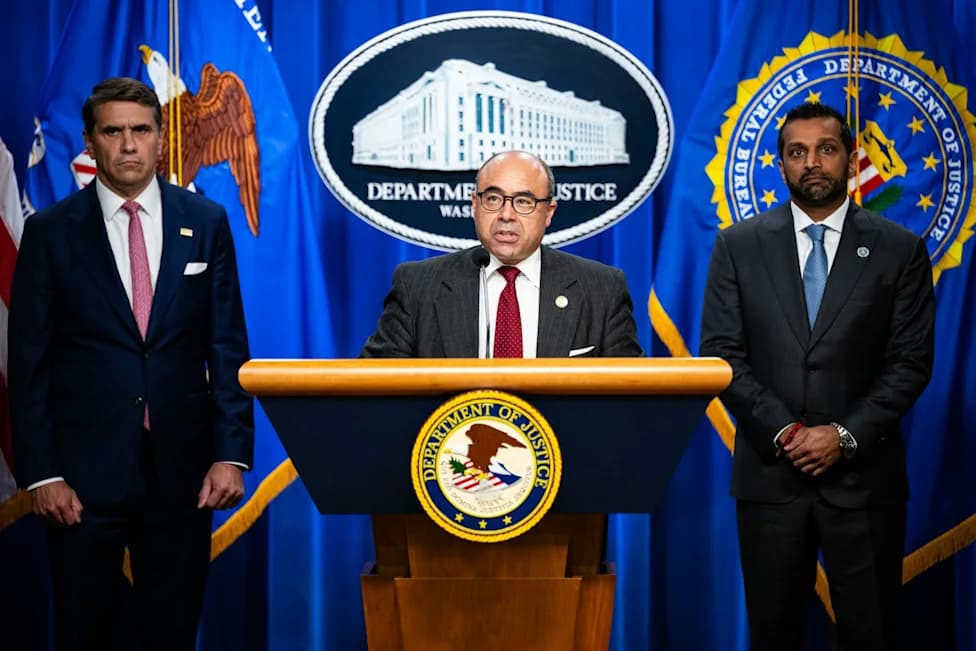
Italy's Deputy Prime Minister Antonio Tajani provoked a national debate after a video of a September 18 speech surfaced showing him favoring a hypothetical bride who wore a "longer skirt" as a more reliable choice and a "good mother" who would ensure "stability for the home and family." The clip, published online on September 24, drew sharp criticism from female politicians, the Catholic hierarchy and commentators who called the remarks sexist and out of step with modern public discourse.
What He Said
In the recorded remarks, Tajani, 73, contrasted two imagined brides — one "charming" and flashy, the other "serious" and wearing a longer skirt — suggesting the latter would be the safer pick for raising a stable family. He added, "The showier one might be nice for a day," and compared the choice to opinion-poll style preferences between a flashy woman and "the serious girl with a longer skirt."
Simona Flavia Malpezzi/Instagram
Political and Public Reaction
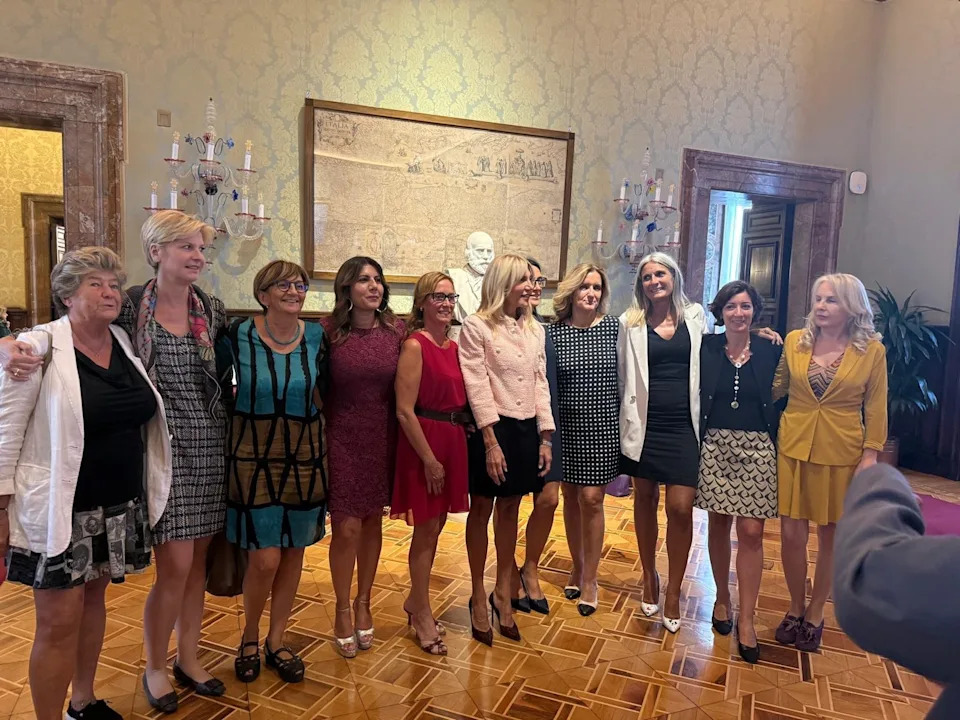
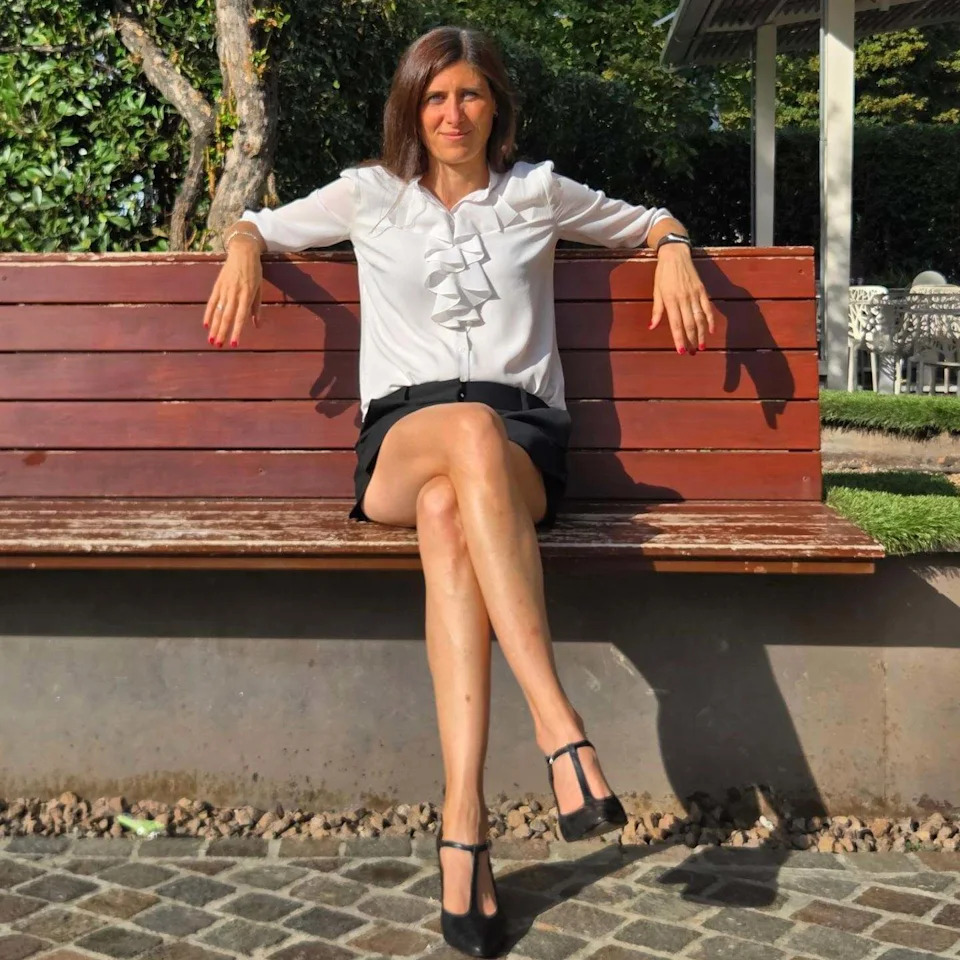
The response was immediate. Senator Simona Flavia Malpezzi posted an Instagram photo on September 22 showing herself and nine other female senators posing together in miniskirts as a deliberate rebuke. Turin Mayor Chiara Appendino joined the protest, posting her own photo and asking directly, "Tajani, am I not a 'reliable' woman? Am I not a 'good mother?'" She criticized his attempt to measure a woman's worth "in centimeters of fabric."
"Tajani, am I not a 'reliable' woman? Am I not a 'good mother?'" — Chiara Appendino, Turin Mayor
Even the leadership of the Italian Catholic Church offered a mild rebuke. Giuseppe Baturi, head of the Italian Bishops Conference, said, "Every word and every gaze directed at a woman must be filled with respect and admiration," urging respectful public discourse and warning against superficial judgments based on appearance.
Chiara Appendino/Instagram
"Every word and every gaze directed at a woman must be filled with respect and admiration." — Giuseppe Baturi, Italian Bishops Conference
Tajani's Response and Wider Implications
While attending the United Nations General Assembly in New York, Tajani sought to downplay the controversy. He said his comments were misunderstood and insisted he never intended to offend women, telling reporters, "I have never done so in my life, neither in private nor in my public life."
The episode has reignited debate in Italy about gender stereotypes, public standards for senior officials, and how women's roles and appearances are discussed by political leaders. Female politicians used social media imagery and public questioning to challenge an established figure's assumptions and to draw attention to the persistence of superficial judgments in public life.
The exchange underscores how quickly private remarks — when captured and shared — can shape public conversation, and how modern political discourse increasingly demands that leaders address questions of respect and equality in visible, concrete ways.
Help us improve.