The International Joint Commission study suggests temporary inflatable dams on St. Mary Lake and Lower St. Mary Lake to store about 5.4 billion gallons of runoff for release in dry months, aiming to help U.S. and Canadian farmers. Tribal representatives and conservationists warn the structures could harm aquatic ecosystems, cultural resources and the park's scenic character, and may be vulnerable to wildlife. The National Park Service says it was not consulted and has no plans to build dams; the proposal is currently only a study recommendation amid growing climate-driven water pressures.
Inflatable Dam Proposal in Glacier National Park Stirs Tribal and Conservation Opposition
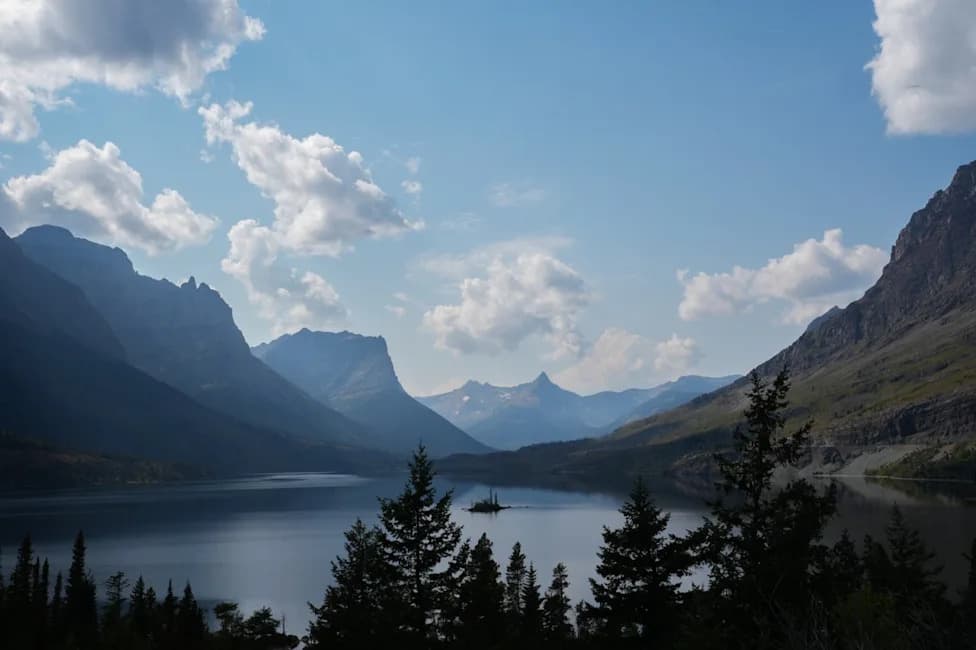
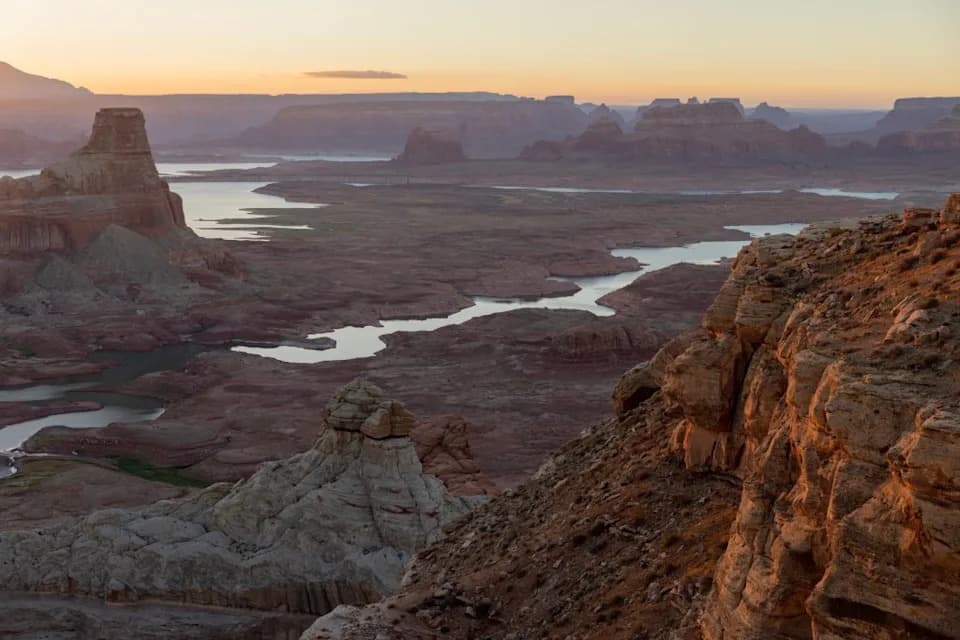
Inflatable dam that would block picturesque views in Glacier National Park floated as solution to area’s water shortage
A controversial proposal to deploy temporary inflatable dams on lakes in Montana's Glacier National Park has been offered as a way to buffer seasonal water shortages for downstream farmers in the U.S. and Canada. The recommendation, part of a recent binational study, has prompted strong objections from tribal leaders, conservation groups and park officials who warn of ecological, cultural and aesthetic risks.
What the Study Recommends
The International St. Mary and Milk Rivers Study Board of the International Joint Commission published a report this summer that recommends installing inflatable barriers on St. Mary Lake and a second structure on Lower St. Mary Lake. The study estimates the system could store roughly 5.4 billion gallons of runoff, allowing managers to retain high flows and release water later in the dry season to help agricultural users in both countries.
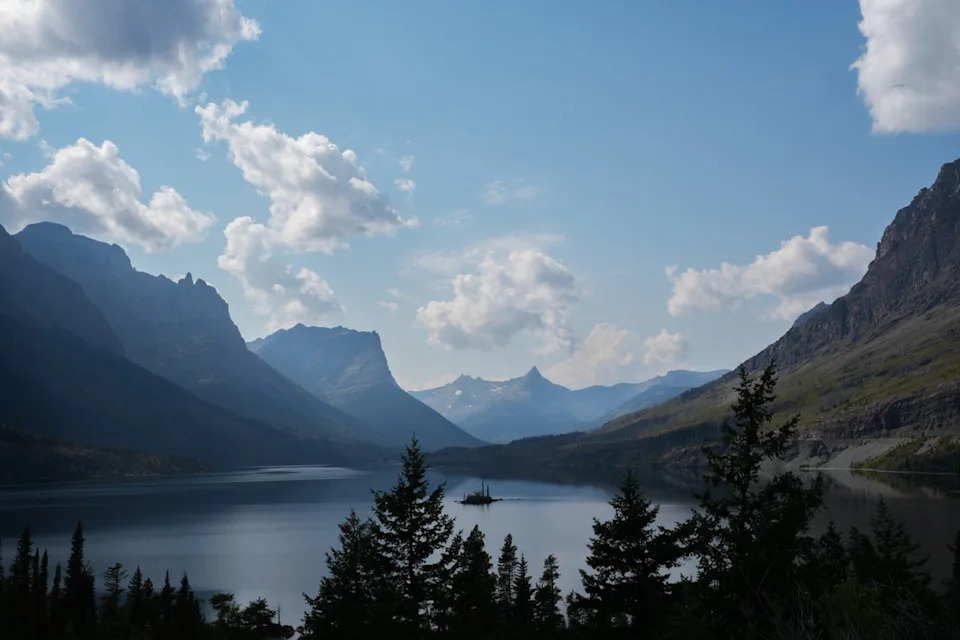
A commission hoping to help solve water shortage issues for farmers in the US and Canada has proposed building temporary, inflatable dams on lakes in Glacier National Park to store water into the summer, but residents of the nearby Blackfeet Nation as well as conservationists aren't on board with the plan (Hannah Ewens)
Tribal, Wildlife and Conservation Concerns
Tyrel Fenner, a hydrologist and citizen of the Blackfeet Nation who has advocated for tribal water needs, warned that conservationists fear the dams could create new problems. He noted the structures could be vulnerable to damage from large wildlife such as elk, moose and bears if not properly protected.
"There would be some major concerns," Fenner said, adding that wildlife could "wreak havoc" on unprotected inflatable structures.
Local conservation groups also emphasize the potential harm to aquatic ecosystems and the park's scenic values. Peter Metcalf, executive director of the Glacier-Two Medicine Alliance, questioned why building new — even temporary — dams inside a national park is being considered and asked: "What does that do to the aesthetics of the park? What does that do to the ecology of the park?"
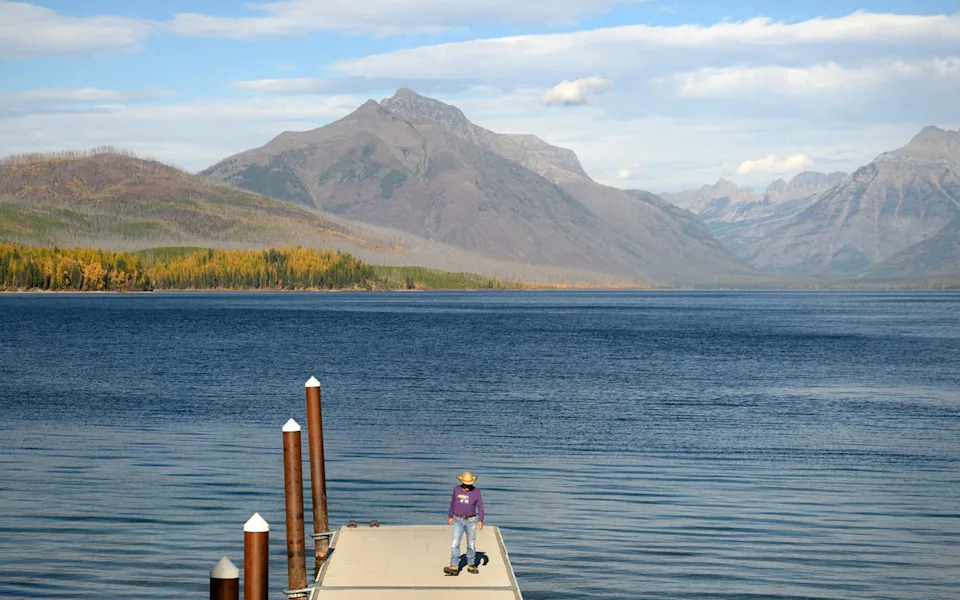
(AFP via Getty Images)
Park Response and Broader Context
A National Park Service spokeswoman, Autumn Sifuentes, said Glacier National Park was not consulted during the development of the plan and that the agency has not been approached about constructing dams on St. Mary Lake or Lower St. Mary Lake. The St. Mary River originates in Glacier's snowfields, flows through the Blackfeet Nation and then into Alberta, and officials say none of those jurisdictions is currently receiving expected water volumes.
Proponents argue the inflatable-dam concept offers a practical, reversible engineering tool to reduce drought impacts for irrigators during increasingly dry summers. Critics counter that engineered fixes in a protected landscape could produce unintended ecological and cultural consequences.
With warmer temperatures, declining snowpack and more frequent severe droughts tied to human-driven climate change, the region faces mounting water-security challenges. For now, the dam proposal remains a recommendation in a study rather than an approved project, and stakeholders — including tribes, conservationists and federal agencies — are likely to debate trade-offs as regional water planning continues.
Help us improve.