Research in Nature Reviews Biodiversity shows insects support vertebrates in ways beyond food—providing shelter, sanitation, protection and vital nutrient cycling. The review documents many interactions across birds, mammals, reptiles and amphibians, from chimpanzees using insects for wound care to bats roosting in termite mounds. Authors warn that land‑use change makes broad disruption of insect communities likely and call for prioritizing insect conservation to protect broader biodiversity and ecosystem functions.
Insects Are More Than Food: New Review Shows They Shelter, Clean and Protect Vertebrates
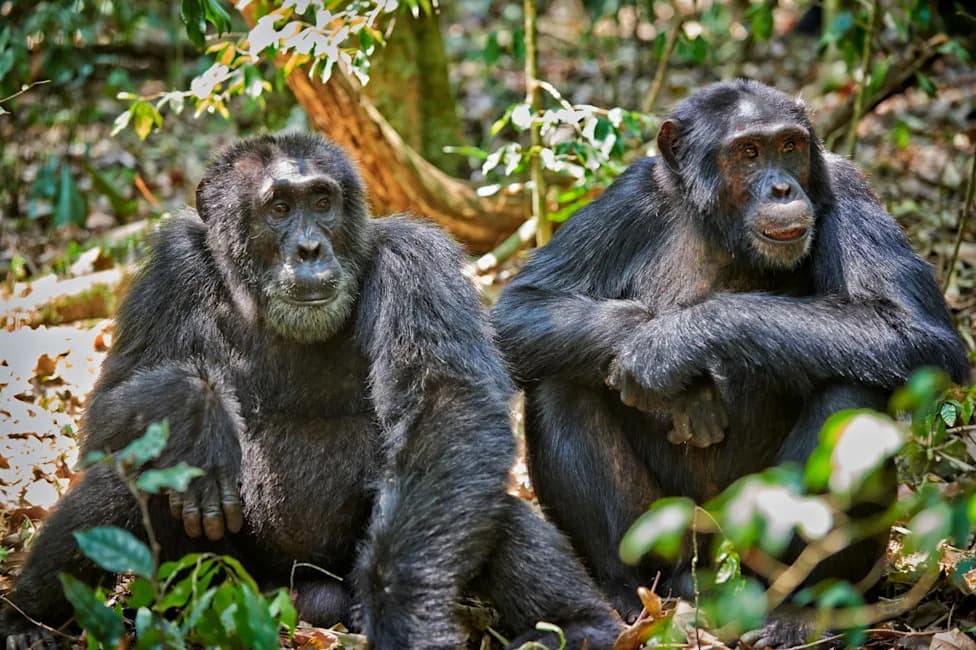
Chimpanzees have been observed applying insects to treat their open wounds.Photograph: Juergen Ritterbach/Alamy
New research published in Nature Reviews Biodiversity highlights that insects support vertebrates in many ways beyond serving as prey. While nearly three-quarters of terrestrial and freshwater vertebrates eat invertebrates—with insects often forming a large portion of those diets—the review documents numerous non‑trophic roles insects play, from providing shelter and sanitation to offering protection and helping cycle nutrients.
Less-Obvious Services Insects Provide
The paper, led by Eliza Grames of Binghamton University (SUNY), catalogs interactions across birds, bats, reptiles, amphibians and mammals. Examples include:
- Health and hygiene: Chimpanzees have been observed applying insects to treat open wounds; more than 200 bird species use ants to remove parasites or condition feathers.
- Protection: Some birds build nests near wasps or other stinging insects to deter predators.
- Shelter: Termite mounds and ant nests create stable microhabitats used by birds, reptiles and mammals. For example, white‑throated round‑eared bats excavate roost cavities in termite mounds.
- Sanitation: Dung beetles break down animal waste, reducing parasite survival by aerating and drying dung; certain moth species living in bird nests consume feces, feathers and debris.
- Mutualisms and nutrient cycling: Sloths depend on moths that deposit nitrogen in their fur, fostering algal growth the sloths eat; in return, sloth behavior completes the moths’ life cycle.
Deep Time and Broad Impacts
The review traces similar relationships far back in time, noting evidence of beetles feeding on feathers in dinosaur nests during the Cretaceous (about 145–66 million years ago). It also highlights insects’ role in the global carbon cycle: roughly 12% of forest carbon is stored in leaf litter and dead wood, and insects are responsible for decomposing about 30% of that material. Insects also aid forest regeneration by pollinating plants and dispersing seeds, services that become critical where larger seed dispersers have declined.
"We need to pay attention to insects and make their conservation a top priority," the study’s lead author, Eliza Grames, says. Conserving insects, she argues, benefits the many species that rely on them.
Why This Matters For Conservation
Although the extent of insect declines varies by region and habitat, the review warns that land‑use change makes "widespread and considerable disruption" of insect communities likely. Predicting consequences for vertebrates is difficult because systematic study of trophic and non‑trophic interactions is limited—hampered in part by a decline in natural history research.
Co‑author Chris Elphick of the University of Connecticut emphasizes that protecting vertebrates requires explicitly protecting insects: conservation strategies that ignore insects risk losing the many indirect services they provide to larger animals and to ecosystem functioning as a whole.
Help us improve.