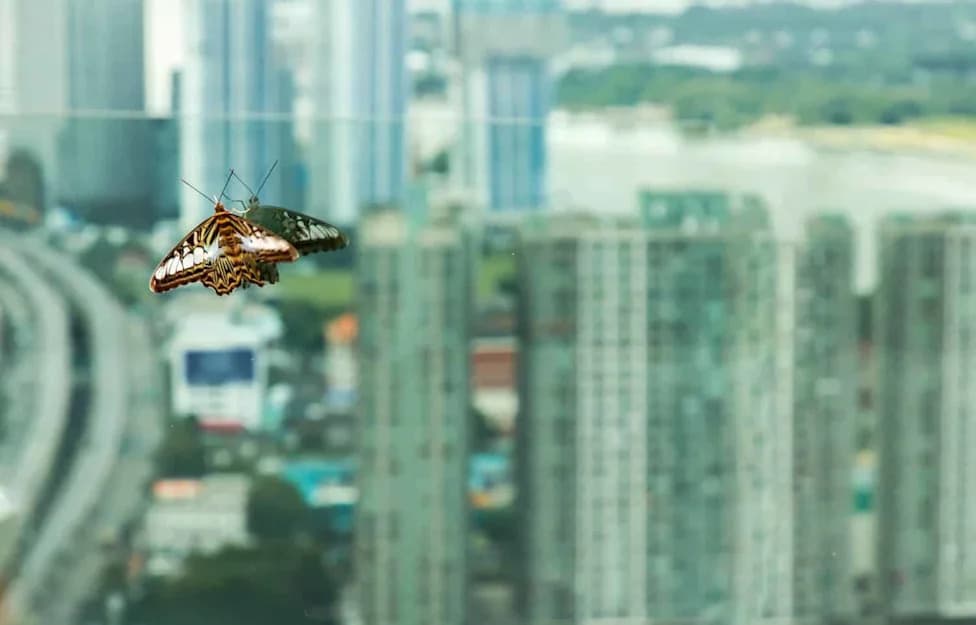
Researchers in Cincinnati, Dayton and Columbus observed ants climbing to planted green roofs, indicating these rooftops can act as genuine habitat for native insects. A University of Dayton study of nine green roofs found ant communities on roofs resembled those at ground level despite harsher rooftop conditions. Observers also recorded butterflies, bees, grasshoppers and nesting waterfowl, highlighting green roofs' potential to boost urban biodiversity when plant choice, irrigation, and habitat connections are well managed.
Ants Climbing Ohio Green Roofs Reveal Surprising Urban Biodiversity
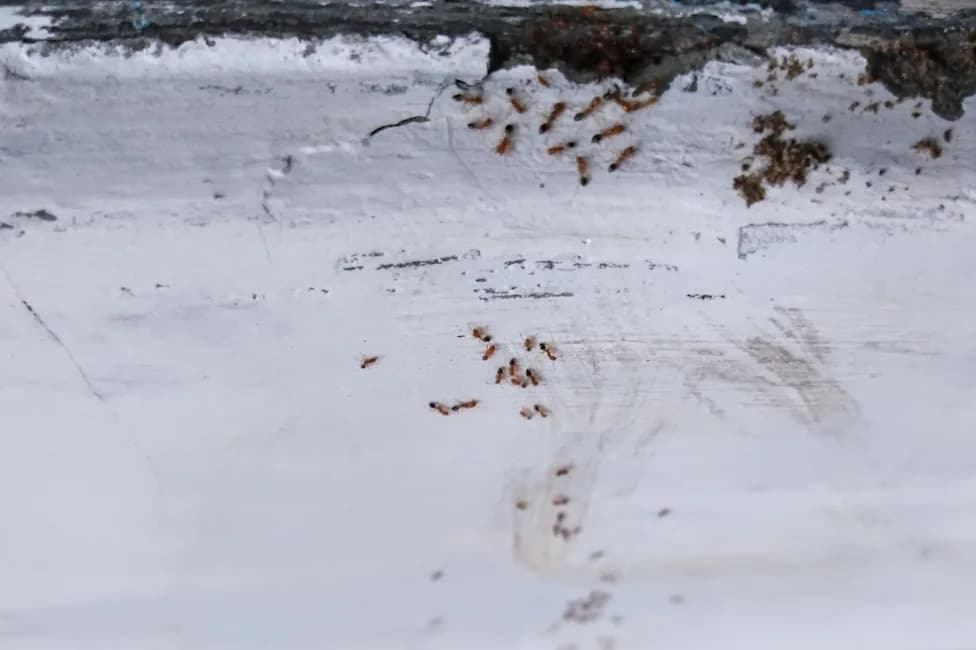
Photo Credit: iStock
What may look like a pest problem — lines of ants streaming up the exterior of an apartment or office building — has provided researchers in Ohio with an encouraging sign about city nature: planted roofs can function as real habitat. Scientists working in Cincinnati, Dayton and Columbus found ants climbing multiple stories to forage on green roofs, a pattern that suggests these rooftop gardens can support native insects and other wildlife.
The study, led by Chelse Prather, an associate professor of biology at the University of Dayton, examined ant use of nine green roofs and nearby ground-level habitats. Reported by WVXU and published in the journal Urban Ecosystems, the project tracked ant abundance, dietary preferences and behavior over several months.
Prather and her team focused on ants because they are common in cities, often include native species, and play important ecological roles as scavengers, seed dispersers and soil engineers. "We know that they're an organism that will live in a lot of different places," Prather told WVXU. "You catch a lot of them going into your house, so we figured that if any organism was using these green roofs, that ants would be a likely candidate."
Instead of finding distinct roof and ground ant communities, researchers found strong resemblance between them. "The key finding is that the ant community was the same on the ground and the roof," Prather said. "That was really surprising because they have very different conditions." Rooftops tend to be hotter, windier and drier unless irrigated — conditions that make them a more challenging habitat than ground-level plantings.
Field observations documented worker ants traveling in organized lines up building exteriors, apparently moving between ground nests and rooftop foraging areas. That behavior could explain why roof and ground communities looked similar: colonies on the ground may be using elevated gardens as feeding sites, connecting habitats vertically within the urban landscape.
Researchers also observed butterflies, bees and grasshoppers using rooftop vegetation, and even ducks and geese nesting on some planted roofs. By adding food and shelter where development has reduced natural areas, green roofs can contribute to urban biodiversity and create corridors that help wildlife move through cities.
"As cities continue to expand, we're always interested in ways to increase biodiversity in cities because they're very different than a lot of natural areas. One way to do this is [through] these green roof sites," Prather said.
However, a planted roof does not automatically become a thriving ecosystem. Plant selection, irrigation, substrate depth and connectivity to nearby habitat all influence whether a rooftop supports diverse native species. Well-designed green roofs with flowering plants and water access are more likely to attract foraging insects and provide meaningful ecological benefits.
Ants can also serve practical roles around planted spaces. High ant activity may indicate soil compaction in urban garden beds, ants tending white larvae in raised beds can reveal pest interactions that growers can manage, and common ant species have even helped researchers detect invasive pests such as spotted lanternflies in orchards. In short, ant behavior can act both as an ecological indicator and a functional component of urban green systems.
The Ohio findings underscore that—even several stories above the street—well-planted and managed rooftops can support native species and enhance urban biodiversity when thoughtfully designed and maintained.
Help us improve.