Five African leaders took part in a ground-breaking ceremony for a $16 billion refinery in Lamu, Kenya, developed by Aliko Dangote. The plant is slated to process 700,000 barrels per day and is expected to be completed in about 40 months. Officials say the refinery will process crude from neighboring producers such as Uganda and South Sudan and aims to advance regional industrialization and value addition.
East Africa Breaks Ground on $16 Billion Lamu Refinery as Leaders Push for Industrialization
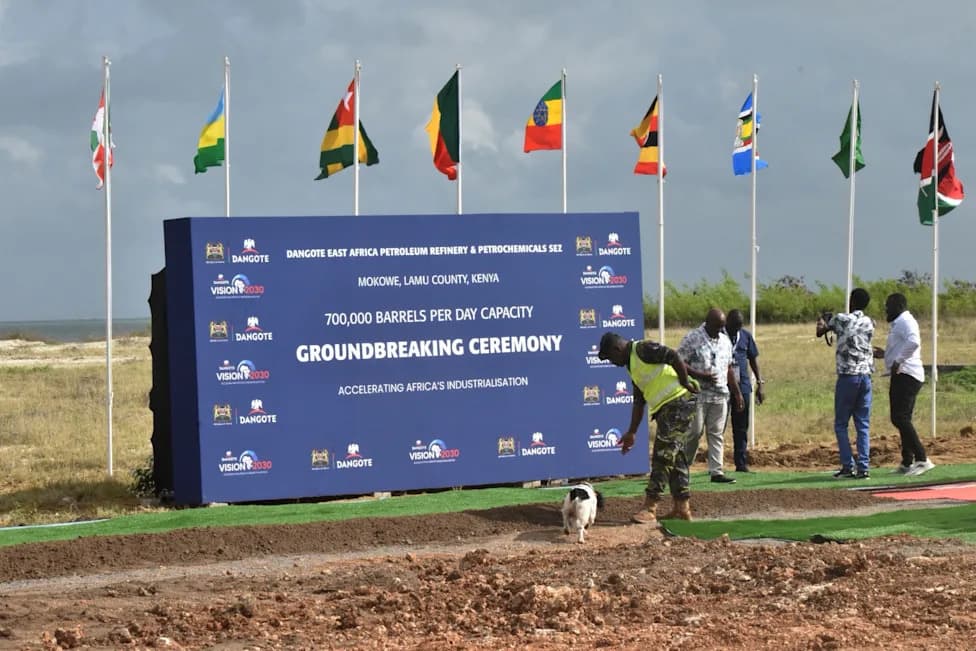
People arrive to a ceremony launching the Dangote East Africa Petroleum Refinery in Lamu County, Kenya, Wednesday, Sept. 30, 2026. (AP Photo/Brian Wachira)(AP Photo/Brian Wachira)
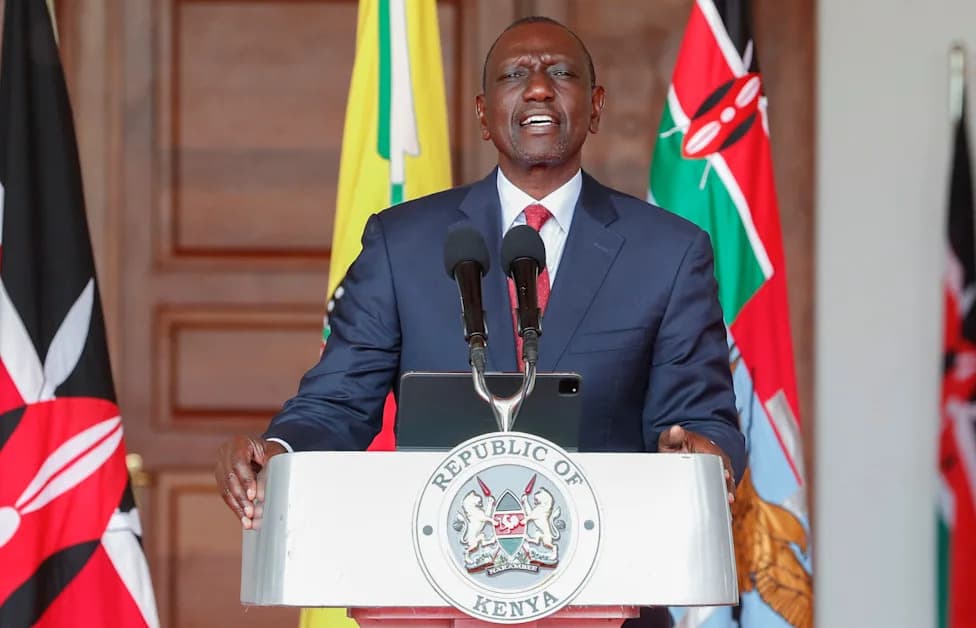
Five African heads of state joined Kenyan President William Ruto and former Nigerian President Olusegun Obasanjo at a ceremonial ground-breaking on Wednesday for a $16 billion oil refinery in Lamu, Kenya. The event underscored a broader push by regional leaders to boost Africa's capacity to add value to its raw materials and reduce dependence on imports.
Project Details and Capacity
Developed by Nigerian businessman Aliko Dangote, the refinery is planned to process 700,000 barrels of crude oil per day and is expected to be completed in about 40 months. Officials say the plant will chiefly refine crude supplied by neighboring producers, including Uganda (which plans to export oil via Tanzania) and South Sudan (which currently ships oil via Sudan).
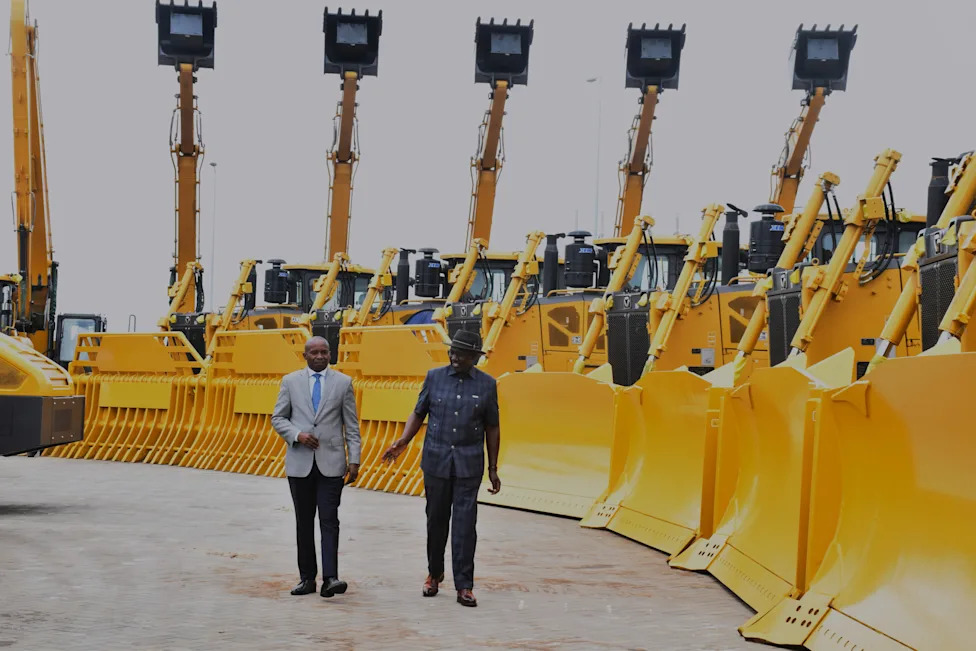
Kenyan President William Ruto, right, and his Deputy President Kithure Kindiki assess some of the equipment at the Port of Lamu ahead of the launch of the Dangote East Africa Petroleum Refinery in Lamu County, Kenya, Wednesday, Sept. 30, 2026. (AP Photo/Brian Wachira)(AP Photo/Brian Wachira)
Why Lamu Was Chosen
Although the project was initially considered for Tanga in Tanzania, Dangote said Lamu was selected because it offers deeper waters, firmer ground to support heavy equipment, and direct deep-sea access—features important for a refinery of this scale.
"Africa must industrialize Africa," Dangote told the gathering, adding that the continent cannot continue "exporting what it has and importing what it needs."
Regional Participation and Significance
Besides the presidents in attendance, delegations from Rwanda, Burundi, South Sudan and Tanzania represented their heads of state at the ceremony. Proponents say the refinery could strengthen regional energy security, create jobs, and support downstream industries by keeping more value on the continent.
Next steps include finalizing financing and construction timelines, securing long-term crude supply agreements with regional producers, and coordinating logistics and environmental assessments before commercial operations begin.
Help us improve.