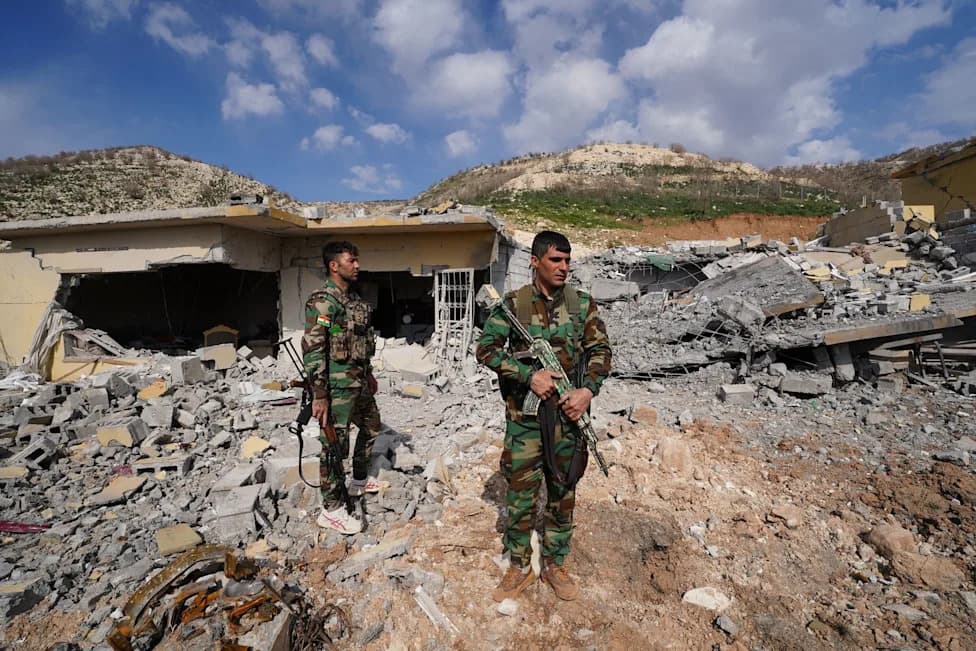
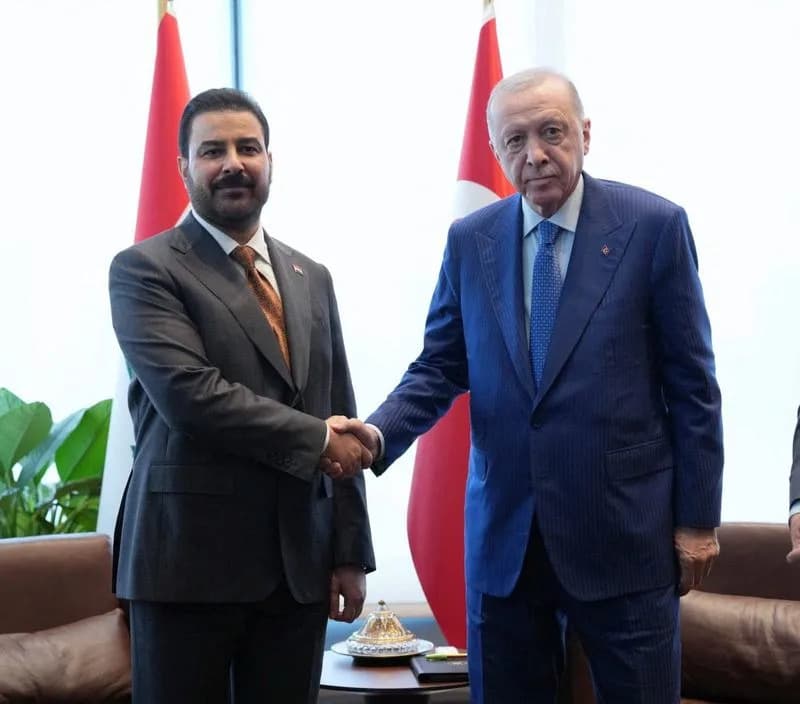
The US-led coalition has formally ended its mission in Iraq, completing a final pullout from the Kurdistan Region after first deploying in 2014 to fight the Islamic State. Iraqi leaders have declared October 1 Sovereignty Day and called for weapons outside state control to be addressed, though a fixed disarmament deadline was removed as talks continue. Tehran-backed militias have resisted disarmament and issued warnings, while residents in Erbil fear security gaps once coalition defenses depart.
US-Led Coalition Concludes Mission in Iraq After More Than a Decade
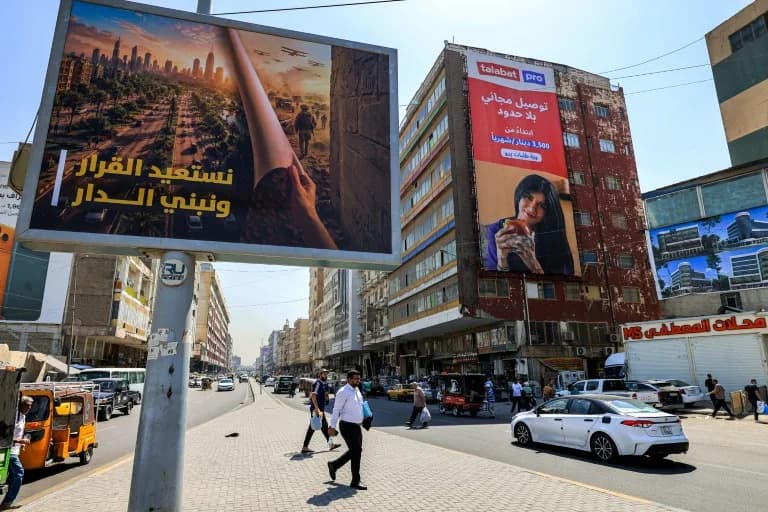
The Iraqi government believes the coalition's withdrawal removes the excuse powerful Tehran-backed militant factions have used to retain their weapons (AHMAD AL-RUBAYE)
The US-led coalition has formally concluded its mission in Iraq after more than a decade, completing a final withdrawal from the autonomous Kurdistan Region this week. While coalition forces helped blunt the Islamic State's advance, their presence also became a persistent source of domestic political tension.
Background
Coalition troops were first deployed to Iraq and Syria in 2014 to counter the Islamic State (IS) after the group seized large territories and committed mass atrocities. IS was driven from Iraqi territory in 2017 and from its last major holdouts in Syria by 2019, but coalition forces remained to target remnants and prevent a resurgence.
In 2024 Baghdad and Washington agreed to wind down the mission. Troops pulled back gradually from bases across Iraq, leaving a limited presence only in the Kurdistan Region; the final withdrawal from that region was scheduled for Wednesday, effectively ending the coalition's long-standing military footprint inside Iraq.
Political Fallout And Disarmament
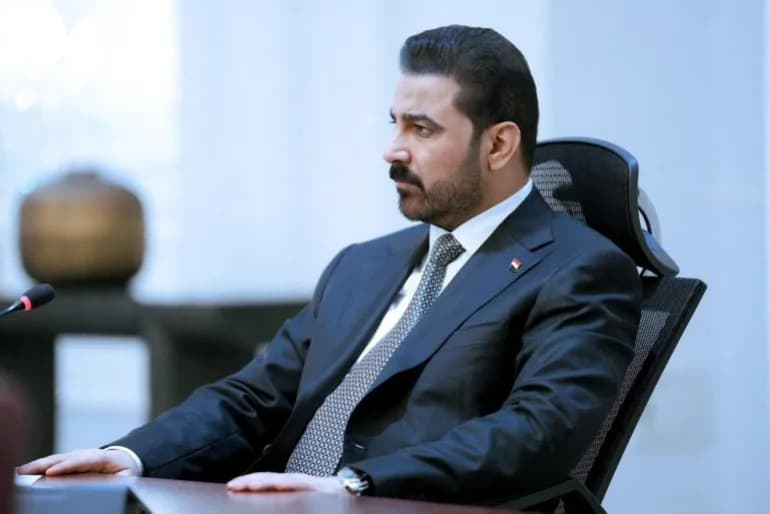
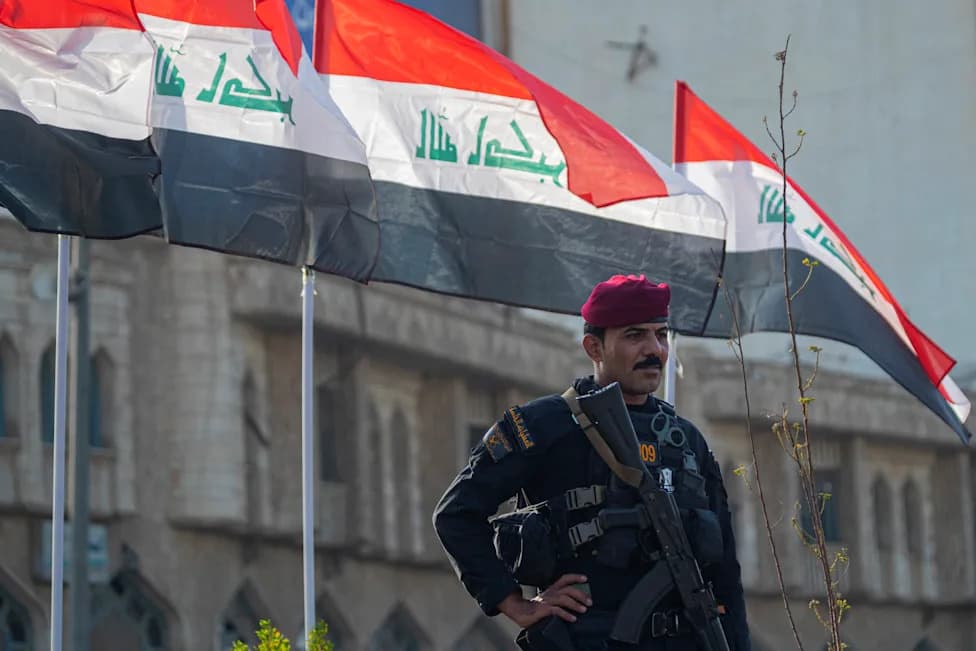
The Iraqi government says the coalition's exit removes a pretext used by powerful Tehran-backed armed factions to retain weapons outside state control. Prime Minister Ali al-Zaidi has declared October 1—the day after the last coalition forces depart—Sovereignty Day, and the heads of the executive, legislative and judicial branches called it "a national occasion that affirms the completion of Iraq's path toward sovereignty and consolidates the presence of the state and its institutions."
“The presence of weapons outside state authority must be addressed... in line with timelines set by the government, in a manner that strengthens state sovereignty,” the statement said.
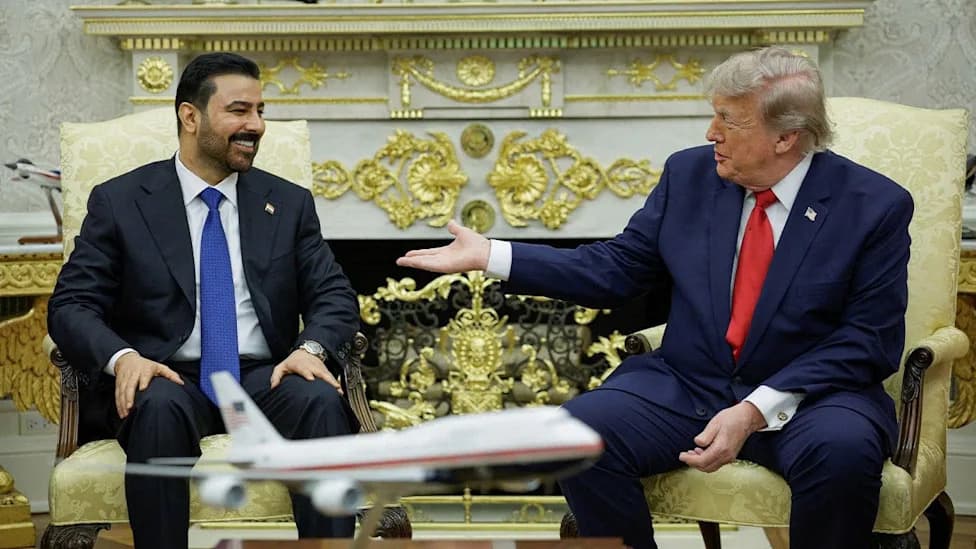
Zaidi, who took office earlier this year with US backing, has pledged to restore the state's monopoly on force and to secure the handover of weapons from armed factions. His government initially set a September 30 deadline for disarmament but later withdrew that fixed date while negotiations continue to "regulate" weapons — a complex issue expected to take much longer to resolve.
Militias, Threats And Local Security Concerns
Several influential groups have resisted disarmament and attached conditions that extend beyond the withdrawal of foreign troops, including demands to curb perceived American political and economic influence. The powerful Kataeb Hezbollah movement welcomed the pullout as "a start towards achieving full sovereignty" but warned the new government: "A government that doesn't work for the good of its people will be brought down by all possible means."
During the campaign against IS, US-led coalition forces and Tehran-backed militias fought a common enemy. After IS's territorial defeat, the coalition's continued presence became a flashpoint: some militias targeted coalition personnel with drones and missiles, prompting US retaliatory strikes that over the years killed several militia commanders.
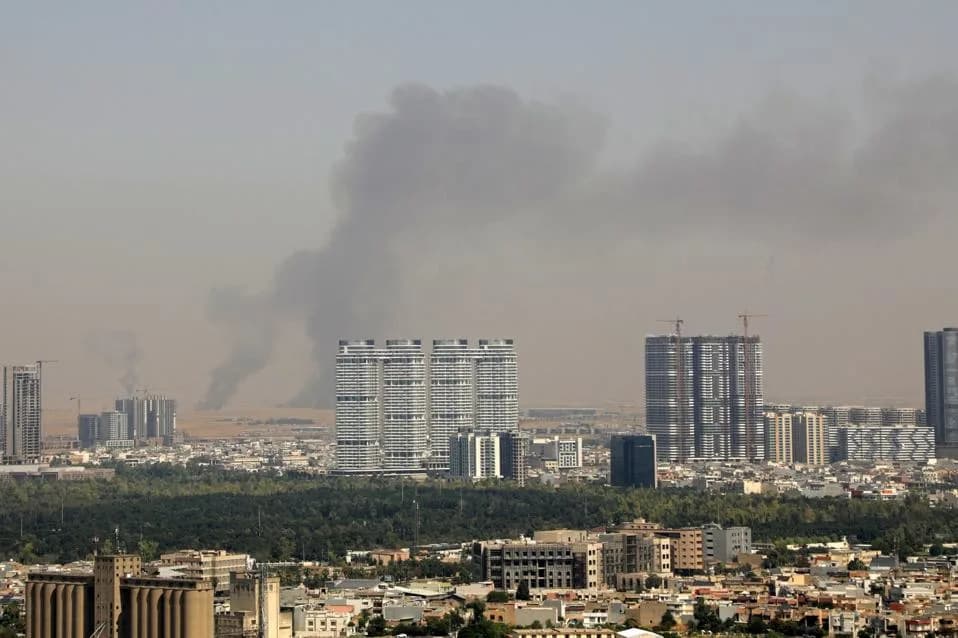
Amid wider regional tensions this year, Iran-aligned groups intensified attacks on coalition forces stationed in the Kurdistan Region. Residents of Erbil, the region's capital, say they are increasingly anxious about who will protect them from drone and missile strikes once coalition interceptors withdraw.
Separately, the coalition completed its withdrawal from Syria earlier this year.
Help us improve.