Pockets of the UK still suffer from poor 4G/5G reception, leaving communities reliant on landlines and Wi‑Fi and at risk during power cuts. In places such as Eskdalemuir, Llandudno and Ely, weak signal is disrupting emergency calls, card payments and business operations. Operators and government point to large investments, the Shared Rural Network and a 2030 5G target, but planning constraints and the limited range of small cells are slowing progress.
From 999 Fears to Failed Card Payments: Inside the UK's Mobile 'Blackspots'
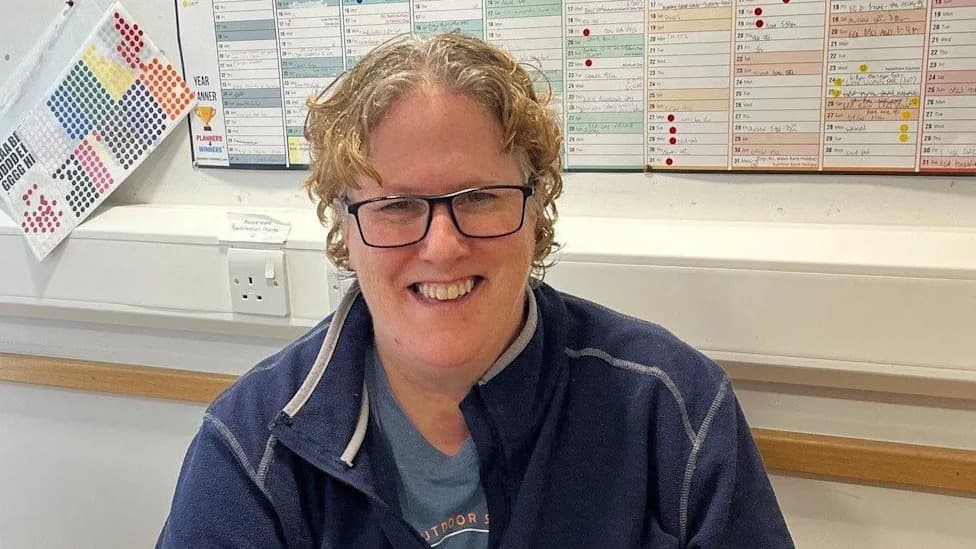
Trudi King-Gunn says mobile phone signal is non-existent in the village of Eskdalemuir [Trudi King-Gunn]
Across the UK, pockets of poor 4G and 5G reception are causing real disruption — from jeopardising emergency calls to blocking everyday card payments. Reporting from communities in Scotland, Wales, Northern Ireland and England shows how residents and traders cope when mobile networks fail.
There have previously been issues when people have tried to call for an ambulance, says Trudi [BBC]
Blackspots and Emergency Risk
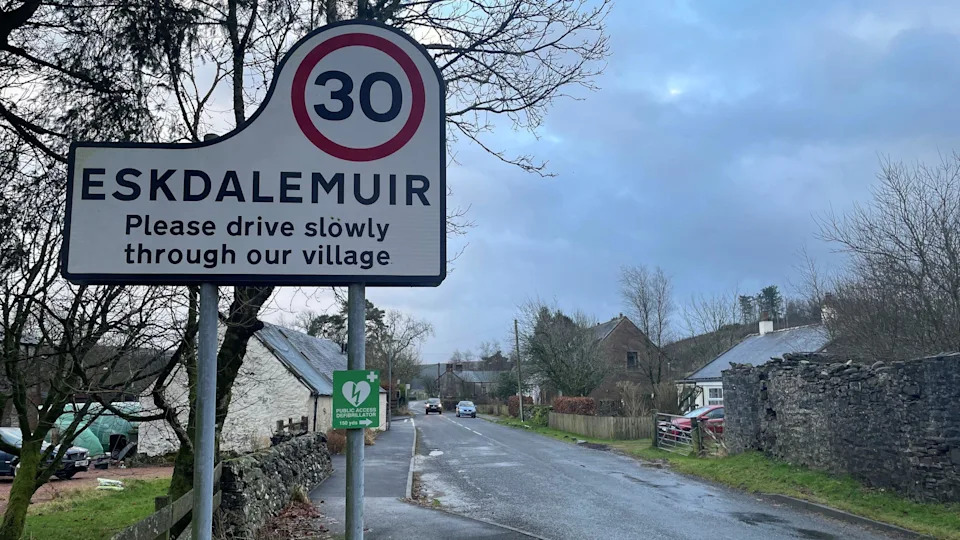
In Eskdalemuir, a remote hamlet in southern Scotland of roughly 250 people, the centre of the village is effectively a mobile "blackspot." Staff at the local community hub depend on landlines and shared Wi‑Fi, but power cuts — which are not uncommon — can render backup systems useless.
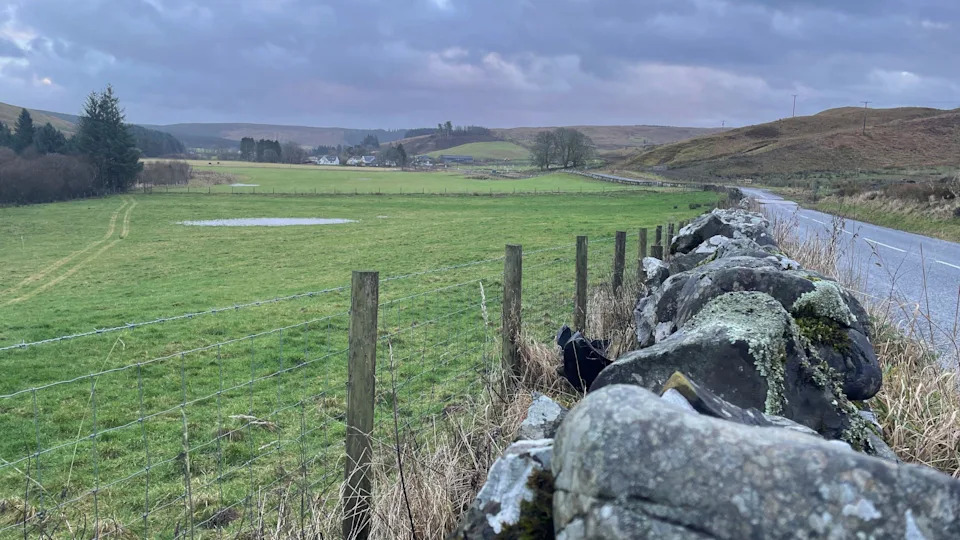
Eskdalemuir is home to about 250 residents [BBC]
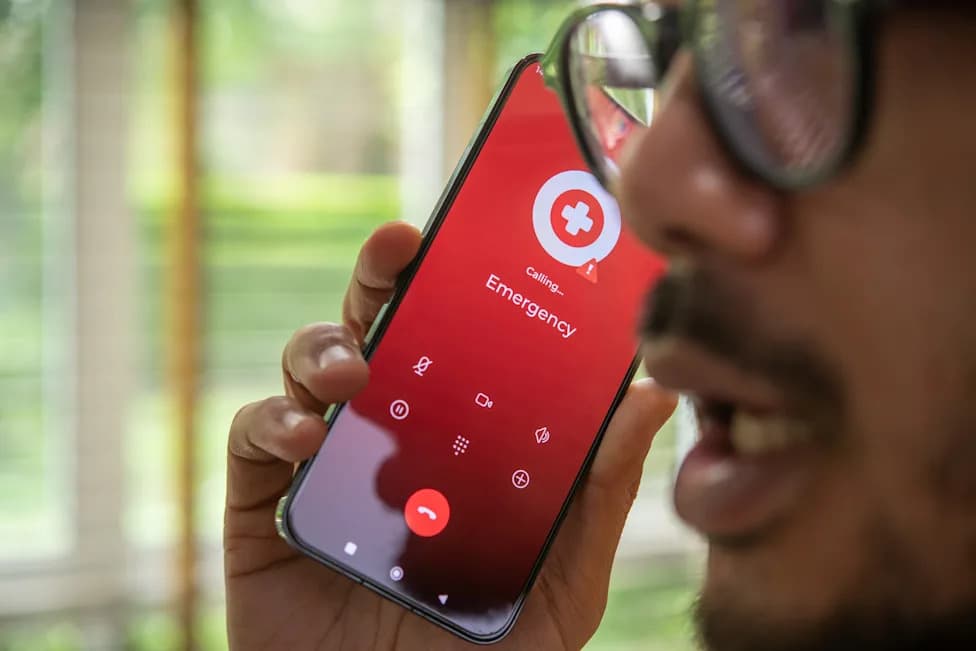
"The concern is when we need to call the emergency services," says Trudi King‑Gunn, who works at the Eskdalemuir Community Hub. Backup batteries kept at the hub typically last only "two or three hours."
Impact on Businesses and Visitors
Tourist towns and market centres also feel the strain. In Llandudno, north Wales, traders say unreliable 5G often prevents card terminals from processing payments, forcing some stalls to accept cash only. On Ely’s city centre market, the absence of masts and the physical presence of Ely Cathedral create a reception "dead zone," costing vendors sales and complicating supplier communication.

Bella says some days she can only take cash payments at her hats and accessories kiosk, due to poor connectivity [BBC]
Why Coverage Still Lags
Several factors limit faster rollout: planning restrictions and local objections over new masts (especially in conservation areas), technical limits of small-cell solutions, and the private-led nature of network deployment. Which? analysis has suggested the UK performs poorly among G7 nations for mobile network quality, and more than a third of surveyed customers report signal problems.
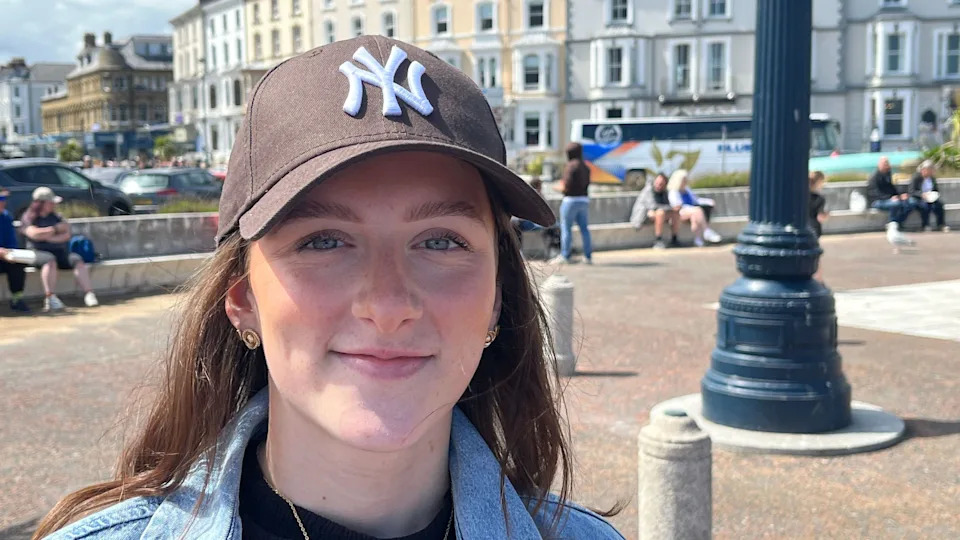
Tilly, who was visiting Llandudno, said she had no bars of signal on her phone at all [BBC]
Small Cells and Lamppost Boosters
Authorities and operators are exploring smaller, less obtrusive solutions such as compact cells on lampposts. These can be less visually intrusive than full masts and cheaper to install, but their range is limited — typically about 150m — and they are intended to supplement, not replace, larger base stations.

Tasnime says it can be difficult to take card payments [Elliot Deady/BBC]
What Operators and Government Say
Ofcom reports that 84% of the UK has good 4G coverage from all mobile network operators (MNOs), while 96% has 4G from at least one provider. Mobile UK says operators are investing billions to improve coverage and urges planning reform to speed deployment. The UK government points to the Shared Rural Network and a goal to deliver 5G to all populated areas by 2030.
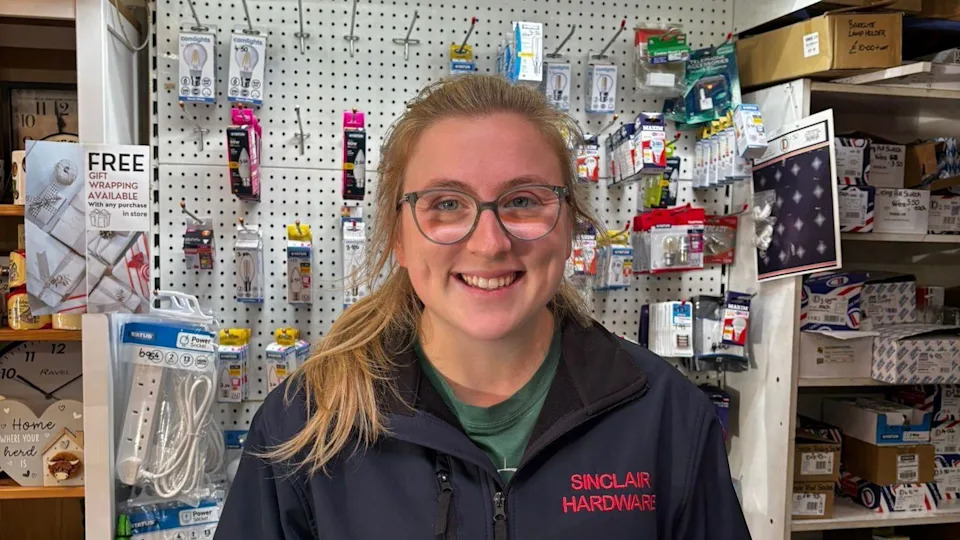
Joanne said staff at her family's hardware store used to have to stand in a specific part of the office to make calls [BBC]
Signs Of Progress — And Remaining Gaps
Some regions show improvement after coordinated action. In parts of County Tyrone, Northern Ireland, recent upgrades have made 4G and 5G "reliable enough" for many users where there were previously complete blackspots, though neighbouring areas can still lag behind.
Bottom line: While headline coverage statistics have improved, localised blackspots continue to disrupt emergency access, commerce and daily life. Solutions exist but can be slowed by planning hurdles, visual concerns and the technical limits of small cells.
Help us improve.