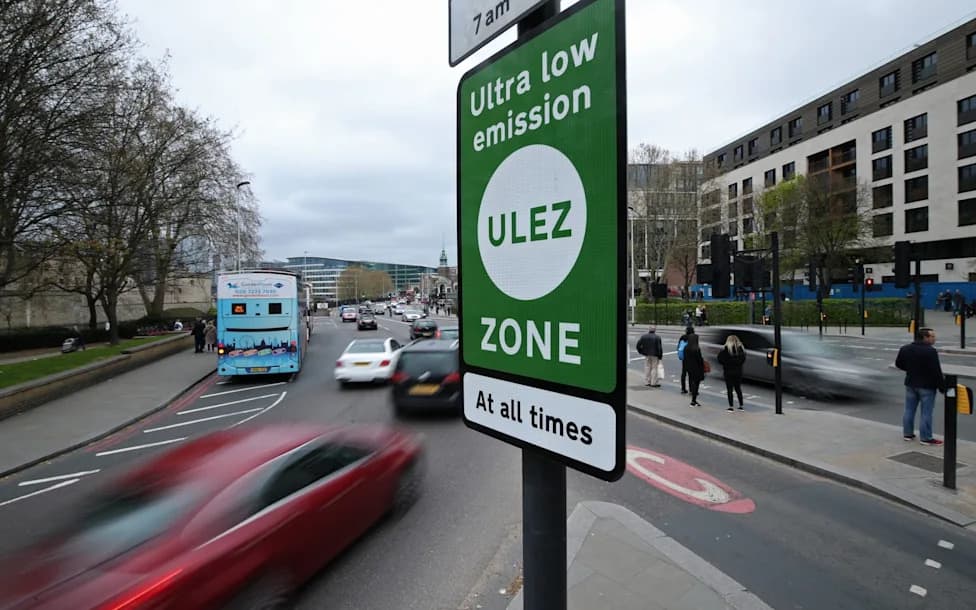
Local authorities across the UK are increasingly introducing 20mph limits on residential streets, citing safety and public-health benefits. Studies and government data show reductions in average speeds in some areas (Bristol: -2.7mph; Wales: reported falls), but compliance is a challenge — the Department for Transport found 76% of drivers exceeded monitored 20mph limits under free-flow conditions. Supporters point to lower crash severity, reduced noise and cleaner air; critics warn of longer journeys, business costs and mixed evidence on blanket rollouts. Experts say the key question is where 20mph works best and call for more long-term evaluation.
Why 20mph Limits Are Spreading Across UK Towns — And Why the Debate Isn’t Over
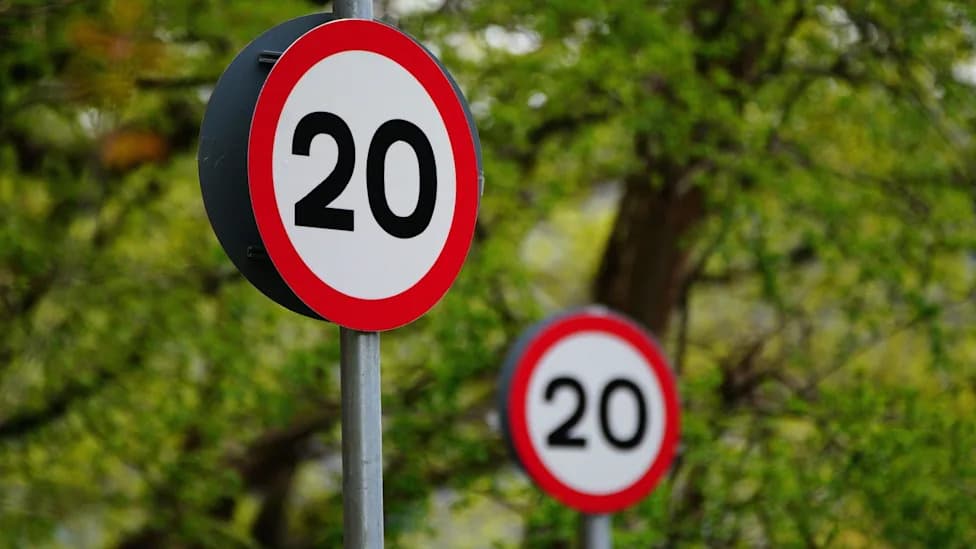
More councils are considering introducing 20mph limits on residential roads [PA Media]
Local authorities across the UK are increasingly introducing 20mph speed limits on residential streets, arguing lower limits save lives and create safer neighbourhoods. The measures have sparked lively debate about safety, journey times, business costs and whether blanket limits are the right approach.

Campaigner Sue Nicholls says 20mph limits can improve safety and public health [20'sPlentyForUs]
Where 20mph Is Being Rolled Out
Wales introduced a default 20mph limit on most restricted roads in September 2023, and Edinburgh became Scotland’s first city to implement a city-wide 20mph network. In England the policy is uneven: more than 30% of urban roads in Great Britain now carry 20mph restrictions, but uptake varies by region — with strong adoption in London and parts of the north-west, and much less in parts of the West Midlands, East Midlands and the South East.
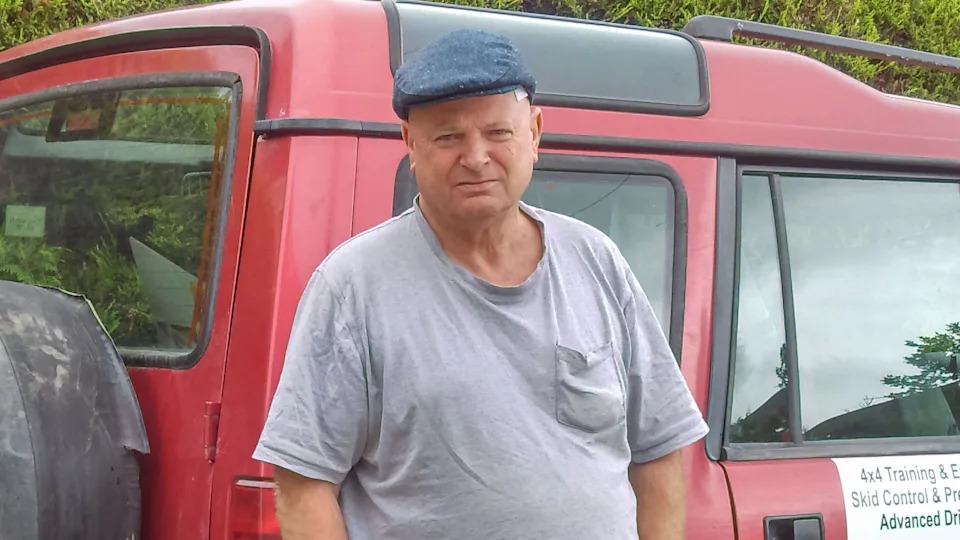
Stuart Walker believes blanket 20mph limits can affect businesses and drivers [Stuart Walker]
Evidence And The Case For Lower Speeds
Supporters point to research showing reduced speeds and potential safety gains. A University of the West of England study found average speeds in Bristol fell by 2.7mph after 20mph limits were introduced, and the Welsh government reported speed reductions across its rollout. Campaigners such as Sue Nicholls, director of the charity 20's Plenty For Us, also highlight public-health benefits including lower traffic noise, improved air quality and safer conditions for walking and cycling.
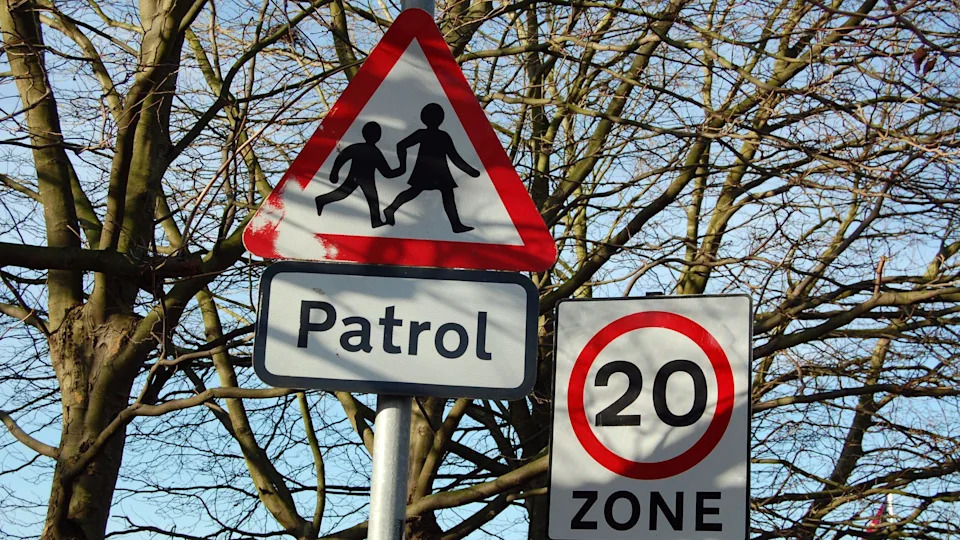
Experts say more evidence is needed on the long-term impact of 20mph limits [BBC]
Professor Panos Georgakis: "A vehicle travelling at 30mph has just over twice the amount of kinetic energy as one travelling at 20mph, so the force that will hit an individual is double. If an accident takes place, the injuries will be much more serious, especially for vulnerable people such as the elderly or young children."
Criticisms, Practical Concerns And Compliance
Opponents argue 20mph limits can lengthen journeys, increase costs for some businesses and frustrate drivers. Driving instructor Stuart Walker, from Wrexham, says some lessons now take longer, costing him an estimated £200 a week in lost earnings. A public petition opposing blanket 20mph rules gathered more than 6,500 signatures.
Department for Transport data published last year also shows compliance challenges: 76% of motorists exceeded the limit on monitored 20mph roads operating under free-flow conditions. Critics say lower limits should be targeted to streets with demonstrable safety risks — for example, outside schools, hospitals and housing estates — rather than applied across every neighbourhood regardless of road function.
Where Next?
Local councils including Birmingham, Coventry and Leicestershire have debated or consulted on wider rollouts, prompting fresh local controversy. Many experts say the debate has shifted from whether 20mph is feasible to where it is most effective. They call for more long-term evaluation of blanket schemes, including impacts on journey times, business costs, emissions and wider public health, so councils can make evidence-based choices.
As more authorities weigh the trade-offs, policymakers must balance evidence of potential safety and public-health benefits against concerns about compliance, journey times and economic impacts.
Help us improve.