U.S. District Judge Dominic Lanza found the Forest Service violated the Endangered Species Act by approving the Pinto Valley mine expansion without fully analyzing how far water impacts would reach. The court said the agency and its contractor, SRK Consulting, defined the action area too narrowly — excluding more than 90% of Pinto Creek. Lanza ordered further briefing on remedies and gave the Sierra Club two weeks to propose next steps.
Federal Judge: Forest Service Failed To Account For Yellow‑Billed Cuckoo Habitat In Pinto Valley Mine Expansion
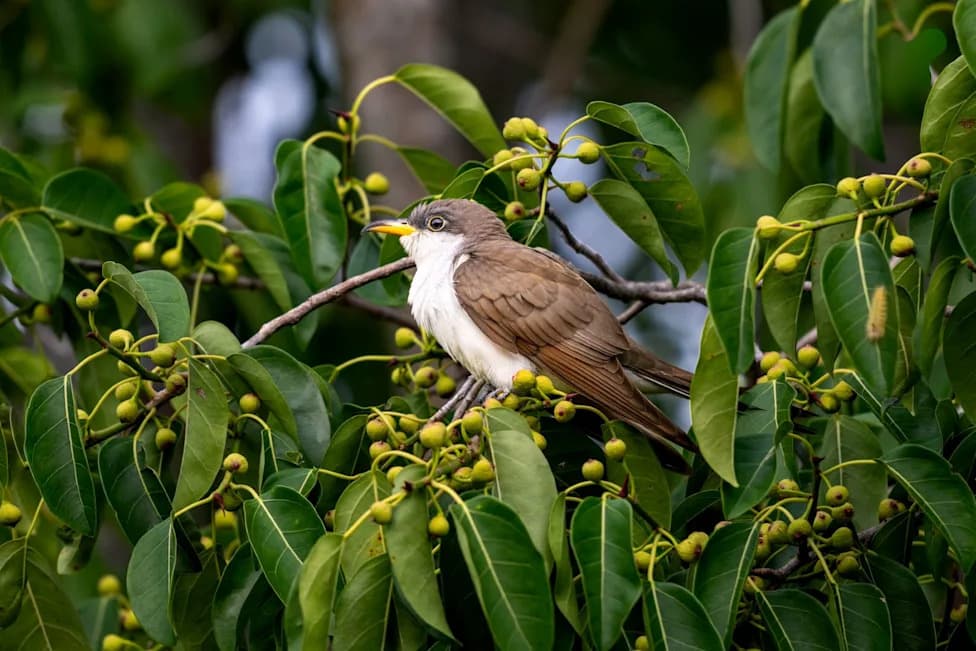
Photo Credit: iStock
A federal judge has ruled that the U.S. Forest Service violated the Endangered Species Act when it approved an expansion of the Pinto Valley copper mine without fully assessing how far the project’s water impacts could extend.
U.S. District Judge Dominic Lanza issued a split decision that granted the Sierra Club a partial victory in its challenge to the planned expansion of the Pinto Valley mine in eastern Arizona. The mine, located in the Tonto National Forest near Miami, Arizona, reportedly uses more than 5 trillion gallons of water each year, a level of withdrawal the court found could reduce subflow to Pinto Creek — habitat used by the endangered yellow‑billed cuckoo.
The Forest Service relied on an analysis by third‑party SRK Consulting that limited the review to areas where the groundwater table was expected to decline by at least five feet. Judge Lanza concluded that this five‑foot threshold was too narrow and left more than 90% of Pinto Creek outside the area the agency treated as likely to be affected.
"The 5‑foot groundwater drawdown contour cannot possibly encompass the full ESA 'action area' given SRK's express acknowledgement that the baseflow effects of the action would extend, at a minimum, to the Magma Weir, which falls outside the 5‑foot drawdown contour." — Judge Dominic Lanza
In his ruling, Lanza ordered additional briefing on potential remedies and gave the Sierra Club two weeks to propose what should happen next. The decision could have broader implications for how federal agencies and their contractors define the geographic scope of actions when evaluating effects on endangered species and sensitive ecosystems.
Why This Matters
This case highlights key issues in environmental review: how action areas are defined under the Endangered Species Act, the role of contractor analyses in federal decisions, and the potential for water‑intensive mining projects to affect riparian habitats that support protected species.
Help us improve.