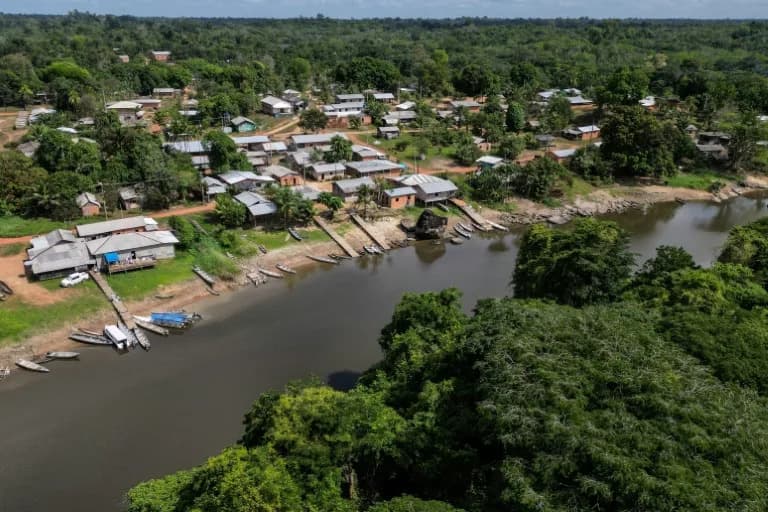
A proposed open‑pit gold mine by Belo Sun in the Volta Grande do Xingu has sparked sustained protests from Indigenous communities, environmental groups and local residents. More than 120 Indigenous demonstrators occupied a federal building in late March, and by mid‑September federal prosecutors asked Brazil’s Supreme Court to suspend the mine’s license. Opponents warn the project could cause irreversible damage to biodiversity, carbon storage, freshwater systems and local livelihoods.
Planned Mega Gold Mine in Brazil’s Volta Grande Do Xingu Sparks Protests and Legal Challenges
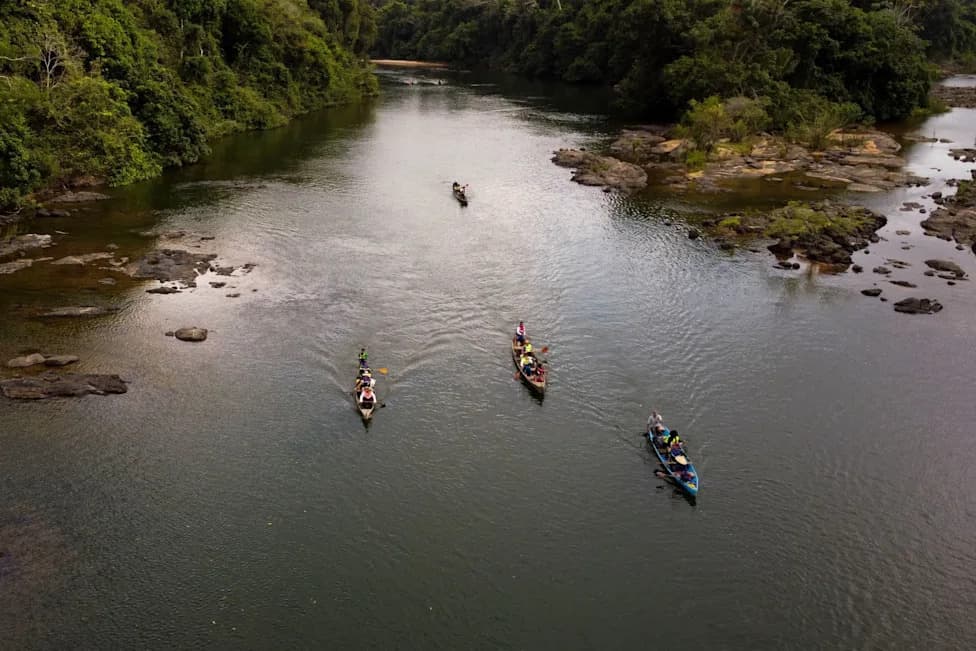
Photo Credit: Getty Images
A proposal to build what Belo Sun — a Canadian mining company — says would be Brazil’s largest open‑pit gold mine has provoked sustained opposition from Indigenous communities, local residents and environmental groups who warn of lasting harm to the Volta Grande do Xingu region of the Amazon.
Local Resistance and National Attention
For months Indigenous Peoples and activists have staged occupations of government buildings and public demonstrations to demand that authorities block the project. In late March, Mongabay reported that more than 120 Indigenous protesters occupied a federal office as part of those actions. The campaign has attracted international attention: actor Leonardo DiCaprio used his social media platform, in partnership with the Alliance for the Volta Grande do Xingu, to amplify calls for the project to be stopped.
Legal Developments
By mid‑September, federal prosecutors had petitioned Brazil’s Supreme Court to suspend Belo Sun’s mining license, according to Amazon Watch. The legal challenge adds to a complex regulatory and political fight that will determine whether the project can proceed.
Potential Environmental and Social Impacts
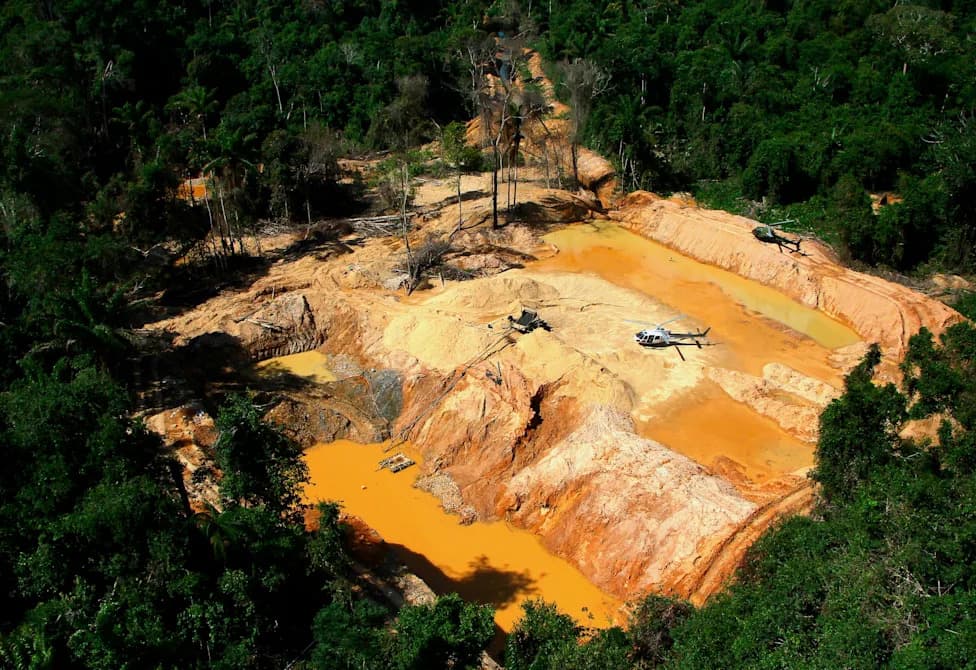
Large open‑pit gold mines transform landscapes on a vast scale. Even before extraction begins, such projects typically require clearing forest, moving massive volumes of earth, building access roads and other infrastructure, and constructing facilities to manage tailings and wastewater. In an ecologically sensitive area like the Amazon, these activities can increase pressure on forests, rivers and the people who depend on them.
Experts and advocates warn the mine could undermine biodiversity, reduce natural carbon storage, contaminate freshwater systems, and inflict long‑term damage on local food systems, health, and cultural practices.
What’s at Stake for Local Communities
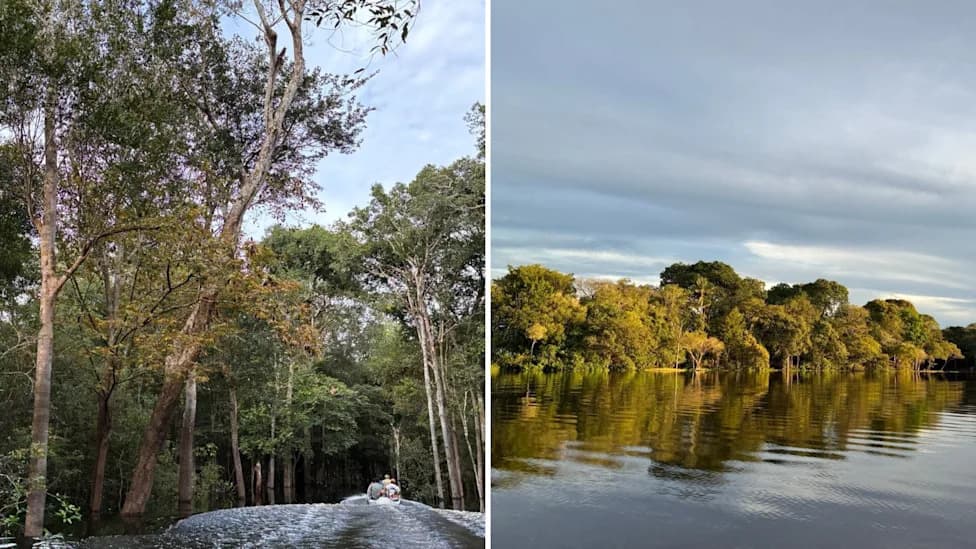
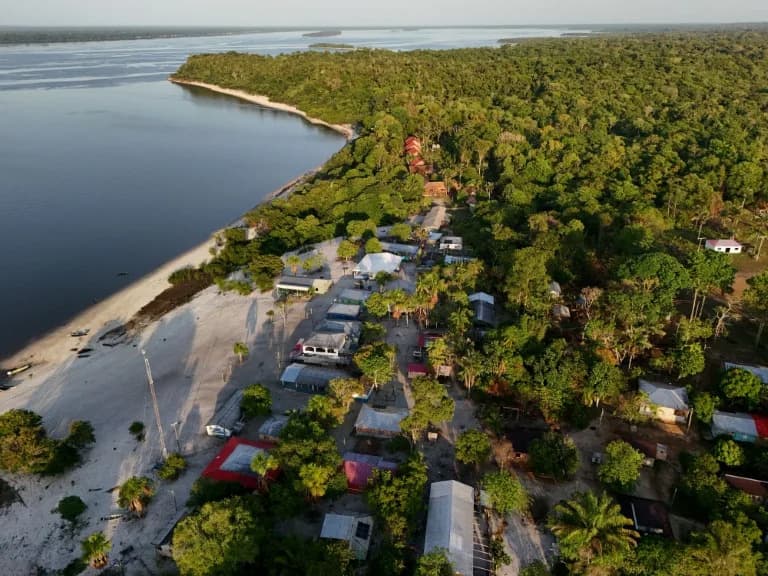
Residents near the Volta Grande do Xingu emphasize that the dispute is not only about a site but about livelihoods, culturally significant landscapes and the right of Indigenous Peoples to determine how their lands are used. Protesters argue the region has been protected by generations of local stewardship and that large‑scale mining would threaten both ecological integrity and community survival.
Broader Context
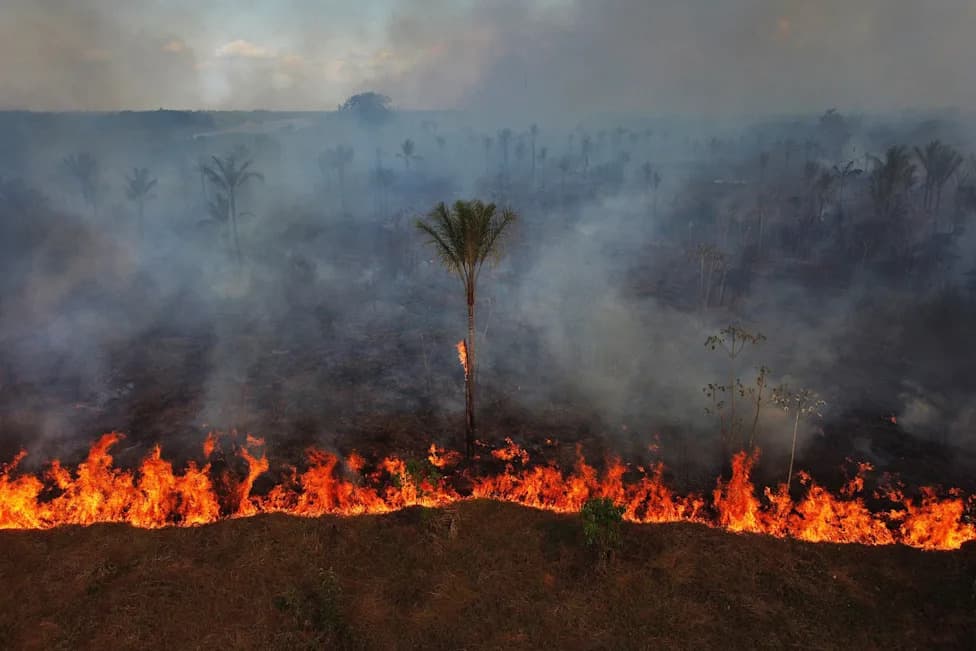
The conflict reflects broader tensions across the Amazon over deforestation, development and the enforcement of environmental protections. Related reporting has examined grassroots forest conservation across the Amazon, federal policy shifts to address deforestation, and contentious infrastructure and mining proposals that have raised alarm both inside and outside Brazil.
Current status: The proposal remains contested in courts and on the ground. Observers say the outcome will have significant implications for regional conservation, Indigenous rights and how Brazil balances development with environmental protection.
Help us improve.