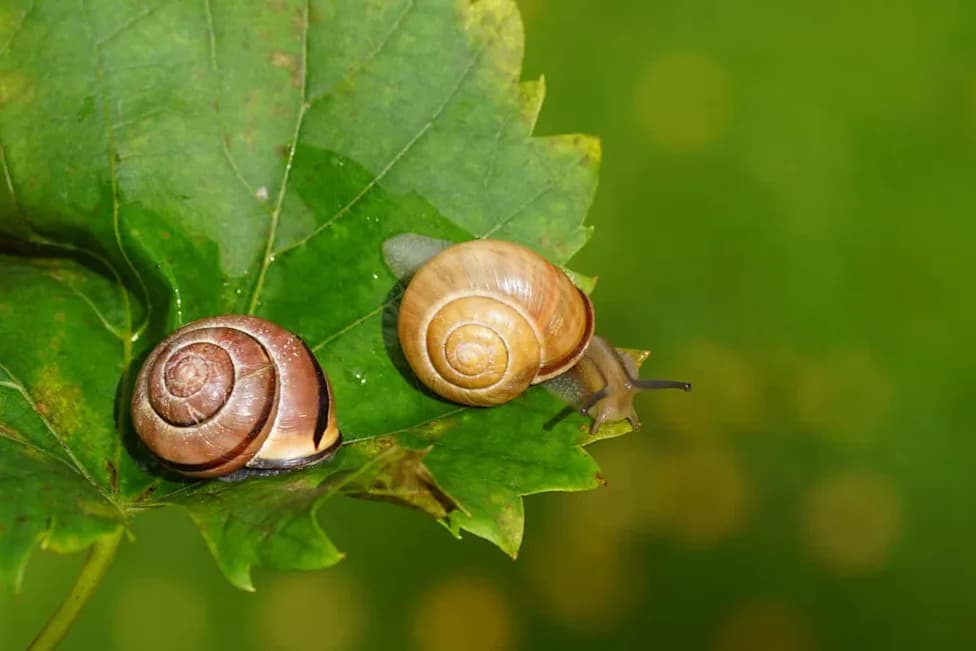
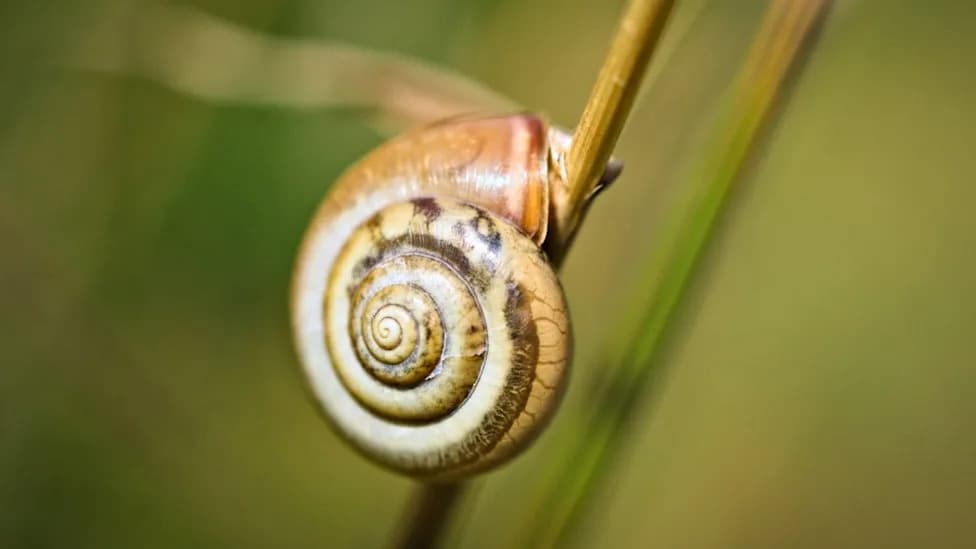
Researchers analysed a Biggenden Banded Snail shell from Coalstoun Lakes National Park and found growth pulses and isotope signals that match two major cyclones (Marcia, 2015; Debbie, 2017). Radiocarbon and stable isotope analyses indicate the snail lived about 4.5 years and recorded short-lived, extreme rainfall events rather than ordinary seasonal wetness. If replicated across many shells and sediment layers, this approach could extend cyclone records beyond the instrumental era and help reconstruct prehistoric storm paths.
Snail Shells Could Map Prehistoric Cyclones — Tiny Natural Archives of Storms
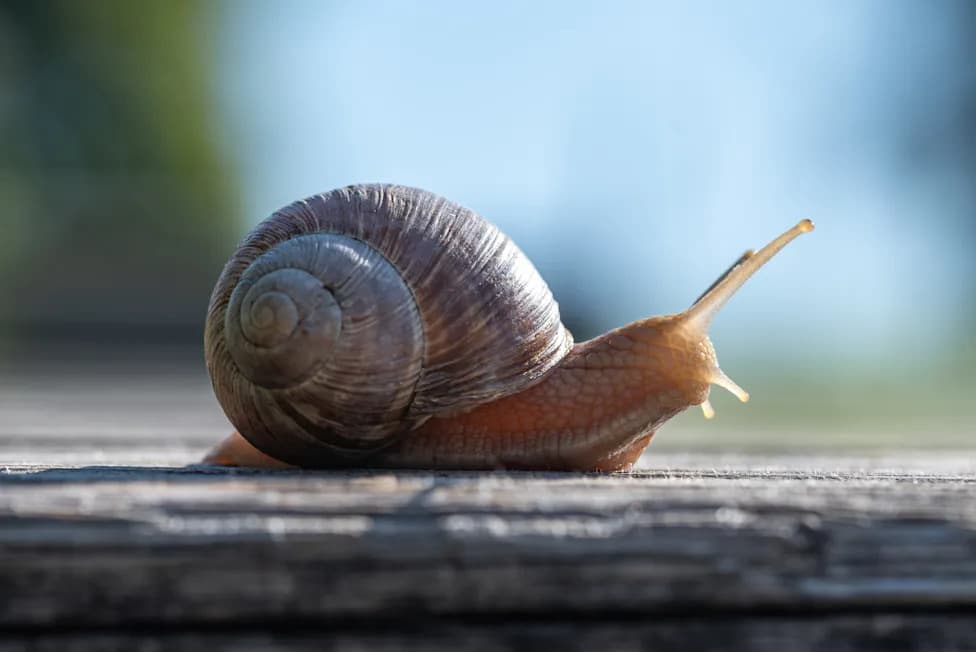
Hard shells that protect land snails from predators, shelter them from sun and rain, and conserve moisture can also serve as natural meteorological archives, a new study suggests. Researchers analysed the shell of a Biggenden Banded Snail (Figuladra bayensis) that died in August 2018 in Coalstoun Lakes National Park, South East Queensland, and found evidence that its growth records preserve the fingerprints of extreme storm events.
Methods and key findings
Using radiocarbon dating together with oxygen and carbon isotope measurements, the team determined the snail had lived about four-and-a-half years. The shell preserved alternating phases of rapid growth and intervals of slow or halted growth. Rather than reflecting only seasonal wetness, these growth pulses and isotope signals corresponded closely to two well-documented cyclones: Severe Tropical Cyclone Marcia (2015) and Tropical Cyclone Debbie (2017).
"The results showed the snail was responding to extreme rainfall events rather than annual wetness," said study author Jamie Shulmeister. "Because we knew when the snail lived, the growth spurts could be linked to periods immediately following cyclones in 2015 and 2017."
When storms saturate the forest floor, snails can ingest abundant surface water. Fast-moving stormwater often has a distinctively light oxygen isotope signature; that signature becomes incorporated into the calcium carbonate layers of the snail's shell, much like how tree rings and speleothems record environmental conditions. The researchers illustrate this relationship with a figure linking shell growth increments to the timing of the two cyclones (Patton et al., The Holocene, 2026).
Implications and caveats
This report is based on a single shell from a single location, so conclusions are necessarily tentative. However, the authors argue that applying the same analyses to shells from other individuals and sediment layers could create a composite archive that extends records of cyclone occurrence and intensity beyond the instrumental era. Matching older shells to specific events will be more challenging and less precise, but aggregating many shell records across sites could help reconstruct long-term patterns in cyclone frequency and pathways.
"It was surprising and quite exciting that the humble snail could be a tool to reconstruct the paths of past cyclones even in prehistoric times," said coauthor Nicholas Patton. "If we're able to find shells within different layers of sediment deposits, we can combine the individual shell records together to extend this information further back in time."
The finding opens a promising new proxy for palaeostorm research, but the authors emphasise the need for more samples across regions and time to validate and calibrate the method. The study and its illustrative figure are credited to Patton et al., The Holocene, 2026.
Help us improve.