Researchers at the University of Queensland found that growth bands in Biggenden Banded Snail shells record cyclone-driven rainfall. High-resolution radiocarbon dating (including the 1960s "bomb peak") and stable isotope analysis linked shell growth spurts to Cyclone Marcia (2015) and Cyclone Debbie (2017). Snails pause growth during droughts and grow rapidly after extreme storms when moisture and food increase. Millimetre-sized fragments preserve these signals, offering potential to extend the record into prehistoric times.
Snail Shells Preserve Cyclone Histories — Tiny Bands Reveal Big Weather Events
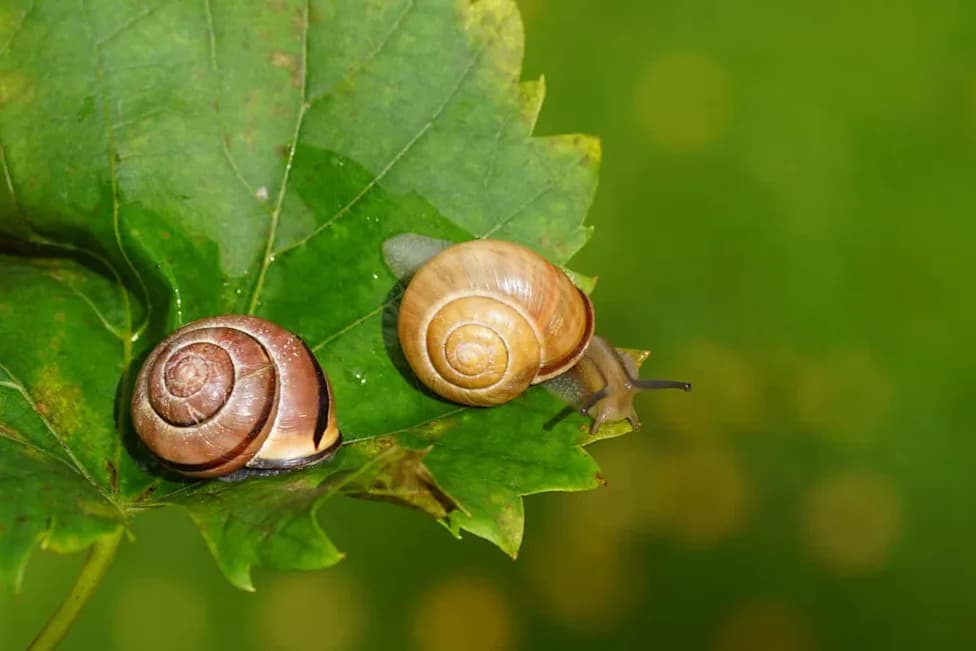
Two different grove snails, brown-lipped snails (Cepaea nemoralis) without and with dark bands. On a grape leaf. Family Helicidae. Dutch garden, autumn, October© Thijs de Graaf/Shutterstock.com
Researchers have discovered that the growth bands in the shells of Biggenden Banded Snails preserve a record of extreme rainfall and cyclone activity, offering a new biological archive for reconstructing past storms.
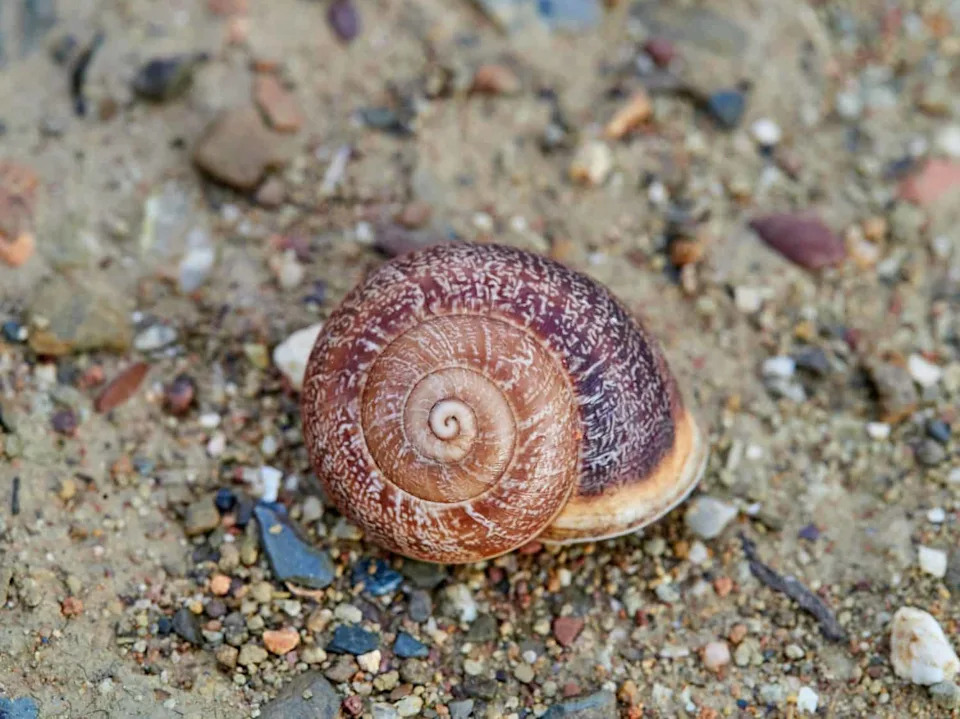
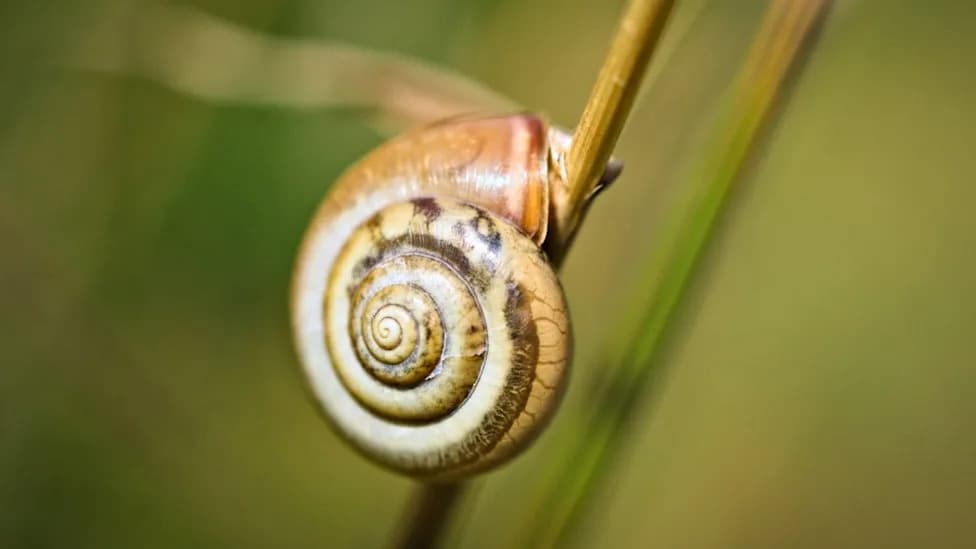
The Biggenden Banded Snail, with a shell similar to this banded snail, carries a weather history in its bands.©Macronatura.es/Shutterstock.com
How Shells Record Weather
A team from the University of Queensland, publishing in The Holocene, examined millimetre-scale shell fragments from Biggenden Banded Snails collected in Coalstoun Lakes National Park, southeast Queensland. Using high-resolution radiocarbon dating and stable oxygen and carbon isotope analysis, the scientists linked distinct growth spurts in the shell bands to episodes of cyclone-driven rainfall.
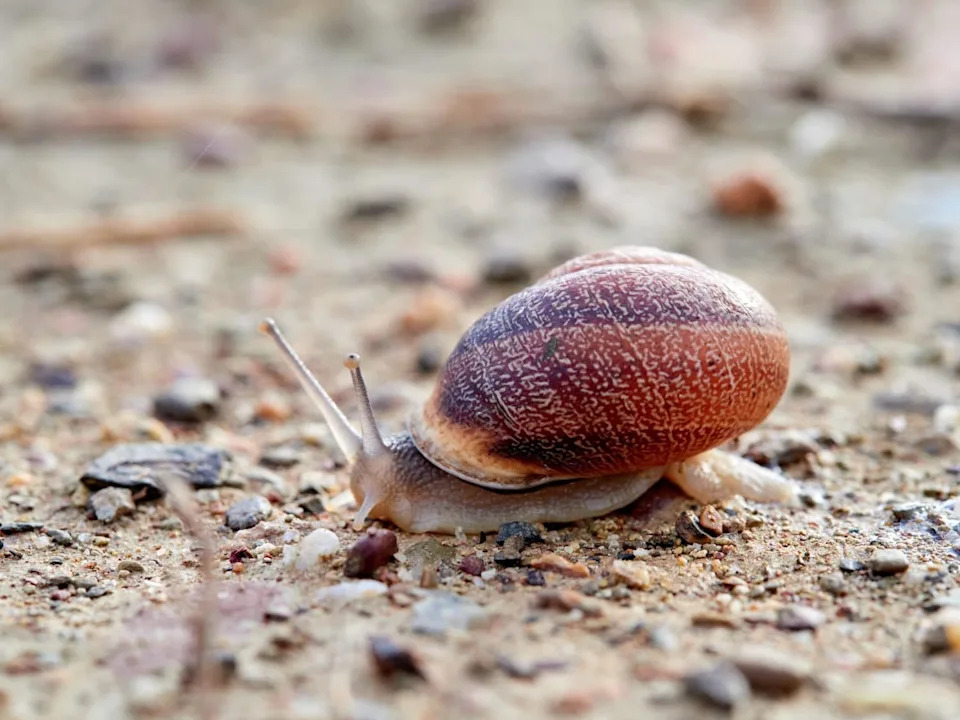
The Biggenden Banded Snail, similar-looking to this snail, was found to record weather patterns in its rings through radiocarbon dating.©Macronatura.es/Shutterstock.com
Dating Tiny Fragments
Even millimetre-sized pieces retained diagnostic signals. Elevated radiocarbon from atmospheric nuclear testing in the 1960s (the "bomb peak") allowed precise dating of growth bands, and stable isotope ratios revealed changes in moisture and rainfall that the snails experienced.
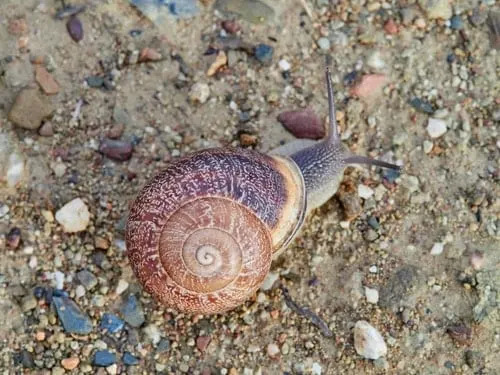
The Biggenden Banded Snail, similar to this snail, experienced significant growth only after cyclone activity.©Macronatura.es/Shutterstock.com
Growth Spurts Tied to Specific Storms
One specimen was dated to about 4.5 years old. According to the authors, this individual lived through Severe Tropical Cyclone Marcia (2015) and Tropical Cyclone Debbie (2017), and its shell shows accelerated growth immediately after those storms. The researchers conclude that these growth spurts reflect extreme rainfall events rather than routine seasonal wetness.
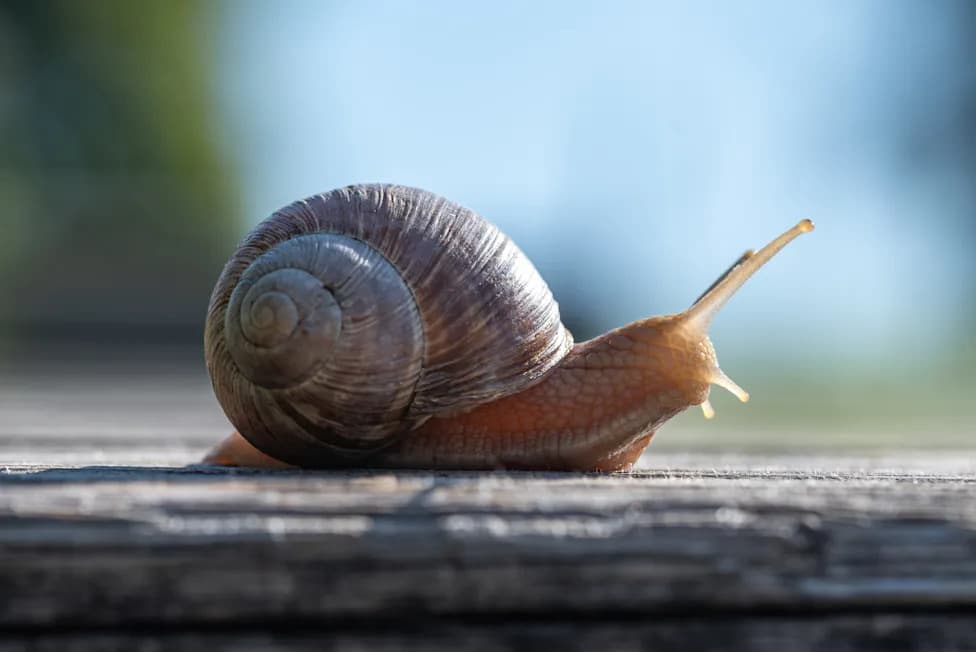
The Biggenden Banded Snail, similar to this snail, can go dormant and not experience shell growth during drought.©Colombe Photographie/Shutterstock.com
Why Snails Grow After Cyclones
Biggenden Banded Snails do not grow steadily year-round. In dry, unfavourable conditions they enter dormancy or greatly reduce activity and shell deposition. Cyclone-related rainfall temporarily boosts soil moisture, plant growth (food and shelter), and humidity, which together raise metabolic activity and enable rapid shell expansion.
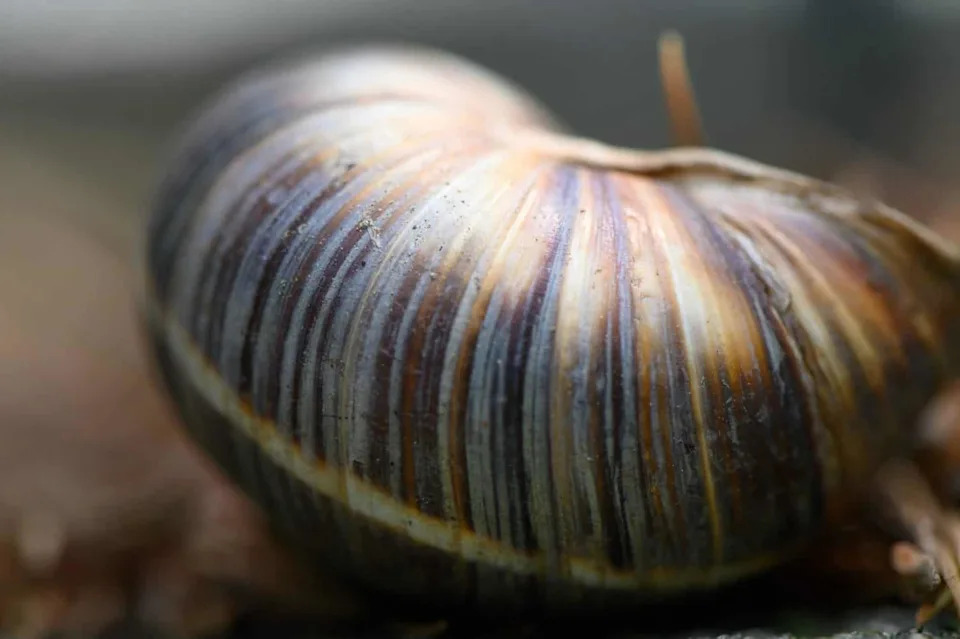
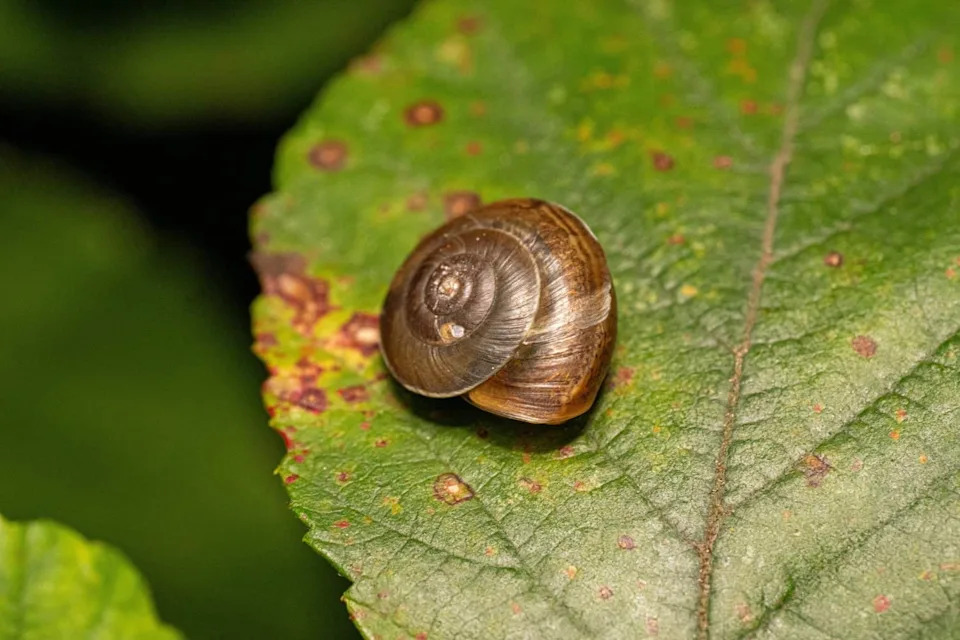
Researchers hope that the Biggenden Banded Snail, similar to this shell, will reveal secrets about what the climate was like during prehistoric times.©Mixa74/Shutterstock.com
- Increased soil moisture following storms
- Greater plant cover providing food and protection
- Higher humidity that speeds metabolism and movement
Implications For Paleoclimate Research
Because tiny shell fragments preserve both radiocarbon and stable isotope signals, researchers are optimistic they can recover older shells from deeper sediment layers. Fossil or subfossil Biggenden Banded Snail shells could extend this proxy record back into prehistoric times, helping to map the frequency and intensity of past cyclones and droughts in regions lacking instrumental weather records.
Bottom line: These small snails offer a surprisingly detailed archive of extreme rainfall events — information that can improve our understanding of how climate extremes have shaped ecosystems over recent centuries and potentially much longer timescales.
Help us improve.