This satirical column enlarges a previous glossary of Left-wing buzzwords, offering new entries such as "Broadest Shoulders," "Fair Share," "International Law," and "Reparations," each illustrated with a tongue-in-cheek example. It covers the controversy around an American priest, Father Flourish Klink, who reportedly uses non-binary pronouns and has suggested provocative theological ideas about God and Jesus. The piece also references a BBC report linking the "bare nails" beauty trend to concerns about cultural erasure, responding with ironic commentary on media-driven debates.
How To Speak Woke — Part Two: A Satirical Glossary And Cultural Roundup
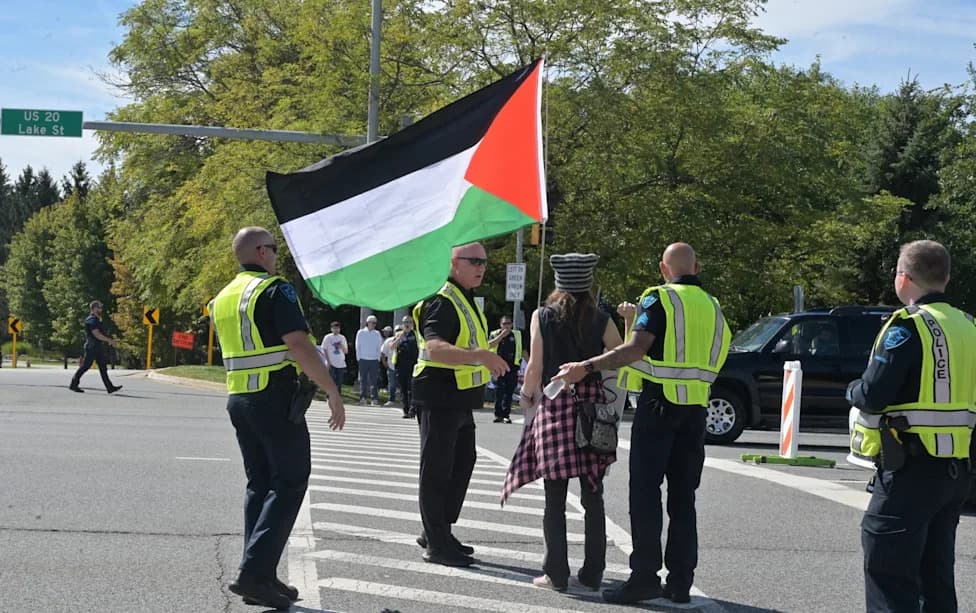
Palestine: Global beacon of equality, women's rights and LGBTQIA+ inclusivity - Jacek Boczarski/Anadolu
This satirical column expands a previously published glossary of contemporary Left-wing buzzwords and offers fresh examples and commentary. The tone is deliberately ironic: entries mimic political rhetoric to highlight how language is used in public debate.
Broadest Shoulders: A phrase used to suggest that people who earn and provide for themselves should bear a larger share of taxation or public burden. Example: "It's only right that those with the broadest shoulders should pay a little bit more to fund electoral bribes to our client voters."
Fair Share: A demand for higher taxes framed as a moral imperative directed at a shrinking group of high earners. Example: "At present, the top 10 per cent of earners contribute a mere 60 per cent of all income tax. Those greedy pigs simply aren't paying their fair share."
International Law: Invoked as an overarching legal standard that critics sometimes present as requiring immediate government concessions to foreign claims. Example: "Our Government must hand vital strategic territory plus vast sums of taxpayers' money to Mauritius, otherwise Britain will be in breach of international law."
Journalist: Used pejoratively by some commentators to imply bias or malicious intent on the part of the press. Satirical example: "The BBC is rigorously impartial in its coverage of the war in Gaza, a conflict between the evil IDF and Hamas's finest fashion editors, arts critics and lifestyle columnists."
Moral Panic: A phrase applied by some to describe topics they believe are being exaggerated or unfairly amplified by opponents. Example: "The Right needs to stop stoking this moral panic about migrant crime, and instead focus on real problems, such as how to make the countryside less racist."
Palestine: Presented in some rhetoric as a global symbol of liberation and progressive social values; the column satirises such idealised portrayals. Example: "When Palestine is finally free, I expect its many Pride groups will celebrate by throwing a rooftop party."
Reparations: Described here in satirical terms as payments sought for historical injustices, framed by critics as unfairly applied to people with no direct connection to the original crimes. Example: "The British public must be made to pay reparations for crimes they didn't commit."
Zionist: A contested political label that, in some discourse, is used pejoratively to accuse supporters of Israel of exclusionary or aggressive positions. The column highlights how loaded that term can be in heated debates.
On Religion, Identity And Public Debate
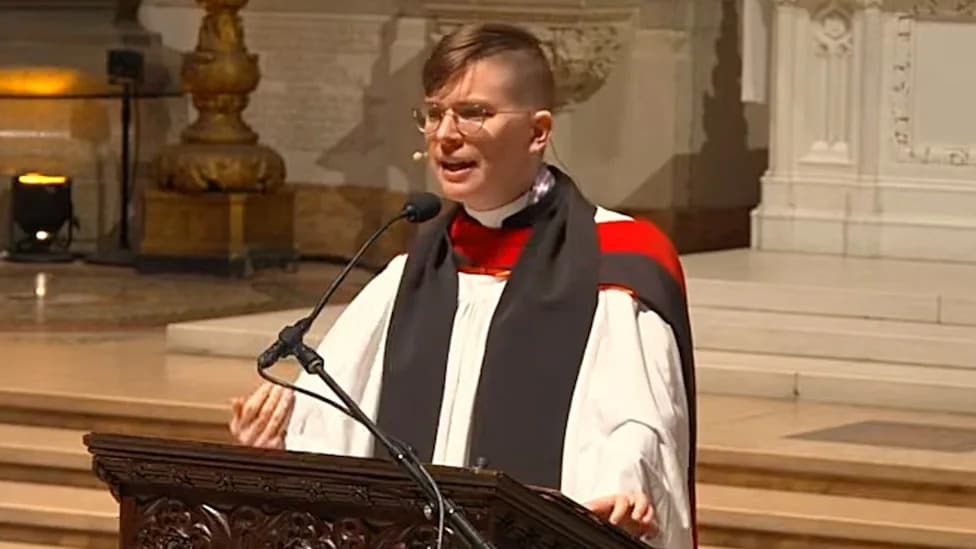
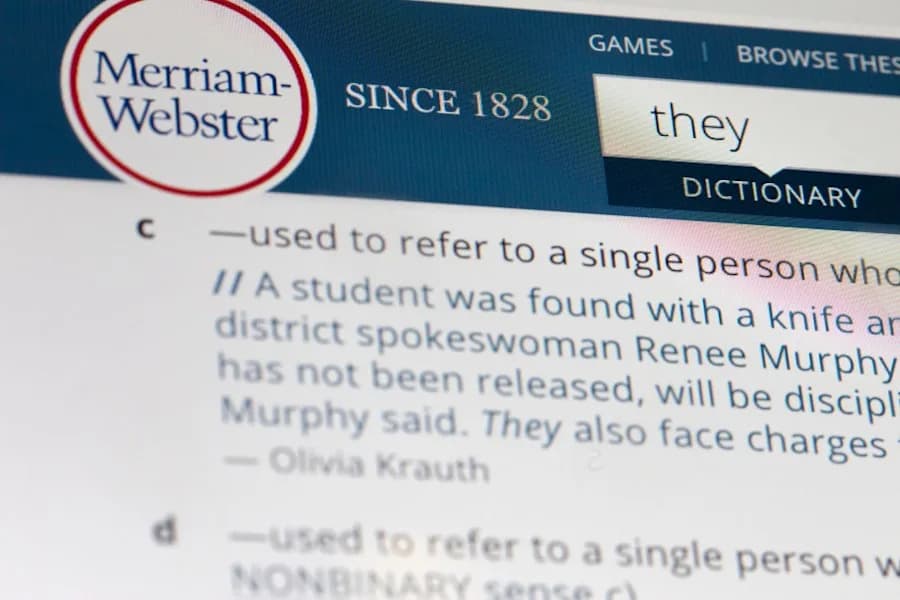
If Radio 4 were looking for a provocative contributor to Thought for the Day, one recent story would have supplied it. An American cleric known as Father Flourish Klink — who reportedly uses the pronouns they/elle/hen — has attracted attention for theological comments reported by The New York Post.
According to press coverage, Father Klink described God as "non-binary" on the basis that God exists beyond male and female, and suggested that Jesus was "not only transfigured... I think Jesus transitioned." These claims are described here as theologically contentious and likely to provoke debate among many Christians.
The column goes on to mock the tension between progressive language and traditional clerical titles, noting that some advocates prefer gender-neutral alternatives such as "non-birthing parent" in particular contexts, and offering a tongue-in-cheek suggestion that the priest might adopt a neutral honorific.
Beauty Trends And Cultural Critique
The piece also refers to a BBC report about the "bare nails" manicure trend. A beauty journalist quoted in that report argued that describing unpainted nails as "elegant" or "tasteful" can sometimes reflect and reproduce narrow standards of beauty associated with white cultural norms. The column responds satirically to that interpretation with self-deprecating humour about personal grooming choices and media coverage.
Way Of The World is a twice-weekly satirical feature that examines headlines and cultural moments with the aim of highlighting contradictions and absurdities. It appears every Tuesday and Saturday at 6am.
Help us improve.