Naxos Graviera, a PDO hard cheese from the island of Naxos, has global acclaim — named TasteAtlas’s top cheese in 2025 and winner of multiple international awards. The Naxos Union of Agricultural Cooperatives produces about 1,200–1,250 tonnes annually, with roughly 100 tonnes exported. Rising feed costs, logistical hurdles and declining local milk production are limiting output and export growth, prompting calls for state support to sustain island livestock farming and protect the cheese’s future.
Naxos Graviera: World‑Renowned Cheese Faces Production Crunch
Naxos Graviera - Naxos Union of Agricultural Cooperatives - Euronews
Naxos Graviera — a Protected Designation of Origin (PDO) hard cheese from the Cycladic island of Naxos — enjoys global prestige but is now confronting a production squeeze that threatens supply and the island’s agricultural economy.
Naxos Graviera - Naxos Union of Agricultural Cooperatives - Euronews
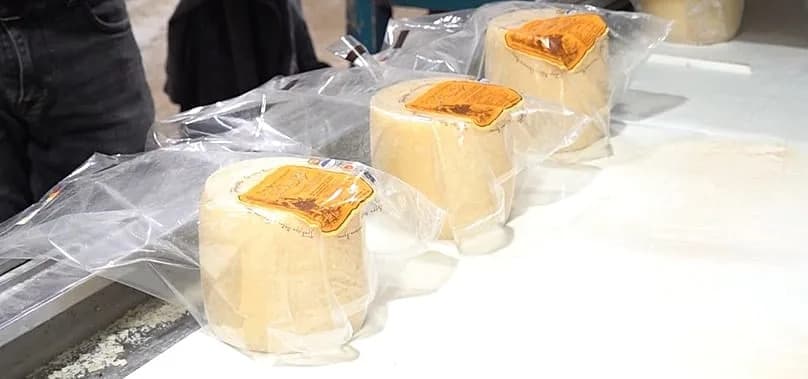
The cheese secured PDO status in 1996 and is exported to roughly 20 countries. Its international reputation was reinforced in 2025 when TasteAtlas named it the world’s best cheese. Over the years it has also collected multiple awards, including a gold taste award at the Greek Cheese Festival (2011), two Stars from the iTQi Superior Taste Award (2015, 2016, 2018), and golds at the Taste Olymp Awards (2017, 2020).

Naxos Graviera - Naxos Union of Agricultural Cooperatives - Euronews
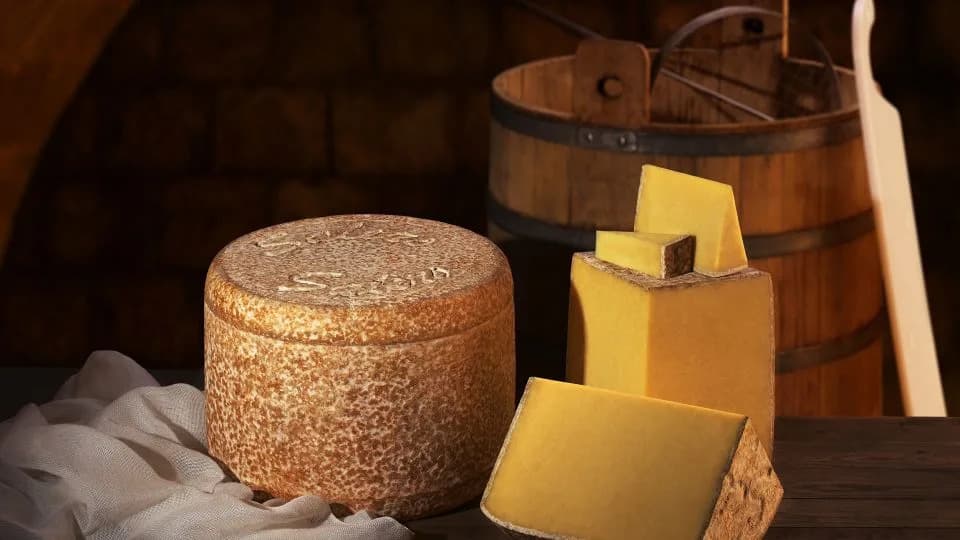
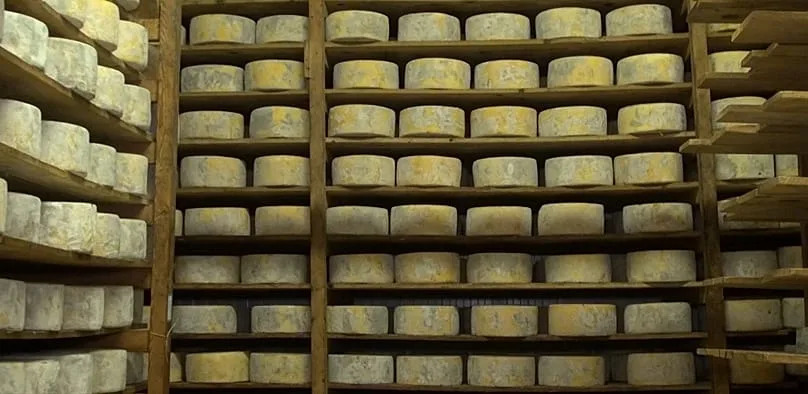
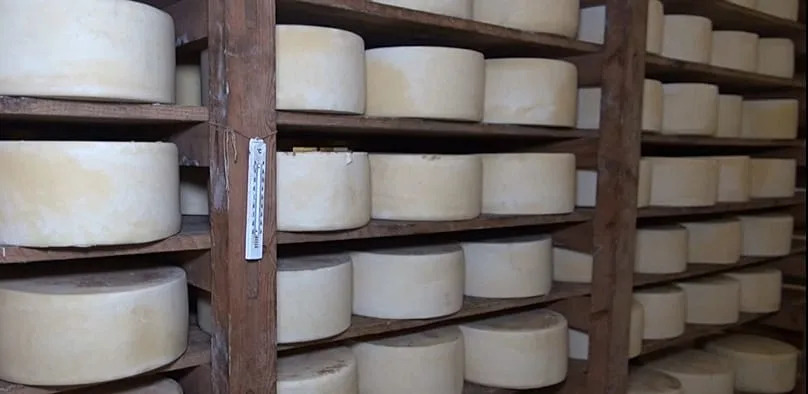
Naxos Graviera is known for its pale yellow interior, thin dry rind, delicate aroma, sweet and subtle flavour and a characteristic aftertaste. The cheese is typically made from local cow’s milk or a blend of cow’s milk with sheep and goat milk — generally about 80% cow to 20% sheep/goat — and is prized for its elasticity and sweet profile.
Naxos Graviera - Naxos Union of Agricultural Cooperatives - Euronews
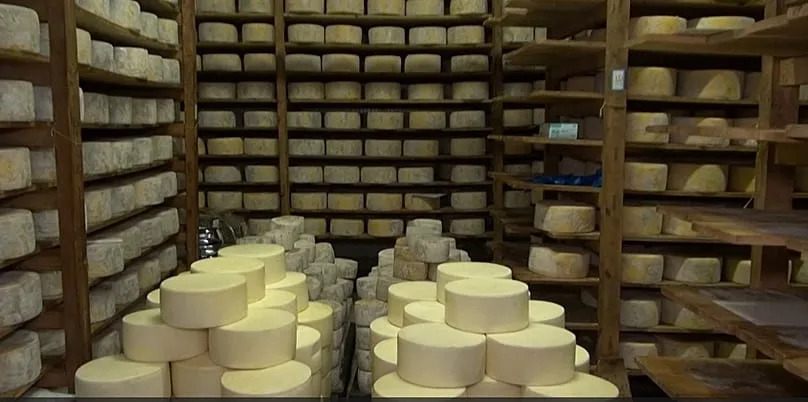
The Naxos Union of Agricultural Cooperatives runs the island’s largest dairy and is the primary producer of Graviera. The cooperative produces roughly 1,200–1,250 tonnes of Graviera annually, sold in wheels of 9 kg, 3 kg and 1 kg, as well as 250 g portions. About 100 tonnes of Graviera are exported each year; the cooperative also exports some 250 tonnes of other island cheeses such as Naxos Kefalotyri and Naxos Mountain Cheese.
Naxos Graviera - Naxos Union of Agricultural Cooperatives - Euronews
“The distinctive character of Naxos Graviera comes from a combination that is hard to find in cheese‑making. First of all, Naxos Graviera has a very sweet taste, which is combined with very high elasticity,” said Professor Giannis Politis of the Agricultural University of Athens. “Naxos is the largest island in the Cyclades, with very special features.”
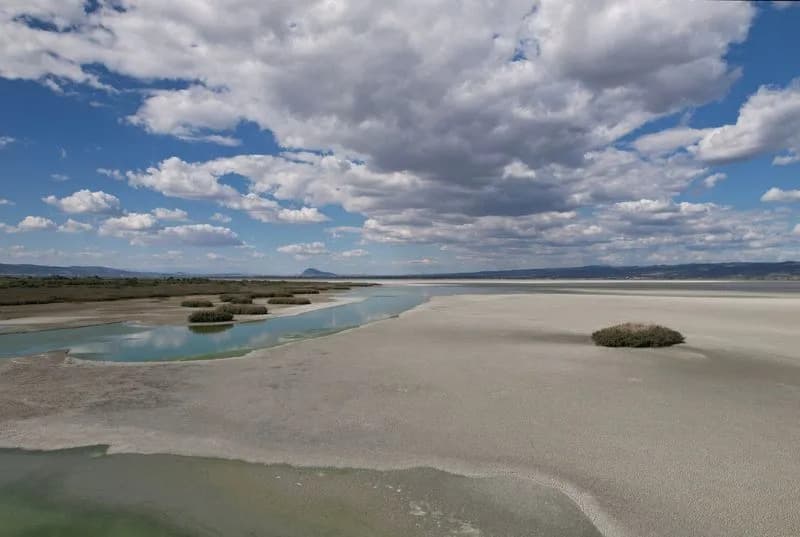
Experts attribute part of the cheese’s unique flavour to the island’s flora: cows graze on lowland pastures while sheep and goats feed in aromatic mountain grasslands, producing milk with a distinctive composition.
Naxos Graviera - Naxos Union of Agricultural Cooperatives - Euronews
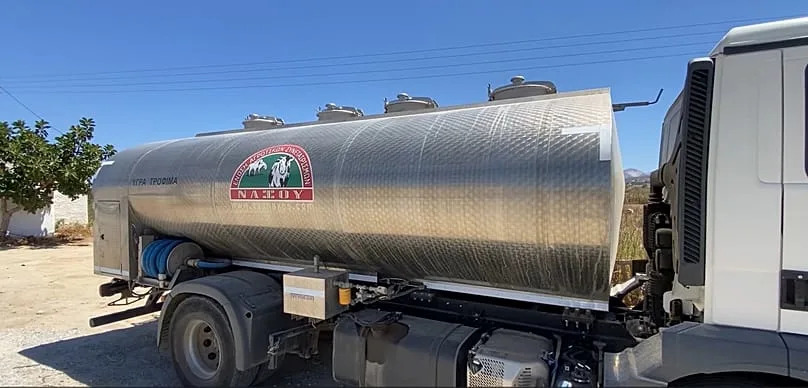
“Our primary raw material is milk, and it comes from short distances,” said food chemist Konstantina Vadoula. “We collect milk locally, run strict quality controls and follow traditional cheese‑making methods at every stage.”
Despite its strong brand and steady demand, producers say a decline in local milk production is constraining output and limiting exports. Island agriculture faces higher feed costs, expensive and unreliable logistics, and other structural challenges that make livestock farming harder than on the mainland.
Politis and cooperative leaders urge targeted state support to sustain island livestock farming and secure long‑term production. “This is a product that is essentially a national champion,” Politis commented, calling for policies that preserve local herds and ensure the cooperative can meet both domestic and export demand.
Outlook: Naxos Graviera remains a flagship Greek cheese with strong market appeal, but preserving the supply chain — from island pastures to cooperative dairies — is critical to maintain production levels and export potential.
Help us improve.