The University of Miami's ANDRTL is creating equestrian-specific normative baselines to improve concussion diagnosis and treatment for riders. Using questionnaires, a 10–12 test neuro‑optometry battery and eye‑tracking goggles, researchers found many riders have superior oculomotor and balance function that can mask post-injury decline. Passive Neurosensory Reintegration Training (PNRT) is being used to retrain visual and balance integration in affected riders. Data from 30 riders so far will expand at the Winter Equestrian Festival to better inform return-to-ride decisions.
University of Miami Study Could Transform How Equestrians Are Diagnosed And Treated After Head Injuries
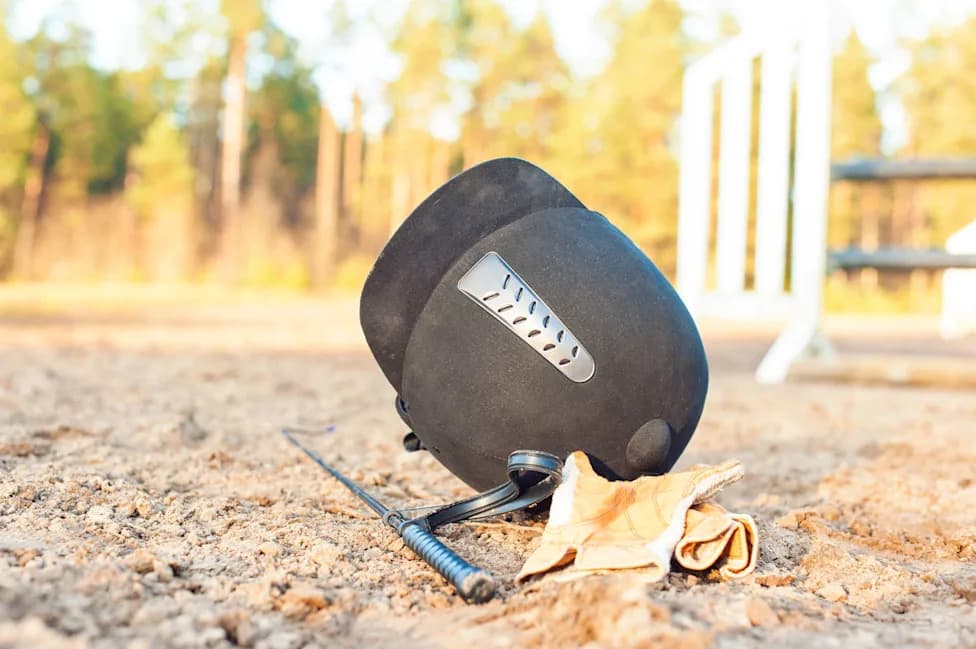
New Concussion Research Could Be A Game-Changer For Equestrians
When show jumper Lauren Hayes heard the University of Miami's Acquired Neurosensory Disorder and Treatment Laboratory (ANDRTL) was recruiting equestrians for concussion research, she signed up. A few days later she was airlifted to hospital after a dirt-bike crash and told she had no concussion. Weeks afterward she still felt "off." Testing at UMiami revealed a significant concussion and led to a course of Passive Neurosensory Reintegration Training (PNRT) that resolved her symptoms.
Why This Research Matters
Researchers at UMiami — including Dr. Sergio Guerreiro, AuD, Dr. Kayla Minesinger, Ph.D., and Dr. Erin Williams, Ph.D. — are developing equestrian-specific normative values for common concussion assessments. Their goal: avoid missed diagnoses that occur when clinicians compare riders to general-population norms rather than to rider-specific baselines. The effort grew out of cases like Canadian show jumper Will Martin, who experienced a second, career‑threatening fall after being cleared following a prior concussion.
What The Team Is Measuring
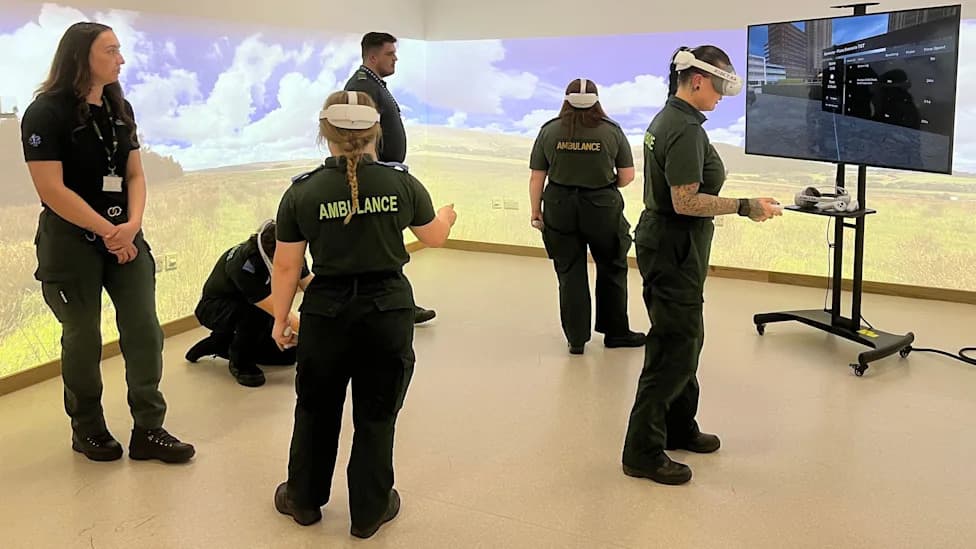
The study combines questionnaires and detailed neuro‑optometry testing. Sessions collect demographics and lifestyle data, then use the Sport Concussion Assessment Test (SCAT6) and the Convergence Insufficiency Symptom Survey (CISS) to record subjective symptoms. Participants complete a 10–12 test neuro‑optometry battery that evaluates visual acuity, depth perception, visual processing and peripheral color-field responses. The final diagnostic element uses eye‑tracking goggles — similar to a VR headset — to capture highly refined oculomotor and vestibular reaction-time data.
Passive Neurosensory Reintegration Training (PNRT)
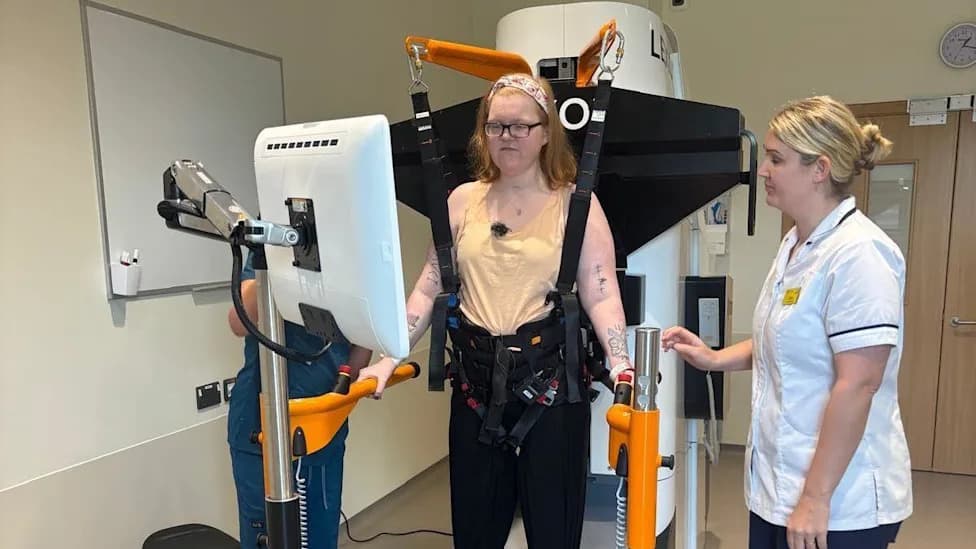
PNRT is a "bottom-up" therapy delivered on a multi-axial platform that moves gently in multiple directions (up/down, side/side, front/back) while exposing patients to controlled wavelengths of light and auditory stimulation. The approach targets automatic, subcortical processes rather than relying solely on top-down, task-based rehabilitation. Dr. Minesinger explains this can be especially useful when a concussed brain struggles with traditional, executive-function tasks.
Riders May Mask Injury With Superior Baselines
Preliminary findings suggest many riders have excellent oculomotor and balance function compared with the general population — abilities developed by years of riding. Because clinicians often use general norms, an injured rider who has declined relative to their own baseline may still score "normal" against population averages and be inappropriately cleared to ride. The researchers stress that equestrian‑specific normative values are essential to identify clinically meaningful declines and to track recovery objectively.
Study Progress And Next Steps
To date the team has collected data from about 30 equestrians and plans expanded testing during the Winter Equestrian Festival in Wellington, Florida. The researchers aim to gather data across disciplines (dressage, show jumping, eventing, cross‑country) because visual and spatial demands vary by discipline and skill level.
Implications
With a larger dataset, UMiami researchers hope to improve concussion diagnosis and recovery tracking for riders and provide evidence-based guidance for governing bodies such as US Equestrian and the Fédération Equestre Internationale (FEI) on when it is safe to return a rider to competition.
Key Stat: Researchers note that 42.5% of sports-related concussions occur in equestrians and that over 80% of riders will experience at least one head injury in their lifetime — underscoring the need for rider-specific diagnostic norms.
Source: Original reporting by Paulick Report.
Help us improve.