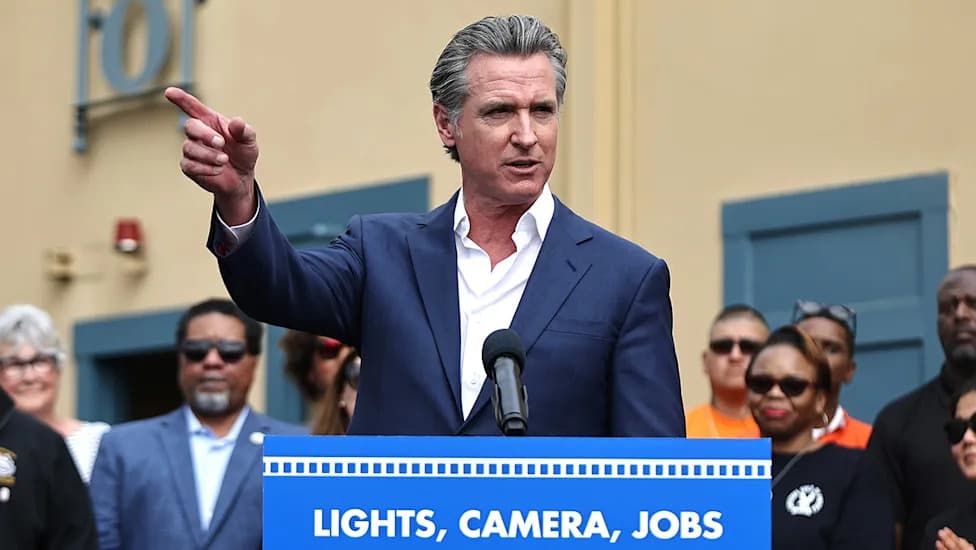
The Motion Picture, Television and Entertainment Revitalization Act — a proposal to establish a 20% federal tax credit for film and TV productions — gained eight Senate co-sponsors this week. The bipartisan group joins original sponsors Senators Adam Schiff and Tim Scott, and the bill has public backing from President Donald Trump. Eligible productions must spend at least $1 million and conduct 75% of principal photography days in the U.S.; certain projects can earn an additional 5% bonus. With Congress headed into recess, supporters aim to pursue the measure later in the year, possibly as part of year-end spending bills.
20% Federal Film & TV Tax Credit Gains Momentum as Eight Senators Join Bipartisan Bill
Federal Film & TV Tax Credit Bill Adds Eight New Senate Co-Sponsors
Support for a proposed 20% federal tax credit for film and television productions picked up momentum this week as eight senators signed on as co-sponsors of the Motion Picture, Television and Entertainment Revitalization Act. Backers hope to move the measure during Congress’ lame‑duck session or by attaching it to year‑end spending legislation.
Who Joined and Who Sponsored the Bill
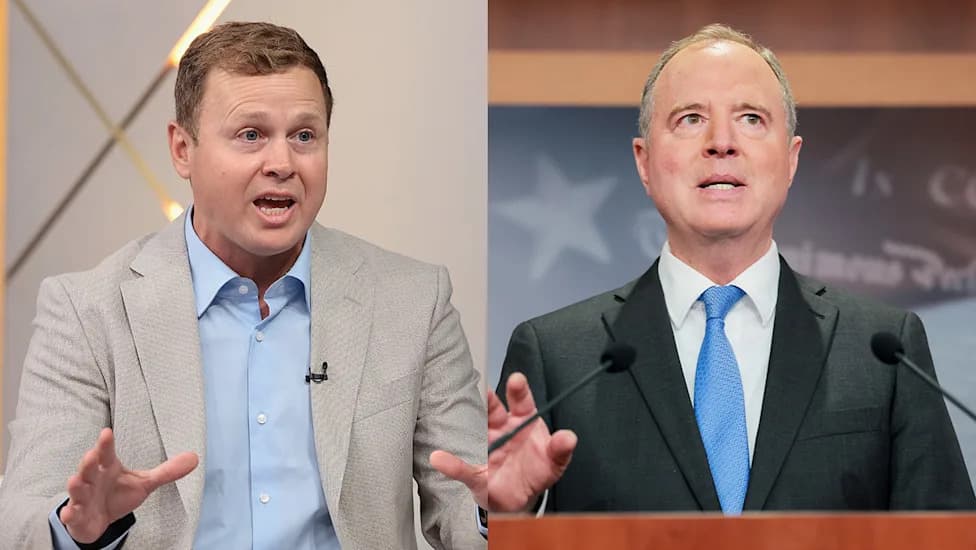
Senators John Cornyn (R-TX), Steve Daines (R-MT), Andy Kim (D-NJ), Bernie Moreno (R-OH), Alex Padilla (D-CA), Tim Sheehy (R-MT), Mark Warner (D-VA) and Raphael Warnock (D-GA) added their names as co-sponsors. The bill was introduced in the Senate last week by Senators Adam Schiff (D-CA) and Tim Scott (R-SC), alongside a bipartisan companion measure circulating in the House.
What the Credit Would Do
The legislation would create a 20% federal tax credit for qualifying film and television projects. Eligibility requires a minimum production spend of $1 million and at least 75% of principal photography days to occur within the United States. The bill also includes additional 5% bonus credits for productions that film in designated rural opportunity zones or disaster recovery areas, for qualifying independent productions and multi-state producers, and for projects that demonstrably bring production work back to the U.S. The federal incentive is designed to supplement, not replace, existing state-level tax credits.
Political Context and Outlook
President Donald Trump has publicly endorsed the proposal, urging lawmakers to establish the credit in a Truth Social post. With Congress entering recess for the midterm elections and the Senate preparing to adjourn, the bill is unlikely to advance before November. Supporters say they will renew efforts later in the year and may seek to attach the bill’s language to year‑end appropriations or spending legislation.
Why It Matters: Proponents say a federal credit could help lure production back to U.S. locations, boost jobs and support local economies, while critics may raise concerns about federal spending and the interaction with state incentives.
Help us improve.