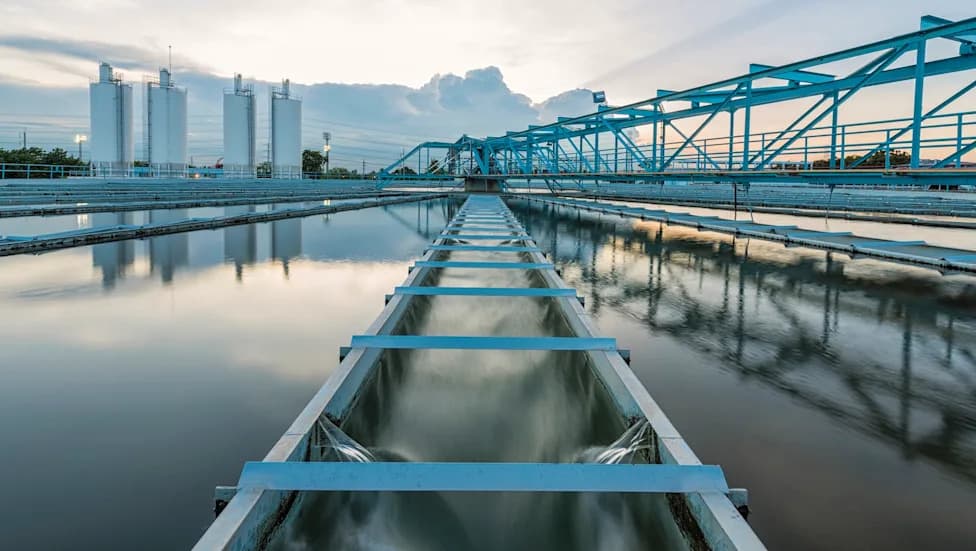
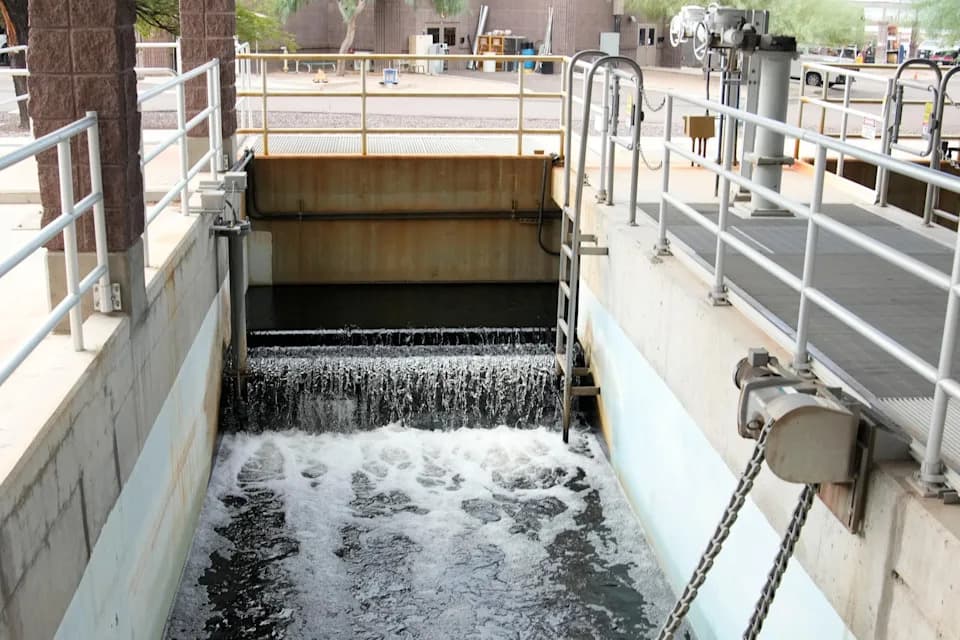
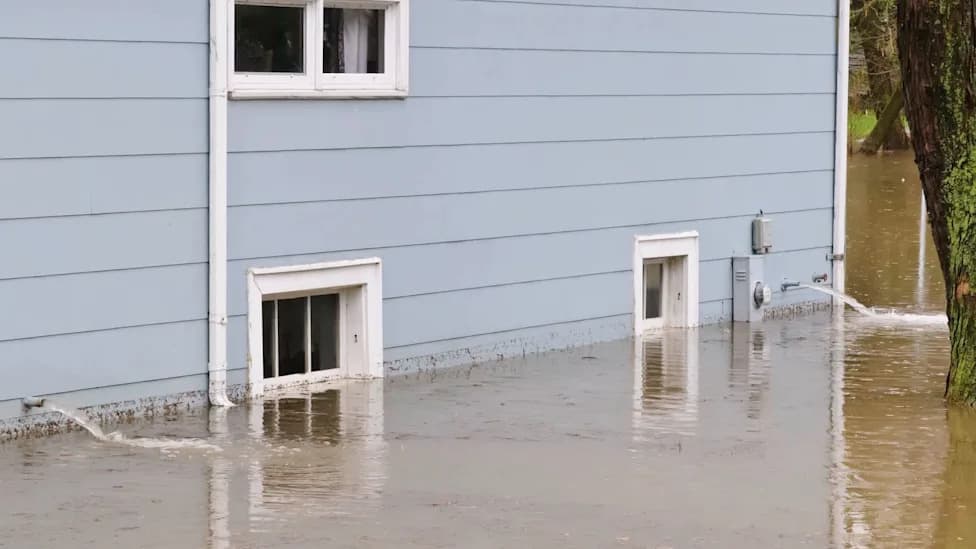
Corpus Christi rejected a proposed seawater desalination plant for the second time and may now be liable for up to $307 million — including $235 million in state funding, $50 million the city has already spent, and roughly $72 million in accrued interest. Councilman Mark Scott warned the repayment risk could be "painful," damage relations with state leadership, and weaken the city's credit rating. Officials plan to seek negotiation with the state and pursue lower-cost measures such as conservation, leak repair, and water reuse while limiting fiscal fallout.
Corpus Christi Could Owe Up to $307 Million After Rejecting Desalination Plan Again
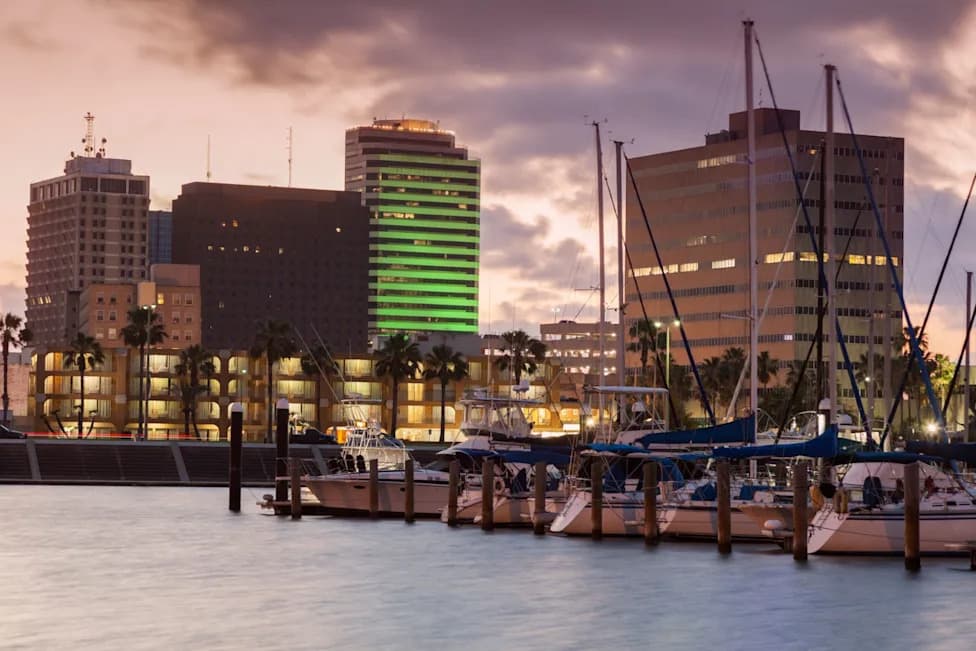
Photo Credit: iStock
Corpus Christi, Texas, faces the possibility of repaying up to $307 million after city leaders rejected a proposed seawater desalination plant for the second time. The project, intended to boost the region's long-term water supply, has become a flashpoint over cost and fiscal risk.
What Happened
According to reporting by Inside Climate News, the potential liability consists of roughly $235 million in state funding, $50 million the city has already spent, and about $72 million in accumulated interest. At a Sept. 1 City Council meeting, councilman Mark Scott warned that the city could face immediate consequences if the state demands repayment.
"That's going to be a painful experience if the state of Texas calls our notes due. I think we are dangerously close," Scott said before the vote.
Financial Risks
Officials say the obligation could strain the city budget, force cuts to public services, and push higher water rates onto residents. Scott and other leaders warned that defaulting or swiftly repaying the debt could damage Corpus Christi’s relationship with state officials and put downward pressure on the city’s credit rating—making future borrowing more expensive.
Why Desalination Was Contested
Desalination is often promoted for coastal communities as a drought-resistant source because it converts seawater into drinking water. But such plants require heavy upfront capital investment and can carry ongoing operational and energy costs. In this case, projected expenses and fiscal risk led officials to reject the proposal twice within a single year.
Practical Alternatives and Next Steps
City leaders are weighing how to limit financial fallout while pursuing more affordable water-security options. Potential next steps include negotiating repayment terms with state officials, re-evaluating long-term supply strategies, and prioritizing lower-cost measures such as increased conservation programs, aggressive leak repairs, and expanded water reuse initiatives. While these measures may not fully replace a major new source, they can extend supplies and buy time for a more sustainable plan.
Broader Context
The debate in Corpus Christi mirrors wider tensions across Texas and other states over water scarcity, infrastructure costs, and the trade-offs communities face when planning major supply projects. Nearby controversies—such as concerns about data centers drawing on limited water supplies—highlight how competing uses and climate pressures are reshaping local decisions.
What To Watch: How negotiations with the state proceed, whether any repayment relief or restructuring is offered, and what alternative water investments the city prioritizes next.
Help us improve.