Danah Boyd’s excerpt explains how technical "residence rules" for the U.S. census became a partisan battleground. The Covid‑19 pandemic created an opening to press long‑standing Republican efforts to count college students at parental addresses, while debates over how to enumerate prisoners prompted state-level reforms and advocacy. Boyd shows how career census staff applied established rules under intense political pressure and why seemingly arcane procedural choices have major political consequences.
How the Pandemic Fueled a Partisan Fight Over Census Residency Rules
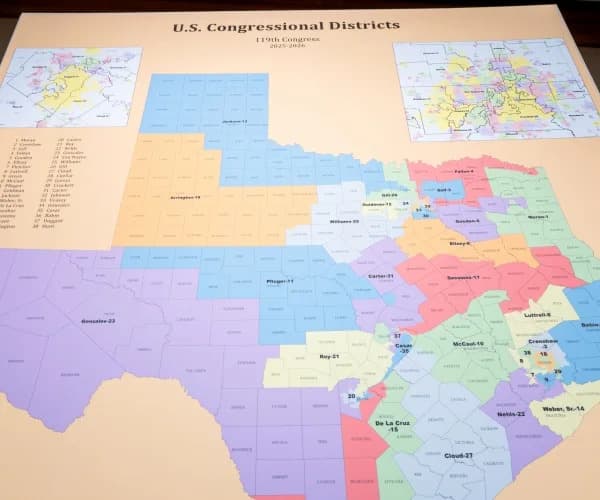
The decennial census shapes political power: it determines how many representatives each state receives and sets the baseline for legislative maps. Given those stakes, procedural rules about where people are counted—known as the "residence rules"—have long been the focus of partisan strategy.
In the run-up to future censuses, the Trump administration signaled plans to dramatically alter these technical procedures. Although Congress formally oversees the census and could set or change those rules, it has often deferred to the Census Bureau. That institutional gap created an opening that political actors sought to exploit. According to reporting and accounts by career staff, civil servants were pressured to keep quiet as debates intensified.
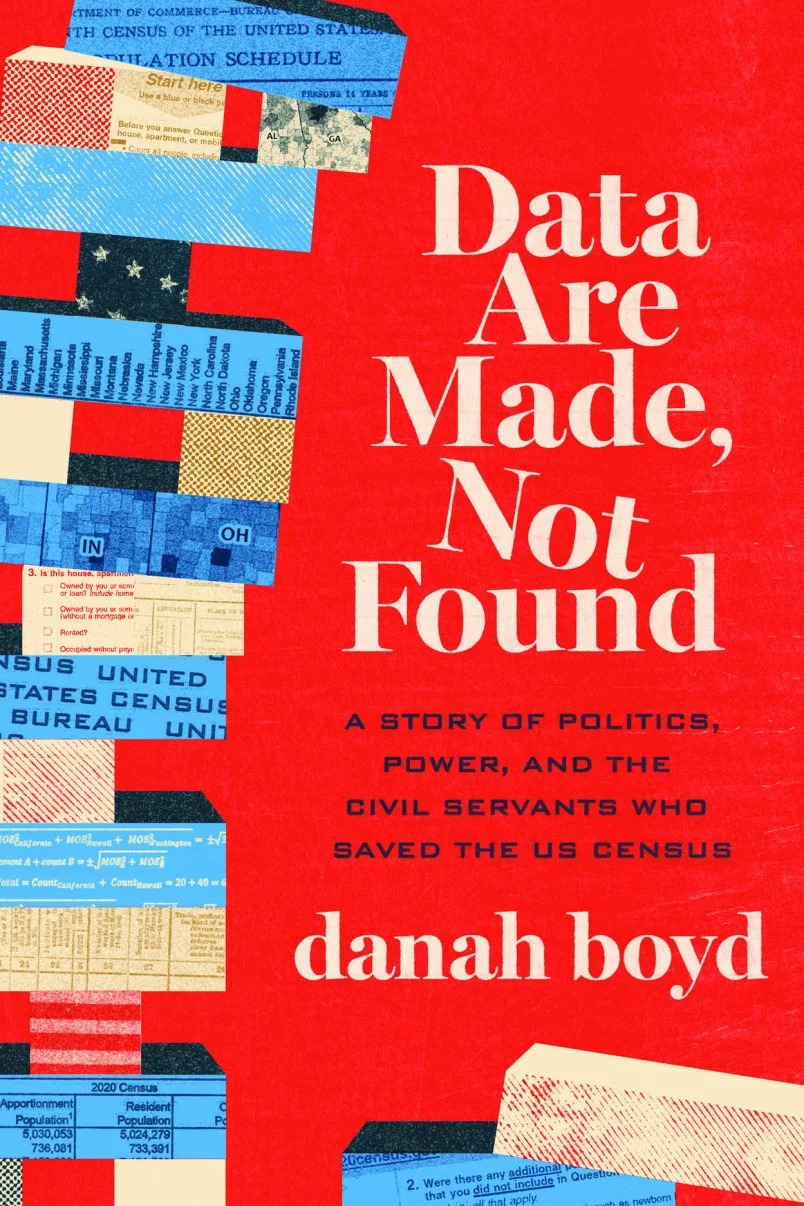
Data Are Made, Not Found: A Story of Politics, Power, and the Civil Servants Who Saved the US Census by Danah Boyd recounts how career bureaucrats delivered the 2020 Census amid a pandemic, natural disasters, budget constraints, and partisan pressure. Boyd’s account shows how technical details—like who is counted where—become the fault lines of political conflict, and why procedural decisions can have outsized political consequences.
Students, Parents, and the Pandemic
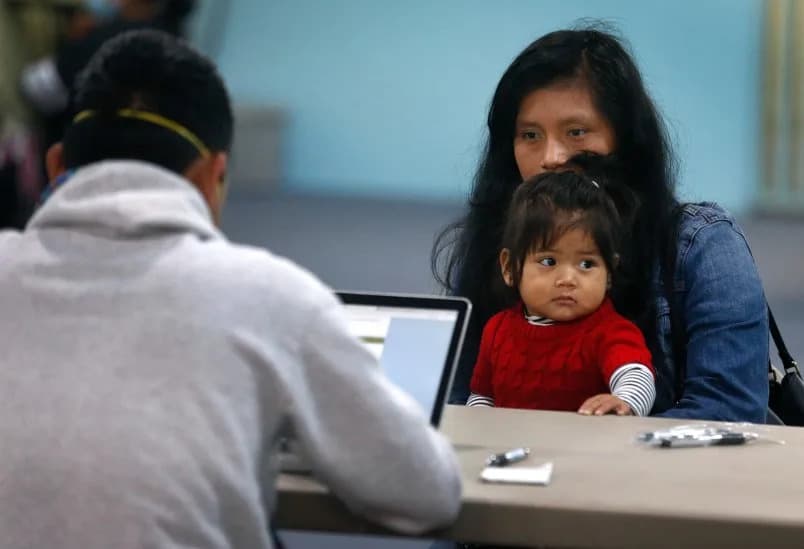
One major battleground has been the census treatment of college students. Republicans have long argued that students should be counted at their parents' homes rather than at campus addresses, reasoning that many students retain voting ties and other connections to their home communities. During 2020, as campuses closed and students returned home because of Covid‑19, many parents received census forms and reported household membership based on physical presence. The forms asked whether someone was "off at college" rather than whether they were ordinarily enrolled there, producing confusion and fierce debate about the proper rule to apply.
Parents who filled out forms honestly—because their child was physically present—were surprised to learn that Census Bureau practice historically counts a student's "usual residence" at the campus address if that is where the student normally lives during the school term. That definition has been the subject of political argument but remains rooted in longstanding Census Bureau practice and judicial deference to administrative rules.
Prisoner Counts and Political Power
Another flashpoint is where incarcerated people are counted. The census currently enumerates people at the facility where they are incarcerated. Civil rights advocates have challenged this on principle: counting prisoners at prison locations can inflate representation and resources for host communities while diluting the political power of prisoners' home communities. Some states—like Maryland and New York before the 2010 census—have enacted laws to reallocate incarcerated people back to their home communities for redistricting purposes.
The Census Bureau has resisted a wholesale shift because reallocating prisoners requires detailed address-level data that prisons are often unwilling or unable to provide. Bureau officials argue that, without a congressional mandate and reliable data from corrections authorities, producing accurate home‑address allocations is not feasible.
Legal and Strategic Context
Legal precedent has reinforced the bureau’s authority to set a clear, verifiable standard. In Borough of Bethel Park v. Stans (1970), plaintiffs argued that students who felt attached to their parental homes and registered to vote there should be counted at those addresses. The court deferred to the Census Bureau’s need for a definite, accurate, and verifiable standard and rejected the challenge.
Strategically, the late redistricting consultant Tom Hofeller played a central role in shaping debates about both students and prisoners. According to career staff interviewed by Boyd, Hofeller pushed to count students at parental homes while also supporting the elimination of prison gerrymandering. Civil servants described Hofeller as a tactical thinker who treated redistricting like chess—sometimes accepting tradeoffs he believed would yield larger partisan gains.
Why This Matters
Procedural questions about residence may seem esoteric, but they determine how political power and federal resources are allocated. Career census workers say they strive for consistent, neutral application of rules under difficult constraints; critics see those same choices as politically consequential. The pandemic exposed how everyday practicalities—where people could be found during a public-health crisis—can reshape the application of longstanding rules without explicit congressional action.
Bottom line: Small technical definitions—"usual residence" and where someone is counted—carry big political consequences. Ensuring that those rules are set transparently, with public oversight and clear data, is essential to maintain trust in the census and the democratic processes that rely on it.
Reprinted with permission from Data Are Made, Not Found: A Story of Politics, Power, and the Civil Servants Who Saved the US Census by Danah Boyd, published by the University of Chicago Press. © 2026 by Danah Boyd. All rights reserved.
Help us improve.