Xella Health and ŌURA have partnered to link continuous wearable metrics with Xella's multi‑omic diagnostics and clinician‑led care. Members may securely share ŌURA data — including HRV, menstrual‑cycle recovery, sleep and temperature trends — so clinicians can view biometric patterns alongside lab results. The service targets cardiometabolic health, fertility optimisation, hormonal issues, perimenopause and women's longevity, enabling personalised, longitudinal care plans.
Xella and ŌURA Partner to Combine Wearable Data with Multi‑Omic Diagnostics for Personalized Women's Health

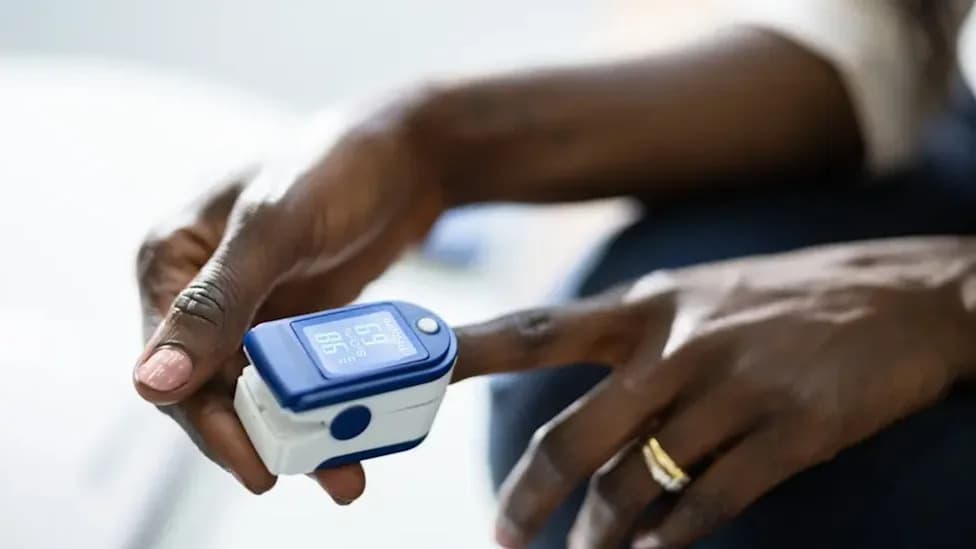
Xella clinicians will be able to review the trends alongside diagnostic results and patient check-ins. Credit: PeopleImages / Shutterstock.com.
Xella Health has announced an integration with ŌURA to create a connected precision health experience tailored to women's biology. The partnership links ŌURA's continuous physiologic monitoring with Xella's multi‑omic diagnostics and physician‑guided care to help clinicians detect and act on meaningful physiologic changes.
How the Integration Works
Members can choose to securely share ŌURA insights with Xella, including activity, heart rate variability (HRV), recovered menstrual‑cycle data, resting heart rate, sleep patterns and distal temperature trends. Xella clinicians will review those wearable trends alongside diagnostic results and patient check‑ins to build a longitudinal view of a member's health.
What Xella Adds
Xella's laboratory testing analyzes vast multi‑omic data — spanning hormonal, metabolic and reproductive systems, inflammation markers, nutritional status and cardiometabolic risk — and the company says its platform can identify more than 130 conditions specific to female biology. By correlating wearable signals with molecular diagnostics, clinicians can better infer possible biological drivers of symptoms such as irregular cycles, fatigue, fertility challenges, weight change and perimenopause.
Care and Clinical Use
Physician‑guided care plans may be developed around each individual's biology, existing conditions, goals and treatment strategy. The integrated service will focus on cardiometabolic health, fertility optimisation, hormonal health, perimenopause management and women's longevity, with ongoing monitoring to detect trends and evaluate treatment response over time.
Kelly Lacob, CEO and Co‑Founder of Xella Health: "Wearables have transformed our ability to detect physiologic change. By combining continuous data and insights from ŌURA with Xella's molecular diagnostics and clinical care, we're creating a more complete picture of women's health — helping women understand what's happening in their bodies and what to do next."
Privacy and Practical Impact
Members must opt in to share data, and the integration is presented as a secure way to supplement clinical assessment with real‑time physiologic context. The combined approach is intended to move some care decisions beyond "wait and see" by giving clinicians correlated biometric and molecular information to guide personalized interventions.
Overall, the Xella–ŌURA partnership aims to close gaps between wearable monitoring and clinical diagnostics, supporting earlier detection, targeted investigations and tailored treatment plans for women across reproductive and mid‑life health stages.
Help us improve.