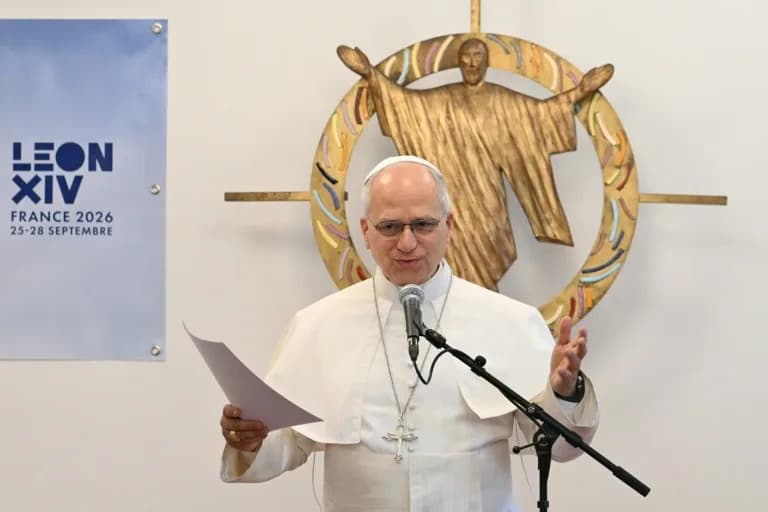
Pope Leo XIV visited the Basilica of Our Lady of the Rosary in Lourdes where mosaics by the accused Slovenian priest Marko Rupnik were concealed at the request of Bishop Jean‑Marc Micas to spare survivors. Rupnik faces multiple allegations and is currently on trial in a Vatican court after media scrutiny prompted a canonical process. Survivors welcomed the gesture but criticised the Vatican’s slow handling of their complaints and a limited private meeting with victims.
Mosaics By Accused Priest Covered At Lourdes Ahead Of Pope Leo XIV’s Visit — Survivors Praise Move, Criticise Vatican
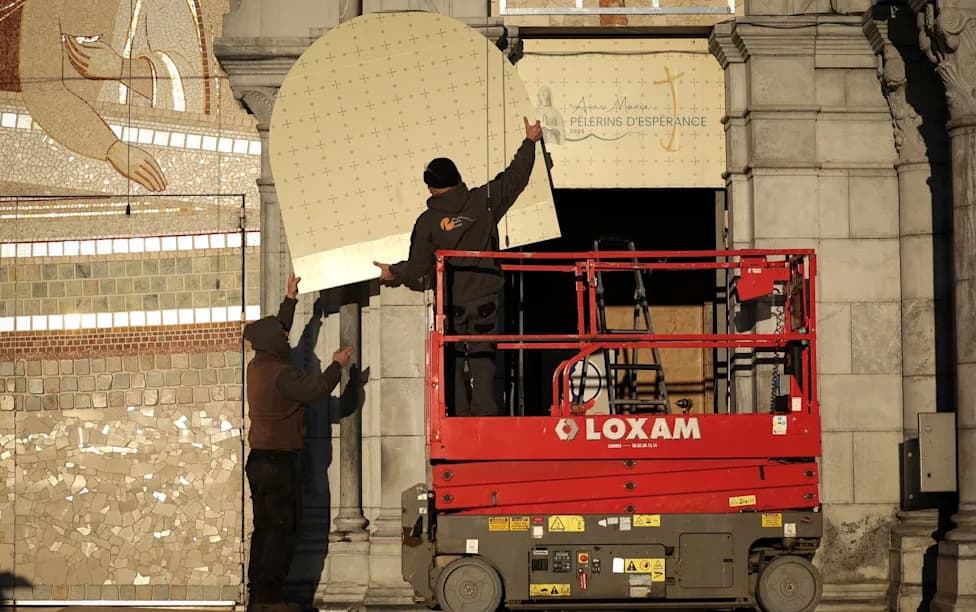
Workers cover a mosaic ahead of the Pope's visit to the pilgrimage site of Lourdes - AFP /VALENTINE CHAPUIS
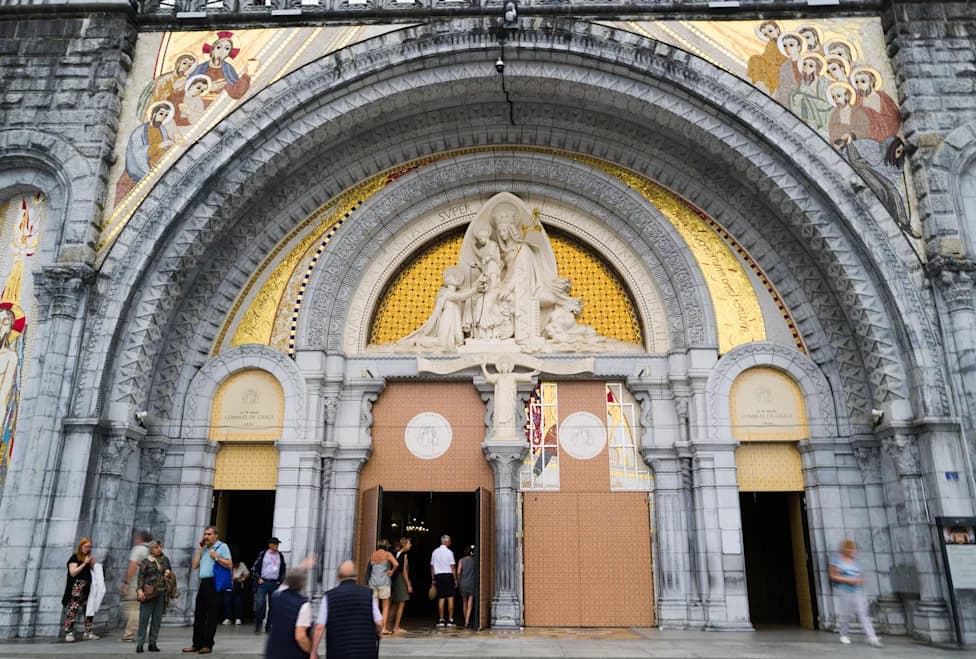
Mosaics created by Rev. Marko Rupnik, a well-known Slovenian priest and mosaic artist now accused by multiple women of abuse, were concealed at the Basilica of Our Lady of the Rosary in Lourdes during Pope Leo XIV’s visit. The coverings were ordered by Lourdes Bishop Jean‑Marc Micas to avoid re‑traumatising survivors who come to the shrine seeking solace and healing.
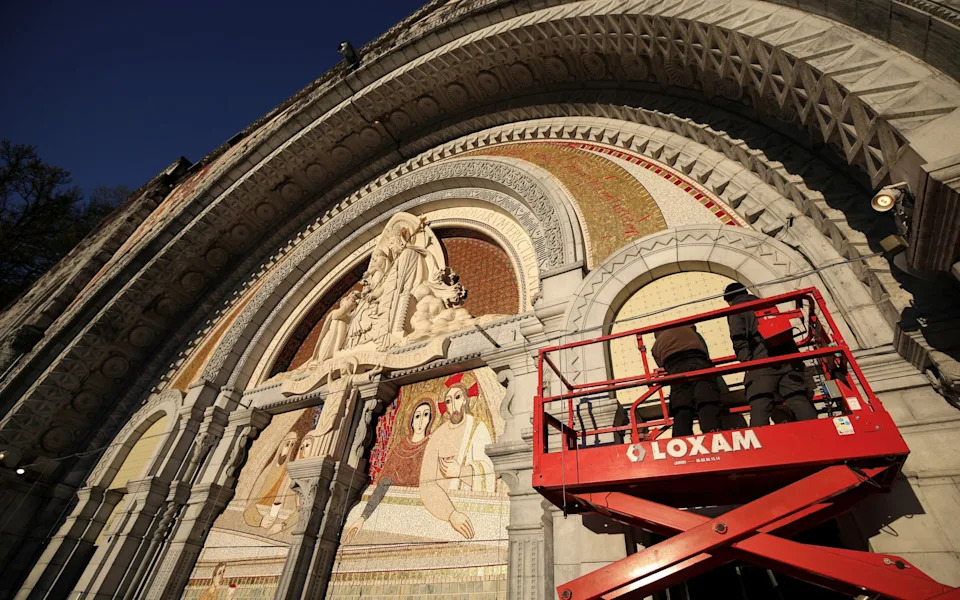
Workers cover a mosaic made by Marko Rupnik, a Slovenian priest and world-renowned mosaic artist - AFP/VALENTINE CHAPUIS
Why The Mosaics Were Covered
Bishop Micas began covering some mosaics last year and, ahead of the papal visit, ordered the basilica’s entire decorated façade and doors concealed. He said the decision was taken out of respect for survivors of clerical sexual abuse who visit Lourdes. The coverings made the issue highly visible and set a sombre tone for the pope’s third day in France.
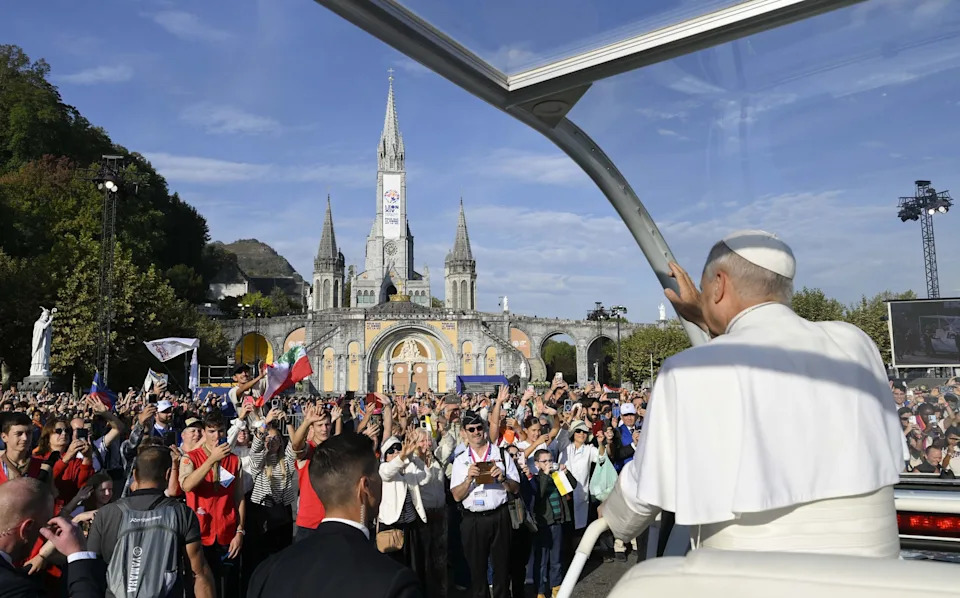
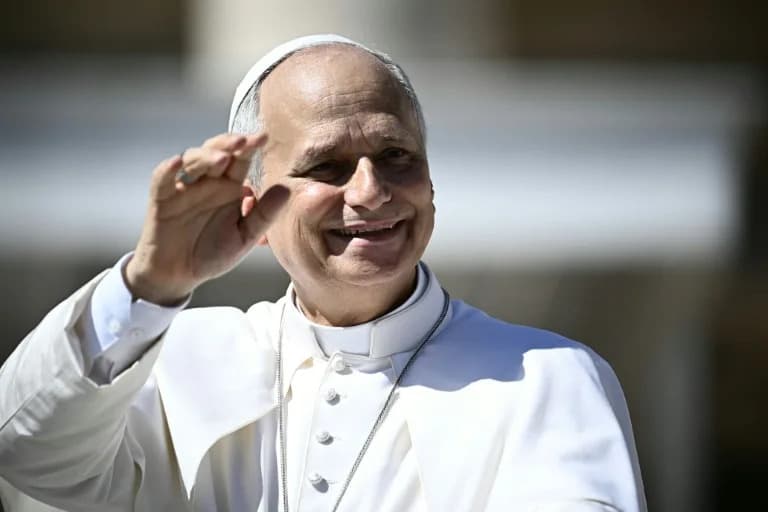
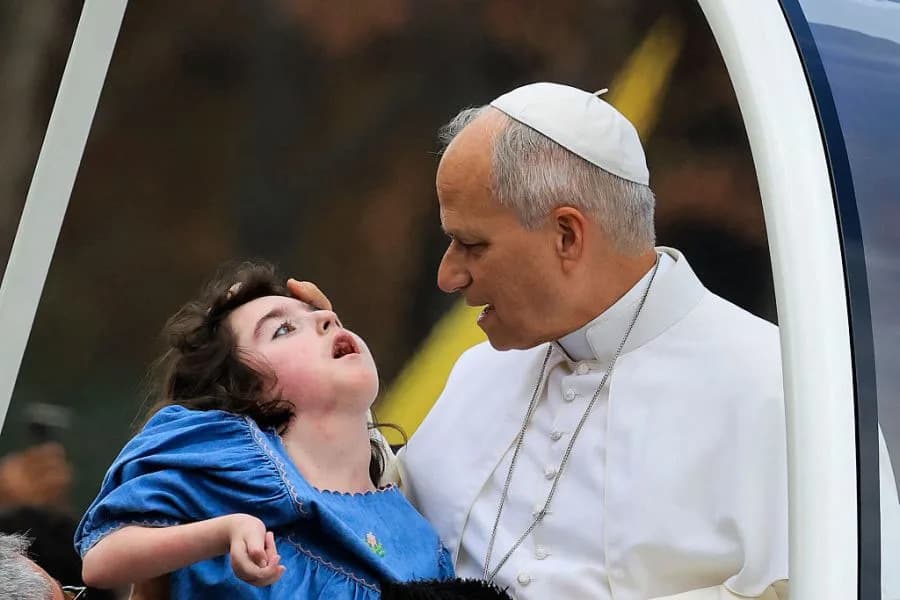
Pope Leo XIV greets pilgrims at Lourdes before celebrating mass - Getty Images/Simone Risoluti
The Allegations And Legal Status
More than two dozen women have accused Rupnik of psychological, spiritual and sexual abuse dating back to the 1990s, including during the years when he produced the mosaics now at the basilica. Rupnik, 71, is facing a canonical trial in a Vatican court after media scrutiny and public criticism prompted Pope Francis to authorise the process in 2024.
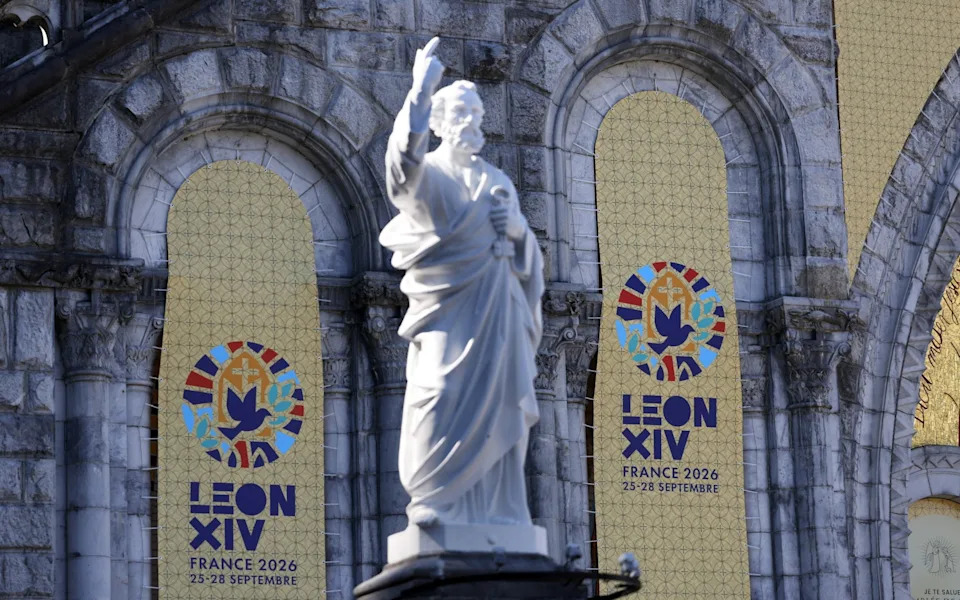
A Saint Pierre statue in front of banners announcing the Pope's visit to Lourdes - Shutterstock/GUILLAUME HORCAJUELO
Papal Response And Context
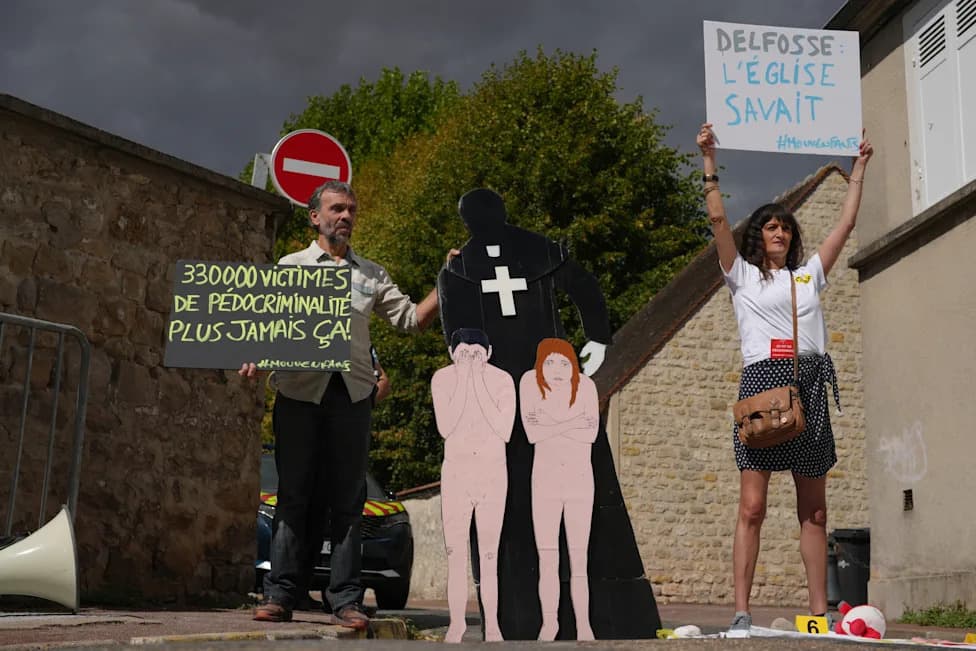
During his visit to Lourdes, Pope Leo XIV urged French bishops to persevere in confronting what he called the "scourge" of sexual violence in the Church and commended them for seeking "truth, justice, forgiveness, restitution." His remarks recalled the findings of a 2021 independent report that concluded roughly 3,000 priests and church workers had sexually abused about 330,000 children in France over seven decades.
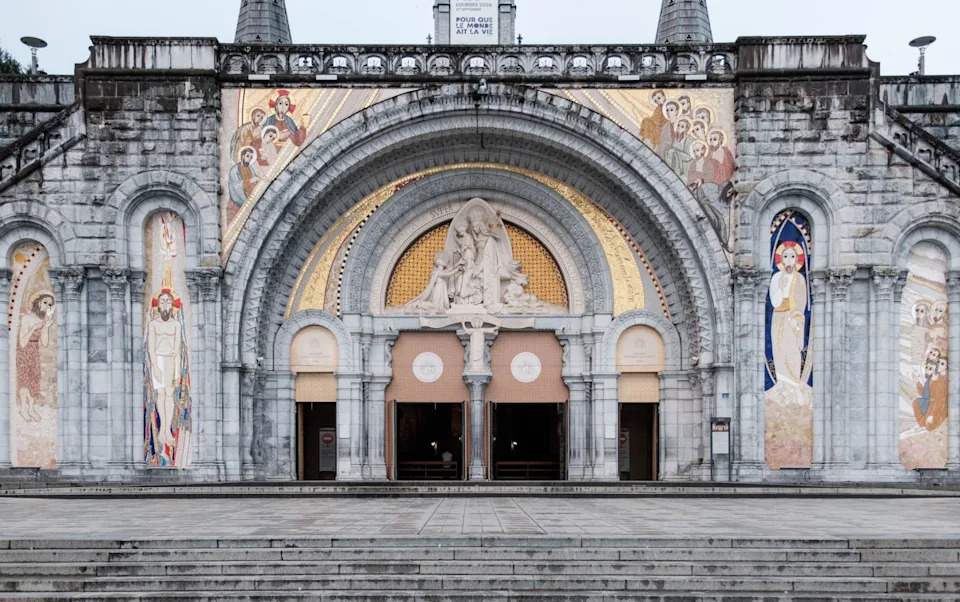
The mosaics by Marko Rupnik, who has been accused of sexual abuse - AFP /JEAN-CHRISTOPHE CHARTRE
"You have faced with determination the painful scourge of abuse of minors committed by members of the clergy or within an ecclesial context. It is important to persevere along the path you have begun, maintaining the greatest vigilance."
Survivors' Reactions And Criticism
Survivors and advocacy groups generally welcomed Bishop Micas’ decision to hide the mosaics as a gesture of respect, but many also criticised the Vatican’s handling of Rupnik’s case and the long delay before allegations were fully investigated. In a letter to the pope, five women who say they were abused by Rupnik praised the bishop’s action yet lamented the decades it took for their complaints to be addressed.
The pope paused at a photograph showing a statue of a crying child — an image taken by a survivor and displayed after the 2021 report — symbolising collective suffering. After a Mass in Lourdes attended by around 150,000 people, Pope Leo was scheduled to meet privately with seven survivors who had been abused in school, parish or diocesan settings. That private meeting drew criticism from victims’ groups, who said collective requests to meet the pope had been sidelined and warned that the systemic nature of the abuse risked being downplayed.
Wider Questions About Art And Accountability
Rupnik’s case has raised broader ethical and practical questions about what to do with artworks created by clergy accused of abuse — mosaics and other works that appear in churches worldwide. Some church leaders have opted to hide, de‑emphasise, or remove such works; others have sought ways to contextualise them to acknowledge survivors and support healing.
The coverings at Lourdes were a temporary, symbolic measure intended to prioritise survivors’ needs during a high‑profile papal visit. The case continues to unfold in the Vatican judicial process, and it remains a focal point for debates about transparency, responsibility and care for victims within the Catholic Church.
Help us improve.