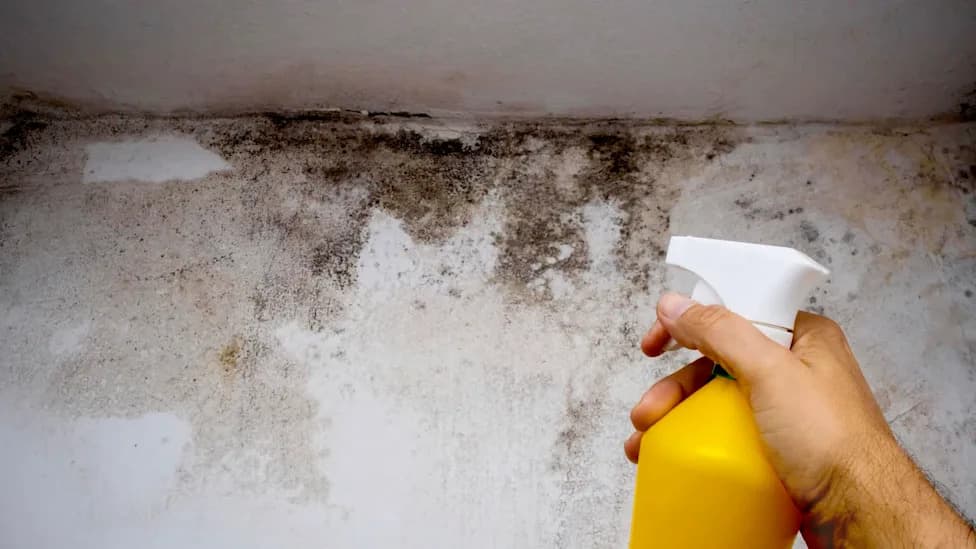
The Barneses discovered 150 defects in their new-build home after commissioning an independent snagging inspection that revealed safety and workmanship failings, including wrongly installed fire barriers and poor gas-meter installation. Industry data cited by the New Homes Ombudsman Service shows 93.7% of new-build buyers report defects after moving in, with over a quarter finding more than 15 issues. Inspectors say independent checks (costing about £349–£499 and taking 2–4 hours) can uncover hidden problems, while industry bodies argue most snags are minor and existing frameworks are sufficient.
Independent Inspection Finds 150 Defects in New Home Bought for £299,995 — Safety and Workmanship Failures Exposed
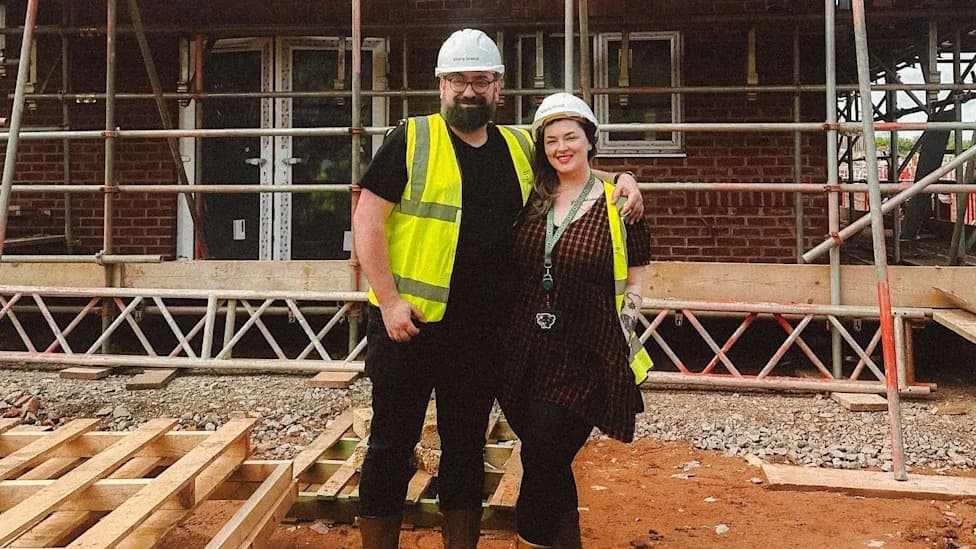
Charles and Georgina bought a new build home in February 2026 [Georgina Barnes]
What should have been a moment of joy for first-time buyers Georgina and Charles Barnes turned into a worrying discovery when an independent snagging inspection revealed 150 defects in their brand-new home. The Swansea-based inspectors found safety issues and widespread poor workmanship that the couple say they would never have noticed without a professional check.
Inspection Uncovers Safety and Quality Failings
Swansea firm New Home Quality Control — founded by former site manager John Cooper and his colleague Lee Challenger — carried out the pre-move-in snagging check. Inspectors flagged an array of problems including incorrectly installed fire barriers, evidence of a previous leak, improperly fitted roofing elements, low water pressure and "exceptionally poor" installation of the gas meter cabinet and gas pipe. More than a dozen additional cosmetic and finishing defects were also recorded.

Charles and Georgina were excited to move into their new home [Georgina Barnes]
How The Buyers Reacted
"We just wouldn't have known," said Georgina. "If there had been a fire, that could have been catastrophic."
The Barneses paid £299,995 for the property in a south Leicestershire development and had saved for three years. Because the developer supplied a two-year warranty, many of the defects were repaired under that cover — but the inspection left the couple convinced a professional snagging review is essential for any new-build buyer.
Industry Context And Official Responses
Industry groups say responsibility for meeting building regulations rests with developers. The National House Building Council (NHBC) carries out stage checks and offers a warranty scheme, while the Home Builders Federation (HBF) has emphasised that many snags are minor and that new homes are built by numerous tradespeople in exposed site conditions.
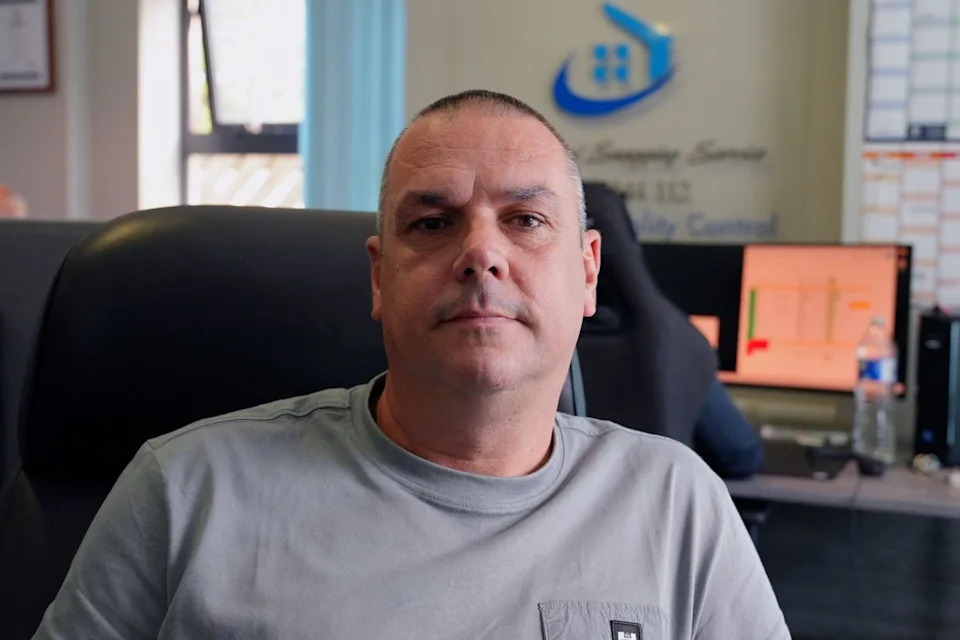
John Cooper was asked to hide issues in new build homes so he created a company to fight back [BBC]
Nevertheless, written evidence to the New Homes Ombudsman Service cited the HBF's national new homes customer satisfaction survey (March 2025), which found that 93.7% of new-build buyers reported defects or snags to their developer after moving in and that just over a quarter of buyers discovered more than 15 problems in their new homes.
What The Inspectors Found Most Often
According to New Home Quality Control, the most common defects include:
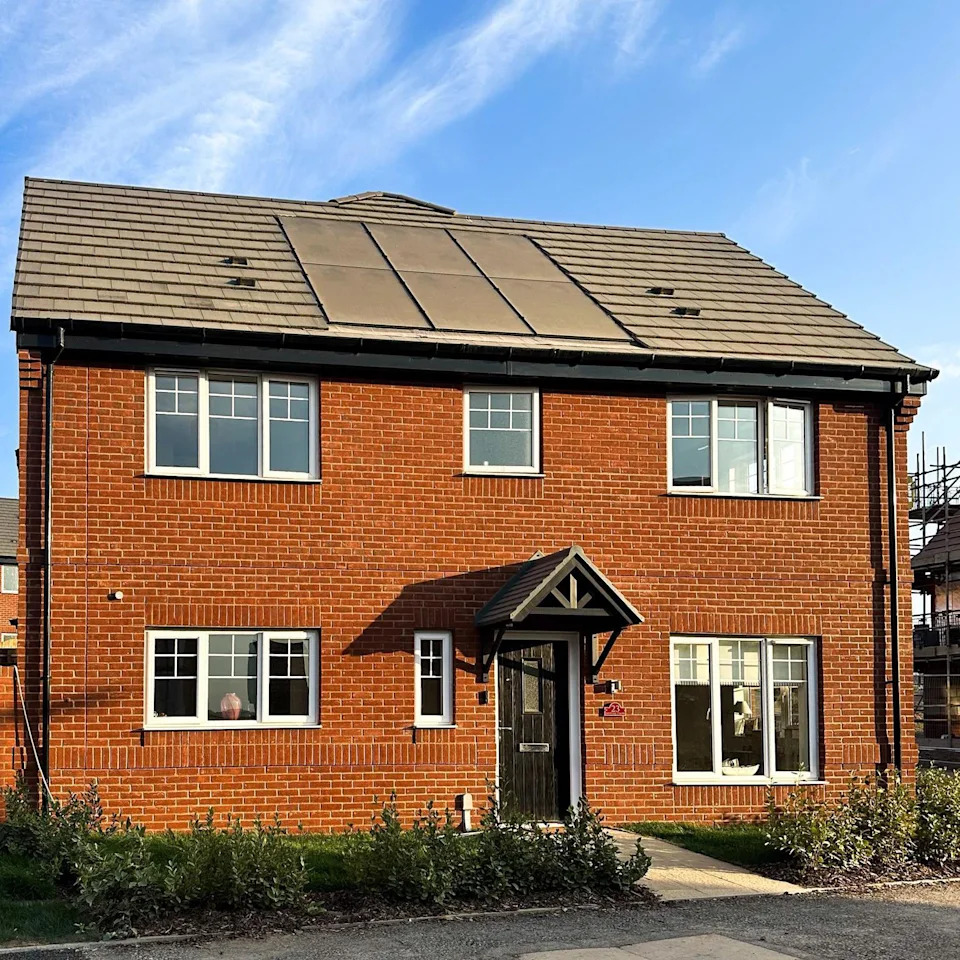
Georgina and Charles' home had 150 issues when they moved in [Georgina Barnes]
- Poor brickwork and carpentry
- Roofing faults and improperly fitted roofing elements
- Missing or incorrectly installed weep vents (sometimes replaced with decorative—non-functional—pieces)
- Faulty or unsafe gas-meter and pipe installations
- Signs of leaks, inadequate sealing and finishing problems
Snagging Inspections: Cost, Process And Tools
Independent snagging inspections by firms such as New Home Quality Control typically take 2–4 hours and cost around £349–£499, depending on house size. Inspectors use drones, GoPro and cavity cameras, thermal imaging and laser levels to detect issues not visible to the untrained eye.
Calls For Better Oversight
John Cooper says his long-term aim is for every new-build home to undergo an independent inspection before handover. The HBF has signalled support for statutory registration under the New Homes Quality Board but warned that snagging inspectors are not currently regulated — advising buyers to choose inspectors accredited by recognised professional bodies, such as RICS.
Developer And Government Responses
Vistry, the parent company overseeing the Countryside development where the Barneses bought their home, said it supports "appropriately conducted independent inspections as an additional source of reassurance about build quality" and that build teams carry out checks and follow up with snagging work several weeks after occupation.
Major developers—Taylor Wimpey, Watkin Jones, Barratt, Redrow and Persimmon—either declined to comment or did not respond to requests. The Welsh government said it is committed to ensuring quality and protection for homebuyers, while the UK government pointed to significant investment in affordable housing and workforce training.
What This Means For Buyers
For buyers of new-build properties, the evidence suggests a professional pre-move-in inspection can identify safety risks and numerous defects that might otherwise go unnoticed. As Georgina put it: "I would say for any new-build buyer, 100% no doubt, I recommend a snagger."
Help us improve.