Sir Peter Lampl says he relocated to the United States after London’s transport changes — including bike lanes, camera-enforced LTNs and 20mph limits — made moving around the city impractical for people who depend on cars. He argues these policies have slowed traffic, limited taxi use and contributed to a trend of wealthy individuals leaving the UK. Lampl notes that nearly one-third of the 350 people on The Sunday Times Rich List 2024 now live abroad and warns that this exodus risks deepening Britain’s economic stagnation.
I Left London Over Transport Policies — And Sadiq Khan Seems Unmoved
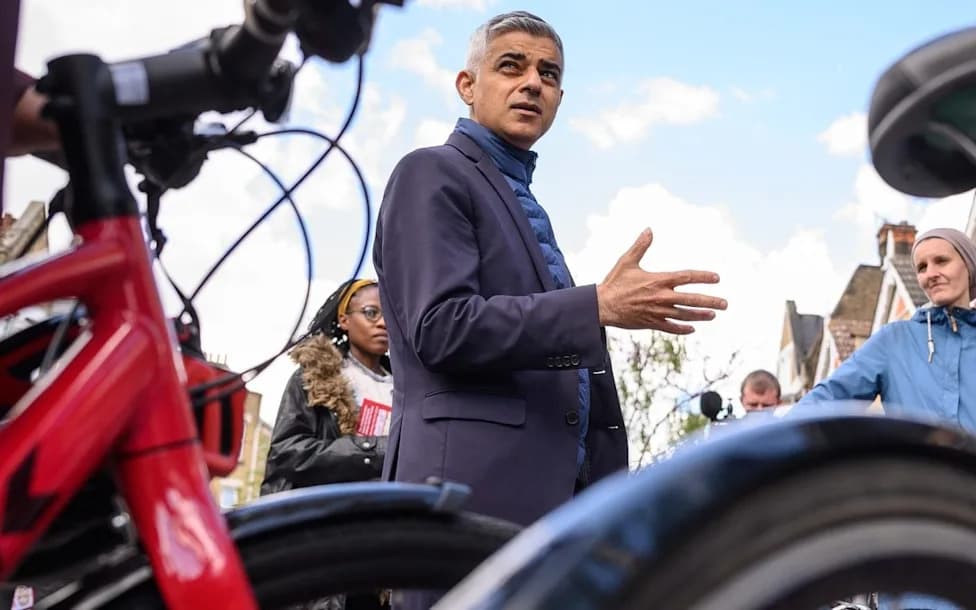
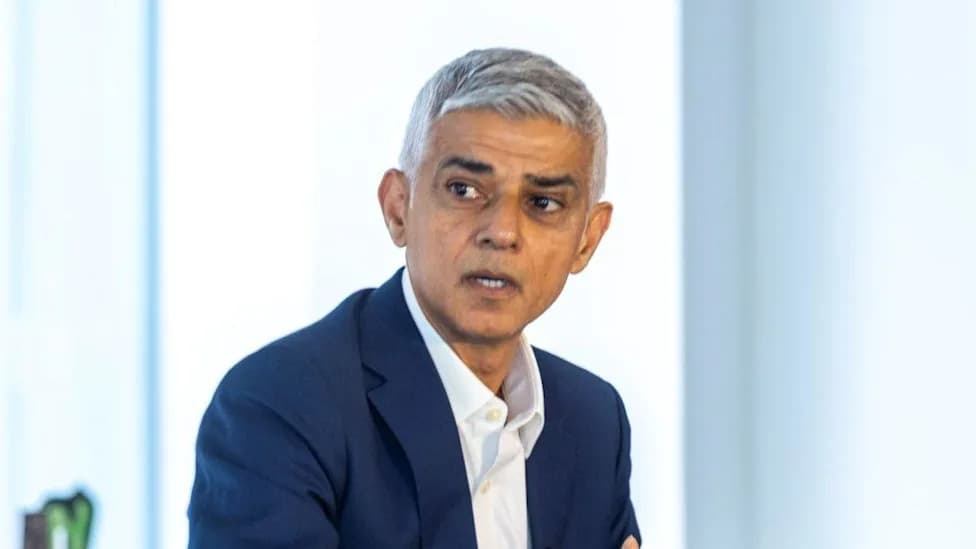
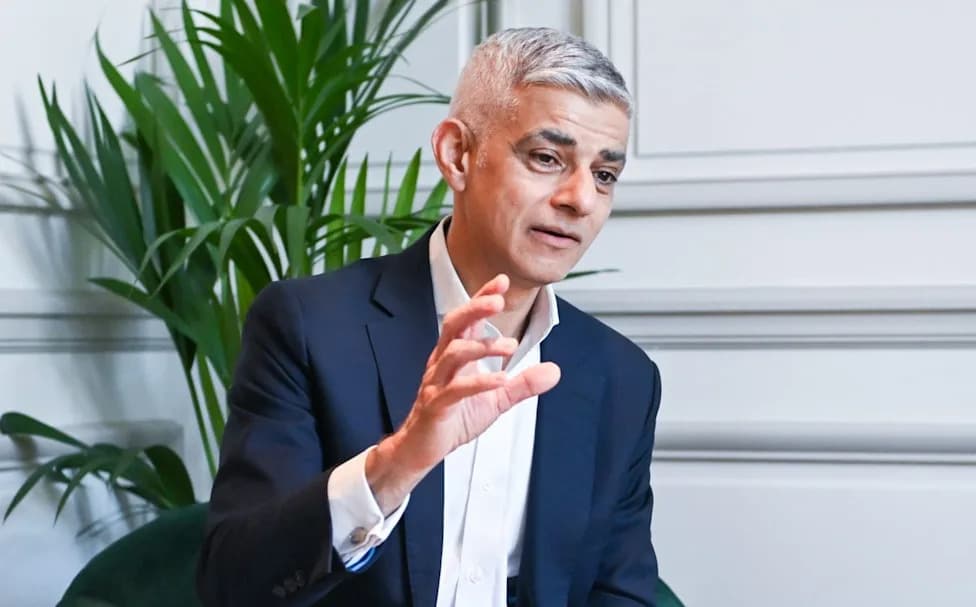
Sir Sadiq Khan engages with a cycle campaign group in London - Leon Neal/Getty Images
I may be mistaken, but it increasingly feels as though Sadiq Khan, London’s mayor, has little sympathy for people like me: wealth-creating entrepreneurs and philanthropists who need to move quickly around the city to get business done. Not long ago I could finish a morning in my Putney office, hop in a cab, rush to Westminster for meetings, grab a business lunch, and be back at my desk that afternoon. Today, that kind of round trip can swallow an entire day — or an entire week.
Why I Couldn’t Stay
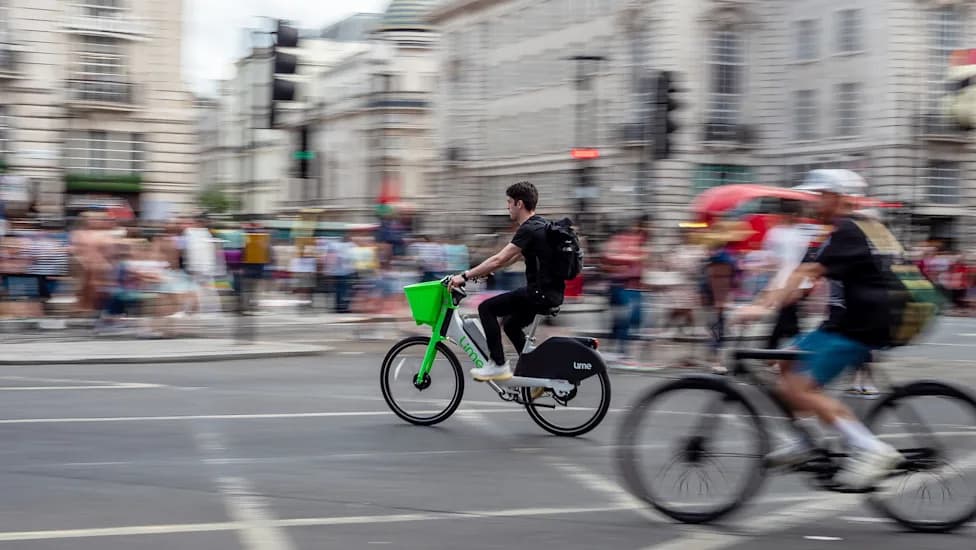
The changes to London’s streets — extensive bike lanes, camera-enforced Low Traffic Neighbourhoods (LTNs) and widespread 20mph limits — have radically slowed traffic in central areas. From the back of a taxi you can now crawl through the city and be overtaken by joggers. Recent reports even rank London among the slowest-moving capitals in the world. That is neither progress nor pleasure.
Bike lanes, once intended to encourage everyday cycling, now cut into the city’s major arteries. They are congested during peak times and mostly underused at other times; they rarely host children or family rides, and they fall far short of an Amsterdam-style culture. Cycling in London has become largely a peak-time, Lycra-clad monoculture.
Public Transport Isn’t Always The Answer
“Try the Tube,” some say. I have tried it. Too often the Underground feels like a battle zone — an experience that, for a man of my age, frequently proves too much. The result is a transport mix in which there is no viable option for people who must travel by car for work.
Faced with that reality, I moved to the United States last year — to a place where people who need to travel by car are not treated as pariahs. I am far from alone: more and more individuals who depend on rapid mobility appear to be drawing the same conclusion.
Wider Consequences
Transport policy is only one factor driving relocations, but the scale is striking. Nearly a third of the 350 individuals listed on The Sunday Times Rich List 2024 are reportedly no longer UK-based. Every day it seems another person boards a plane. For me, the inability to move around the city as required was the clinching factor — and the mayor does not appear particularly concerned.
This decision was not taken lightly. Britain is my home: where I grew up, was educated and chose to spend more than 25 years investing time and money. I personally invested £100m and helped raise a further £800m to found The Sutton Trust and the Education Endowment Foundation, promoting social mobility and changing the life chances of thousands of bright young people from less advantaged backgrounds. Those efforts also contributed to the creation of roughly 180 full-time graduate jobs.
To achieve those outcomes I needed to be mobile — to meet people, close deals, campaign and press politicians into action. I needed black cabs and roads they could use. I needed to get home without spending an hour stuck in a single lane of Park Lane traffic. In short, I needed a different kind of London.
Final Thoughts
Many commentators lament the lethargy of the British economy. A capital city where taxis are impeded and where wealth creators are leaving in significant numbers hardly encourages dynamism. Perhaps it is no coincidence that Britain, like its traffic, can feel stalled.
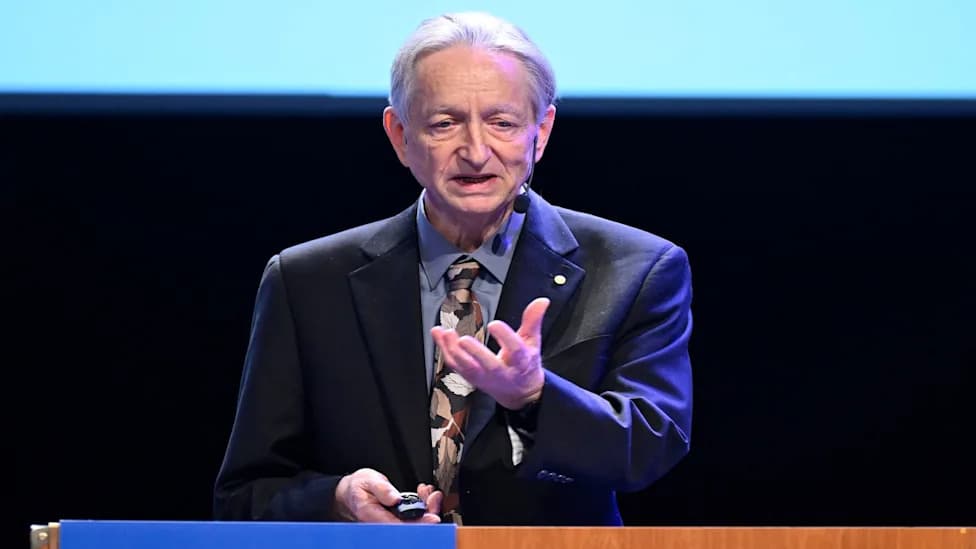
Sir Peter Lampl founded The Sutton Trust and the Education Endowment Foundation.
Help us improve.