Charles Booker, Kentucky’s Democratic Senate nominee, says confronting the state’s legacy of slavery and racial discrimination can help build broader coalitions around affordability and anti-corruption. A Louisville native and former state representative, Booker ties racial justice to economic policy and corporate influence, arguing his grassroots "Hood to the Holler" movement can unite voters across party lines. If elected, he would be Kentucky’s first Black U.S. senator.
Charles Booker: Confronting Kentucky’s Racial Past To Build A Coalition Around Affordability
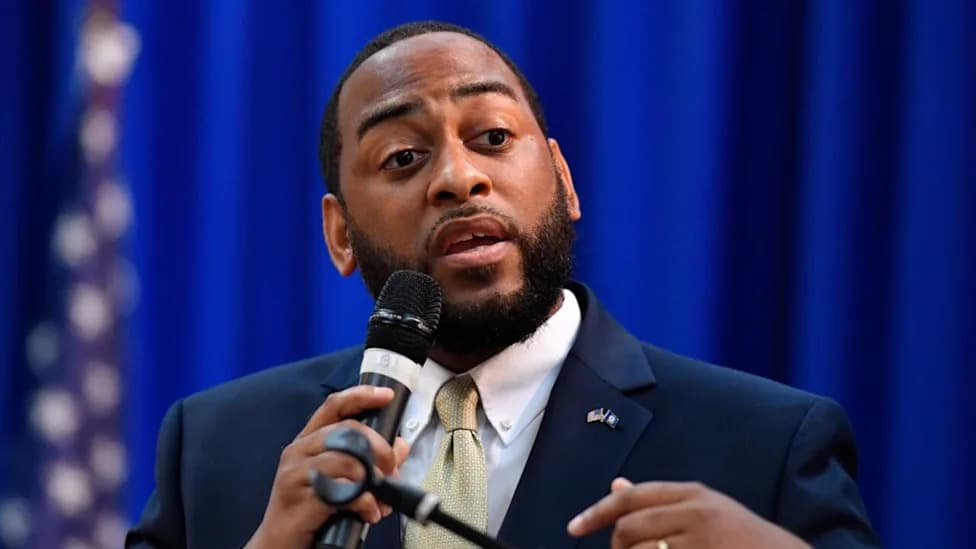
Democrat Charles Booker Speaks to a gathering of supporters as he announces his candidacy for the United States Senate at the Kentucky Center for African American Heritage in Louisville, Ky., Thursday, July 1, 2021. (AP Photo/Timothy D. Easley, file)
Charles Booker, the Democratic nominee for U.S. Senate in Kentucky, argues that confronting the state’s and nation’s history of slavery and racial discrimination can help unite voters around pressing economic concerns — from health care and housing to the rising cost of everyday goods.
Background and Stakes
Booker, a 41-year-old former Kentucky state representative and self-described preacher’s kid from Louisville, won the Democratic nomination and will face U.S. Rep. Andy Barr in the general election. He previously ran for the Senate in 2022 and lost to Sen. Rand Paul. If elected, Booker would become Kentucky’s first Black U.S. senator — a historic change in a state that is more than 84% white and has favored Republican candidates for federal office for decades.
A Personal Story With Political Purpose
Growing up in one of Kentucky’s poorest ZIP codes and as a multi-generation descendant of enslaved Kentuckians, Booker says his upbringing shaped a politics that links racial injustice to economic insecurity. “When you have a testimony, you want to tell it,” he told theGrio at the Congressional Black Caucus Foundation’s annual conference. "I'm excited to tell this story because I believe that winning this race is not only something that Kentuckians need; the country needs to see us win this way."
"It's in our soil, it's in our bones, it's generational, and, in a lot of ways, our path of healing as a country requires us to listen to the voices that are closest to the pain." — Charles Booker
Connecting Race, Power and Affordability
Rather than treating racial justice and affordability as separate issues, Booker ties them together: he argues that structural racism, concentrated political power, and corporate influence have combined to worsen the cost of living for working families. He highlights broad public concern about corruption — citing a September Gallup poll that found 89% of U.S. adults view government corruption as widespread — as a unifying grievance.
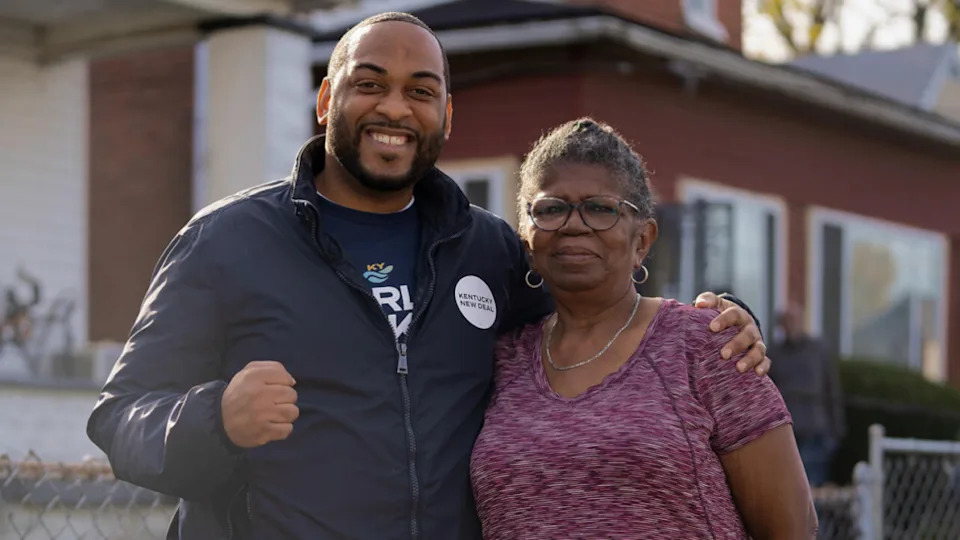
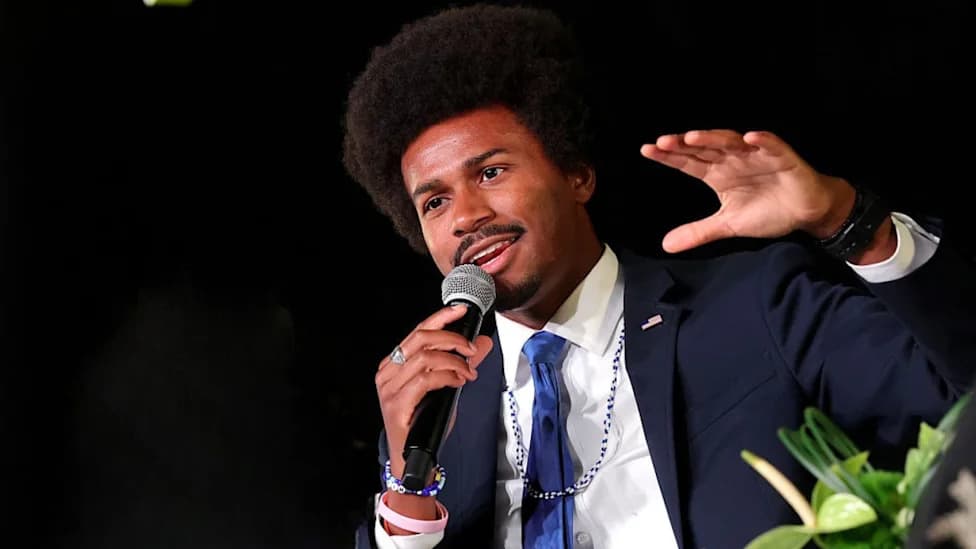
(Photo: Charles Booker for U.S. Senate)
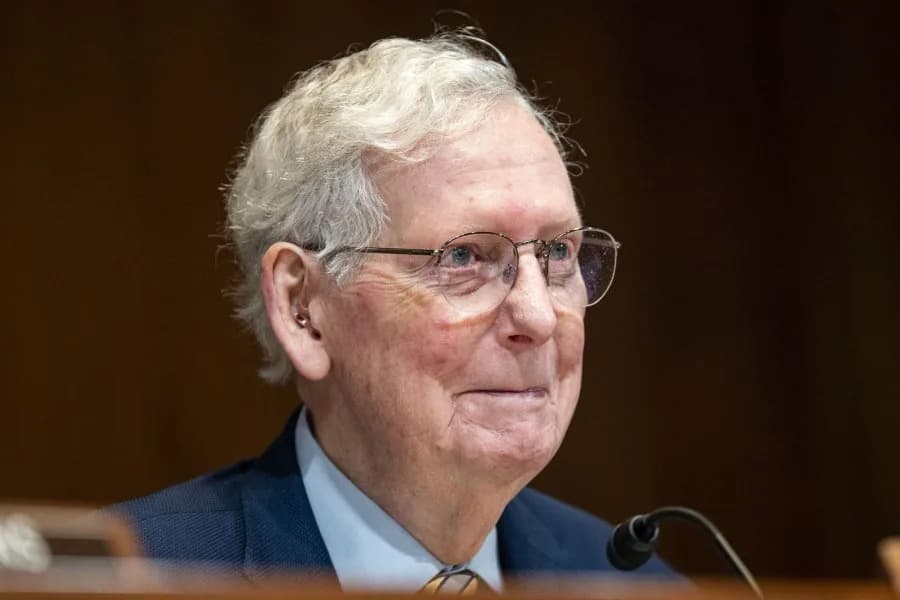
Booker has criticized prominent Republican figures such as Senate Republican leader Mitch McConnell and Rep. Andy Barr, arguing they support policies that preserve elite power and benefit well-connected corporations. He also pointed to companies tied to billionaire entrepreneurs — which, he noted, have received large government contracts — as part of a system that enriches a few while leaving many behind.
Building A Broad Coalition
Booker says his grassroots movement, "Hood to the Holler," transcends partisan labels. Though critics have called him "progressive," "socialist," and "radical," he emphasizes practical coalition-building: working with conservative lawmakers in the Kentucky legislature to pass bills and mobilizing supporters who have voted across the political spectrum.
He argues that connecting a shared economic story — including threats to rural hospitals, cuts to health-care support, tariffs that affect household costs, and other policy choices — can draw together voters who feel left behind by the status quo.
What’s At Stake
Booker frames the race as both local and national: a chance to address long-standing racial injustice in Kentucky while tackling affordability and corporate influence in Washington. Whether that message resonates in a state that voted strongly Republican in the 2024 presidential election remains the central question of his campaign.
Photo Credit: Charles Booker for U.S. Senate
Help us improve.