After Sen. Mitch McConnell returned to the Senate following a June 14 hospitalization, columnist Bonnie Jean Feldkamp interviewed Democratic challenger Charles Booker about health care. Booker — who has type 1 diabetes and has faced insulin rationing — argues every American should have the same reliable, affordable care McConnell received. Booker helped pass Kentucky’s Kevin’s law to allow emergency dispensing of life-saving medications; his opponent Andy Barr backed legislation that the CBO says could raise the uninsured by 7.5 million by 2034. A poll shows the Senate race tightened after voters learned more about both candidates, making the seat competitive.
McConnell Received Top Care — Charles Booker Says All Americans Deserve The Same

United States Senate candidate Charles Booker came to the Kentucky Democratic Party’s annual Forward Together Dinner.
Aug. 15, 2026
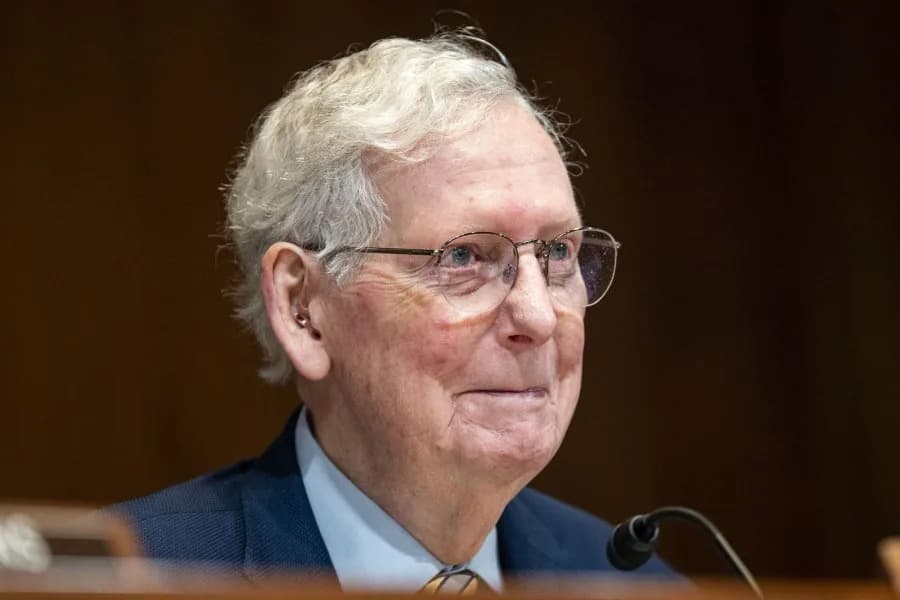
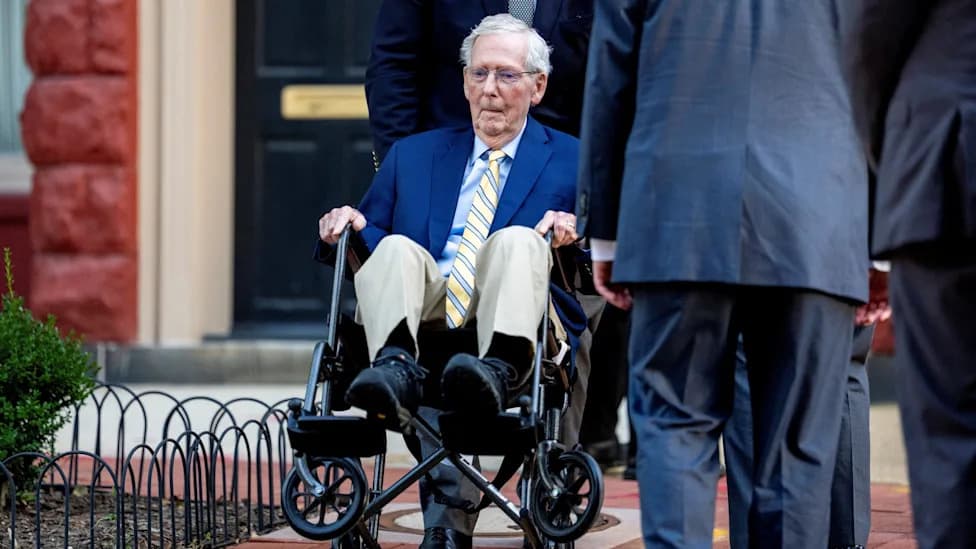
Last week the nation watched Sen. Mitch McConnell return to the Senate floor after an absence of nearly three months following his June 14 hospitalization. Whether McConnell is medically fit to serve is a matter of debate, but one clear fact stands out: when he needed care he had ready access to excellent medical treatment without worrying about cost, insurance coverage, or premium payments.
That kind of security is not the reality for millions of Americans.
Booker’s Case: Health Security For Everyone
The day before McConnell resumed his Senate duties, I spoke with Charles Booker, Kentucky’s Democratic nominee for the U.S. Senate. Much of our conversation focused on health care. Booker does not begrudge McConnell the care he received; his point is that every American should have the same reliable access to affordable, high-quality care.
Booker speaks from personal experience. He has been open about living with type 1 diabetes — watching his mother struggle to pay for his insulin as a teenager and later rationing his own medication as an adult while supporting his family. “No one should have to choose between paying bills and affording their medicine,” he told me.
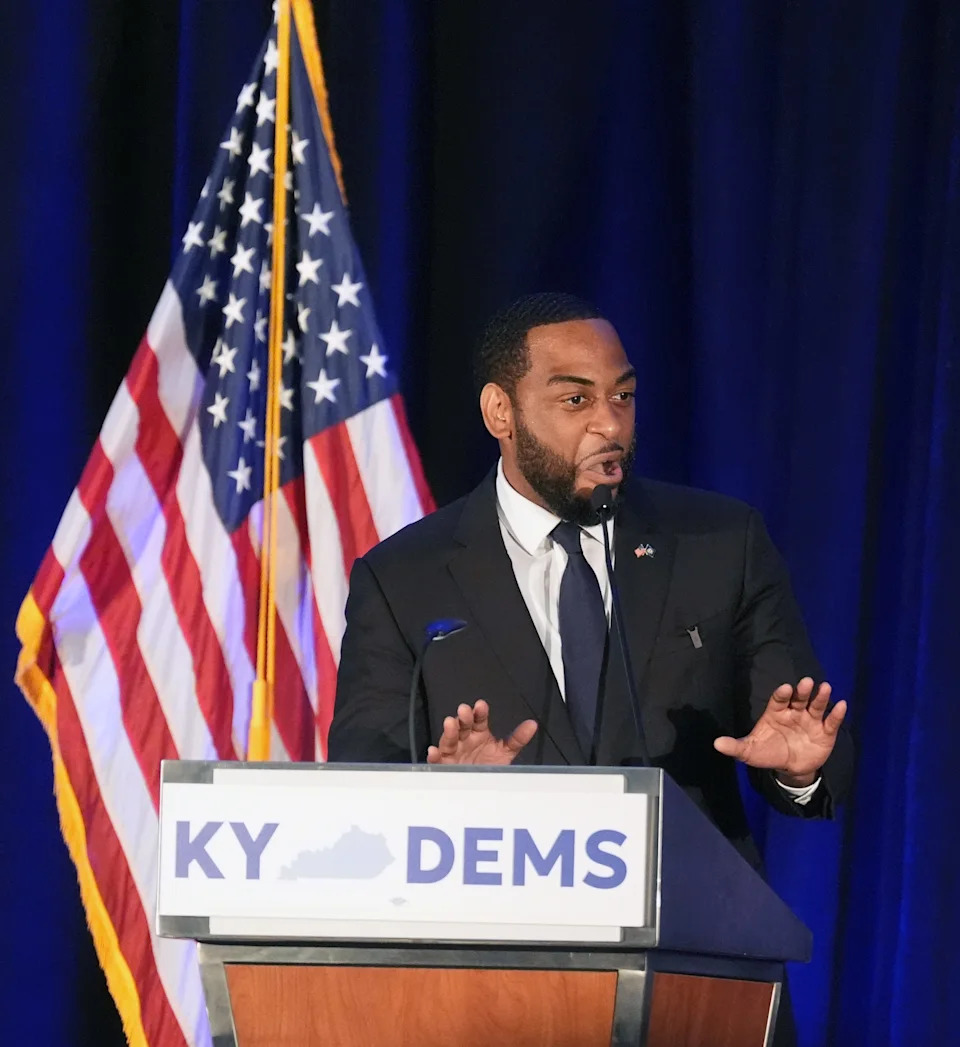
United States Senate candidate Charles Booker spoke at the Kentucky Democratic Party’s annual Forward Together Dinner.
Aug. 15, 2026
I am not diabetic, but I rely on biologic injections to manage autoimmune arthritis. Even with what most would call good employer-sponsored insurance, I have felt the stress of rising drug costs and coverage gaps.
Different Responses To Personal Tragedy
Booker’s opponent, Congressman Andy Barr, has also experienced medical hardship: his wife died at 39 from a heart condition, and he turned that loss into legislative action. The CAROL Act (Cardiovascular Advances in Research and Opportunities Legacy Act) was enacted in 2022, with McConnell backing the Senate companion bill.
But the two candidates have moved in different directions politically. Barr voted for the 2025 "Big Beautiful Bill Act." According to the Congressional Budget Office, changes to Medicaid under that law could increase the number of uninsured Americans by an estimated 7.5 million by 2034.
Practical Reforms: Kevin’s Law
By contrast, Booker has worked across the aisle in the Kentucky Legislature to pass what’s known as Kevin’s law. That state law allows pharmacists to dispense an emergency supply of certain life-saving medications when a prescription has expired or run out and the prescribing physician cannot be reached. For people who depend on insulin, inhalers or other critical drugs, this measure reduces the risk of dangerous rationing during holidays or weekends.
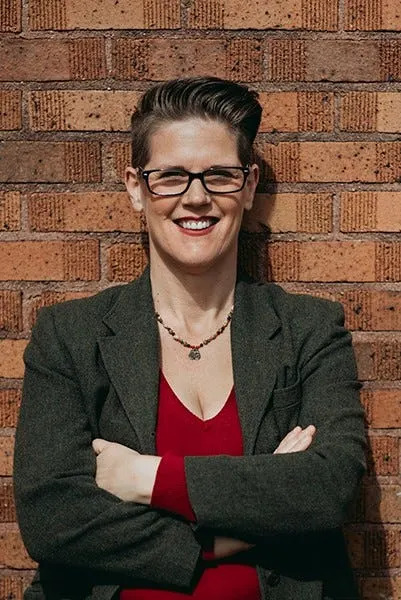
Bonnie Jean Feldkamp
“If you don't like that phrasing, call it whatever you want to call it,” Booker said when asked about his statement that health care is a human right. “I don't want you to have to go without medicine to keep your lights on.”
Booker has crisscrossed Kentucky meeting voters “from the hood to the holler,” emphasizing that party labels don't change the everyday needs of families. “We're at a point in time where the bottom's coming out for so many people, and they know they need help,” he said. “They know they need a government that works for them.”
Why This Race Matters
McConnell’s Senate seat is competitive. A poll of 600 likely Kentucky voters showed Congressman Barr ahead by nine points on initial questions, but the race tied at 43% each after respondents were given information about both candidates. That shift suggests persuadable voters are paying attention.
Booker’s record includes service on the Louisville Metro Council, time in the Kentucky Legislature, and a role as Director of Administrative Services for the Kentucky Department of Fish and Wildlife. He’s been visible during crises — from protests to catastrophic floods — and supporters say voters know him and his commitments.
Kentucky voters have shown they can split tickets: they supported President Donald Trump while electing Democrat Andy Beshear as governor. The upcoming midterms could similarly produce surprises if candidates connect on issues that affect everyday life.
Kentucky needs a senator willing to extend the type of quality care McConnell received to all residents — someone who will work across party lines to reduce drug costs, protect access to essential medicine, and address the structural gaps in our health system. Booker frames that work not as partisan politics but as basic humanity. “When we center humanity, bipartisanship can happen,” he said.
Bonnie Jean Feldkamp is a nationally syndicated columnist, the co-editor of the forthcoming anthology Fast Forbidden Women (Woodhall Press, 2027), a Louisville resident, and the former opinion editor of The Courier Journal. This column originally appeared in the Cincinnati Enquirer.
Help us improve.