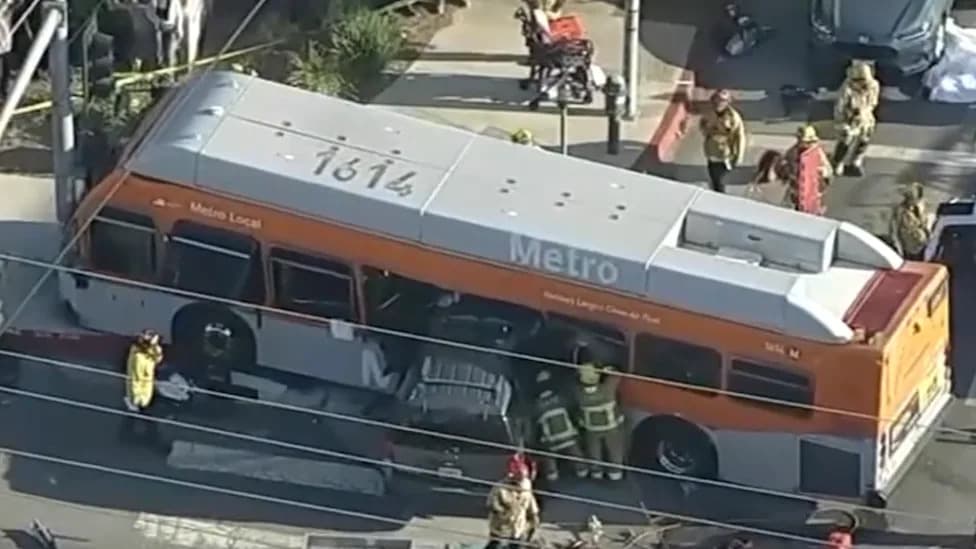
On Sept. 15 a 2004 Ford Expedition driven by Bailee Lynn Rios allegedly ran a red light in Chatsworth and struck an LA Metro bus, killing two passengers. Minutes later an NBC4 news helicopter covering the crash went down a few blocks away, killing two crew members and a bystander. Rios is charged with two counts of second-degree murder, DUI and reckless driving; prosecutors are waiting for the NTSB's findings before deciding whether to seek charges connected to the helicopter deaths because the cause of that crash will determine whether the deaths are legally linked to the SUV collision.
Chatsworth Crash Kills Five: Driver Charged In Two Bus Deaths, Helicopter Victims Await NTSB Findings
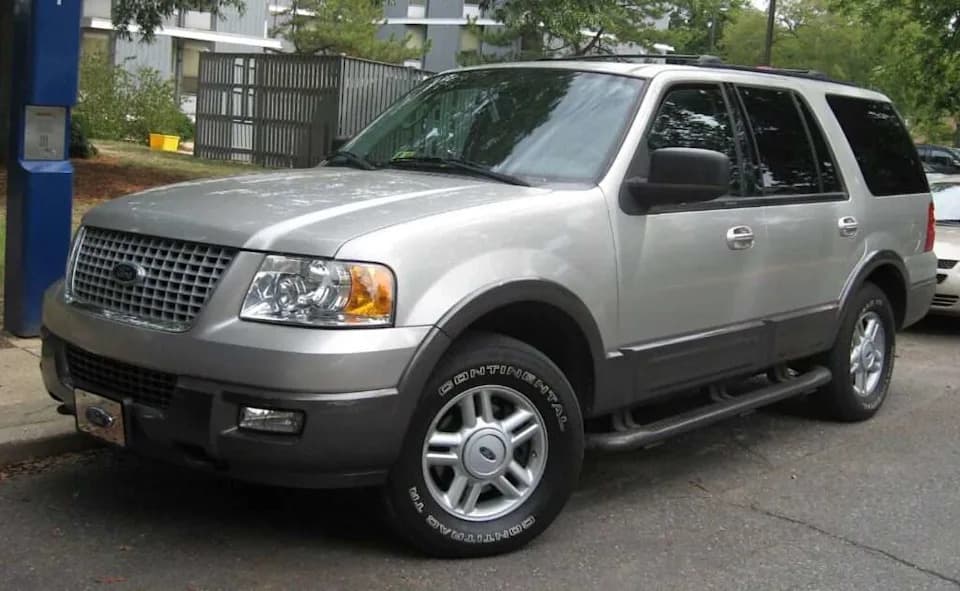
A 2003-2006 Ford Expedition, the same generation as the SUV in the Chatsworth crash. This is not the vehicle involved. Photo: IFCAR / Wikimedia Commons (Public domain)
Five people died in Chatsworth on the evening of Sept. 15 after an SUV collided with a Los Angeles Metro bus and, minutes later, a news helicopter covering the scene crashed a few blocks away. Prosecutors have charged the driver they say caused the initial collision with murder — but so far only for the two people who died on the bus.
What Happened
The Los Angeles County District Attorney's Office says Bailee Lynn Rios, 36, of Simi Valley, was driving a 2004 Ford Expedition when she crossed into the wrong lane on De Soto Avenue, ran a red light and broadsided a Metro bus. Two bus passengers — Daniel Castillo, 46, and Gage Weida, 31 — were killed and six others were injured. Firefighters extricated Rios from the vehicle; local TV reported narcotics were found in the SUV and that she has prior drug convictions and a history of driving on a suspended license.
The Helicopter Crash
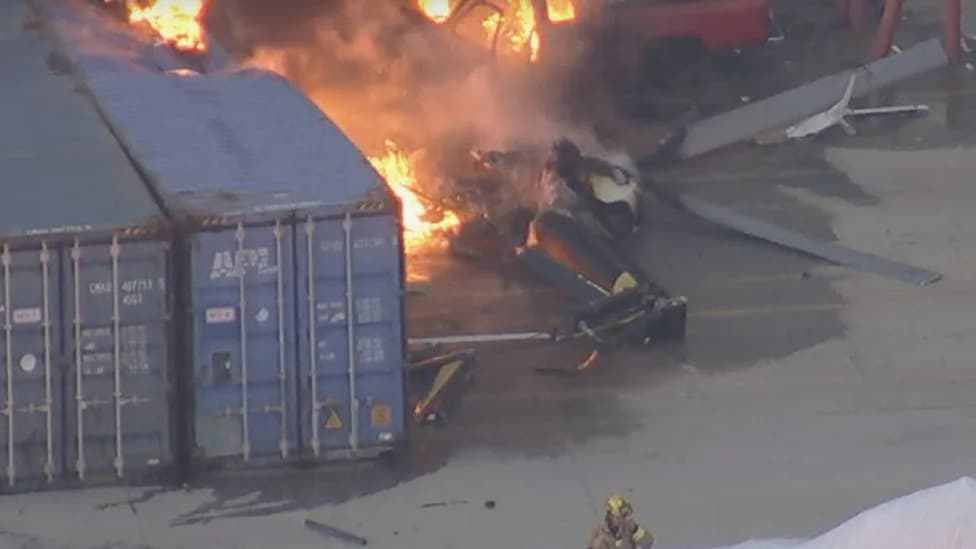
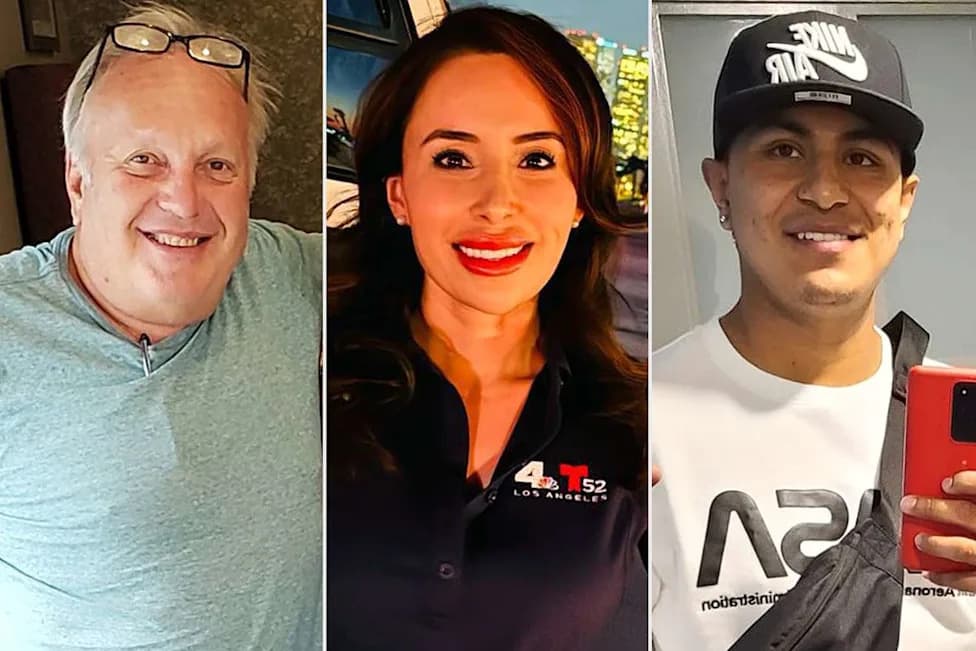
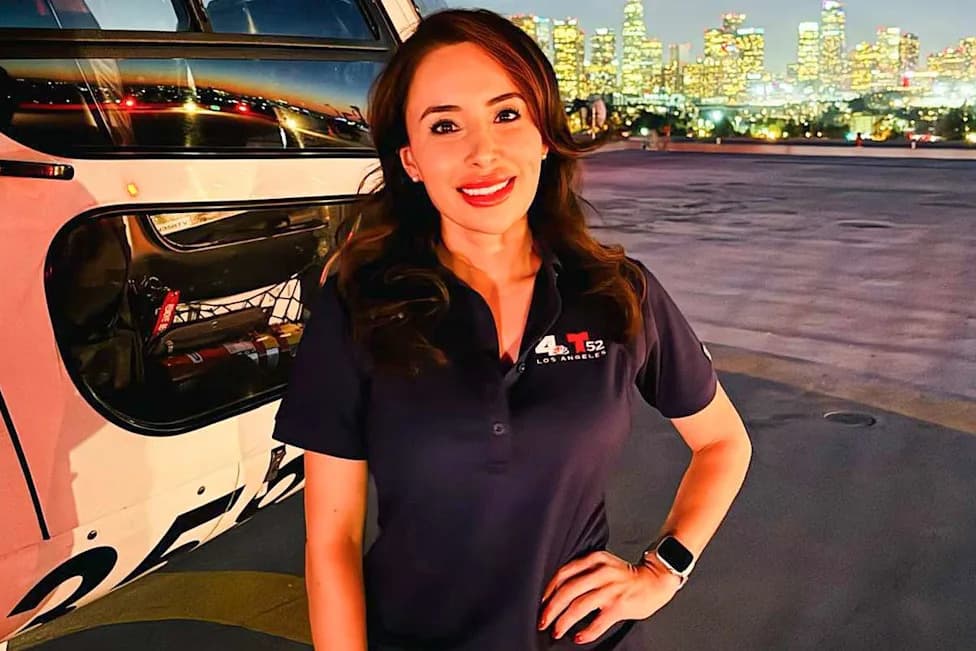
Minutes after the bus collision, NewsChopper4, operated for NBC4 and Telemundo 52 by contractor Angel City Air, was hovering near the scene. The AS350 B2 helicopter went down between two commercial buildings on Mason Avenue near Nordhoff Street. Onboard were reporter Eliana Moreno, 38, and pilot George Marciniw; both were killed. A bystander on the ground, 29-year-old Edy Gutierrez Mejia, also died. Two other people on the ground were injured.
Video recorded by the helicopter's onboard camera reportedly captured sounds consistent with an engine winding down and a low-rotor-RPM warning before the pilot attempted an autorotation. NTSB investigator Fabian Salazar called that footage "probably the most important piece of evidence" so far.
Why Prosecutors Are Waiting
Rios faces two counts of second-degree murder, along with DUI and reckless driving charges; bail was set at about $4 million. But Los Angeles County District Attorney Nathan Hochman has said his office will wait for the National Transportation Safety Board's federal investigation before deciding whether to pursue additional charges related to the helicopter deaths.
That delay reflects a central legal question about causation. To hold someone criminally responsible for a death, prosecutors generally must show (1) the death would not have occurred but for the defendant's conduct, and (2) the death was a foreseeable result of that conduct without an intervening cause breaking the chain. While the bus collision clearly brought the helicopter to that location, a mechanical failure in the helicopter could be argued in court to be an unforeseeable intervening cause that severs legal responsibility.
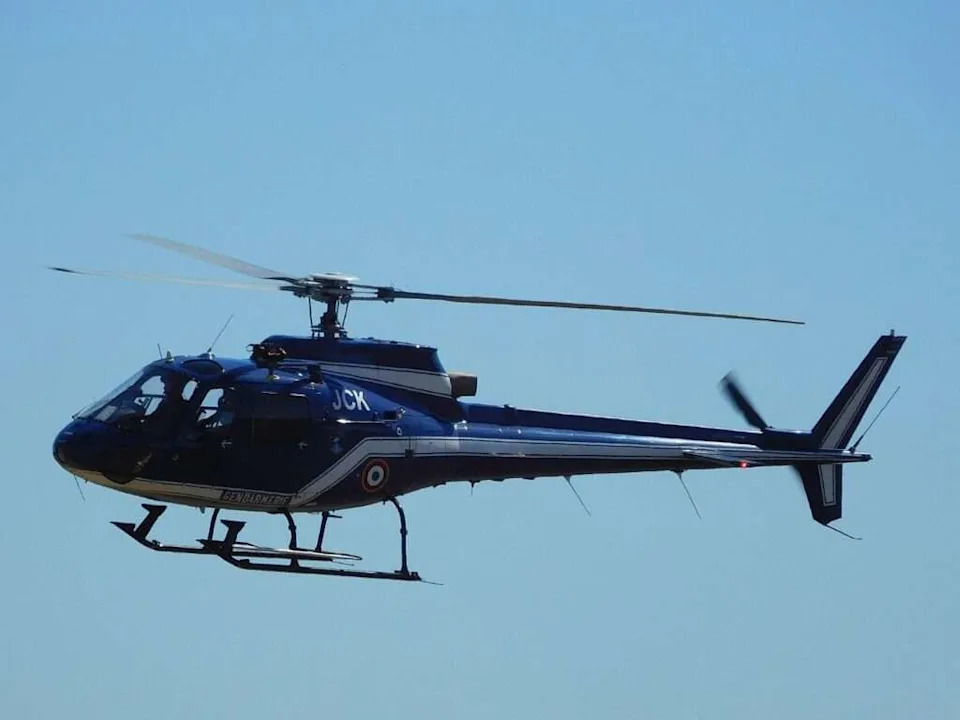
An AS350-family helicopter, the same type flown by the NBC4 news crew. This is not the aircraft involved. Photo: Cjp24 / Wikimedia Commons (CC BY-SA 4.0)
Legal Theory: "Implied Malice" and Watson Murders
California law allows prosecutors to charge an impaired driver with murder under the doctrine of "implied malice" when the driver acted with conscious disregard for human life. These prosecutions are often called "Watson murders" after the 1981 California Supreme Court decision People v. Watson.
Prosecutors frequently rely on prior DUI convictions accompanied by a statutorily required warning (California Vehicle Code Section 23593) to help prove a driver's awareness of the risk. Reports indicate Rios's prior record involves drug offenses and a suspended license rather than a prior DUI, so prosecutors may need to rely on other evidence from her past and her conduct the night of the crash to prove implied malice.
Human And Policy Dimensions
Rios has not yet been arraigned; local reporting says she missed court three times for medical reasons and was once transported to the courthouse by ambulance. The five families affected face profound grief and many unanswered questions.
This episode also underscores broader policy debates about preventing impaired driving. Federal rulemaking has aimed to require technology that can detect and block impaired driving in new vehicles, but a 2004 Ford Expedition would not have had such systems.
As investigators continue their work, the case highlights both the practical and philosophical questions that arise when a single crash triggers a chain of events with deadly consequences: who should be held responsible, and how should the law address unforeseeable intervening events?
Help us improve.