The KNBC news helicopter that crashed in Chatsworth on Sept. 15 is shown in newly released exterior footage plunging rapidly before impact and igniting. Investigators say both the exterior video and the helicopter’s live-stream are vital to determining why the aircraft descended so quickly. Aviation analysts cite engine failure as a leading hypothesis while the NTSB works to secure clearer recordings and examine the wreckage; a preliminary report is expected in about a month.
New Exterior Footage Shows KNBC Helicopter Plummeting Before Fatal Chatsworth Crash; Families Mourn
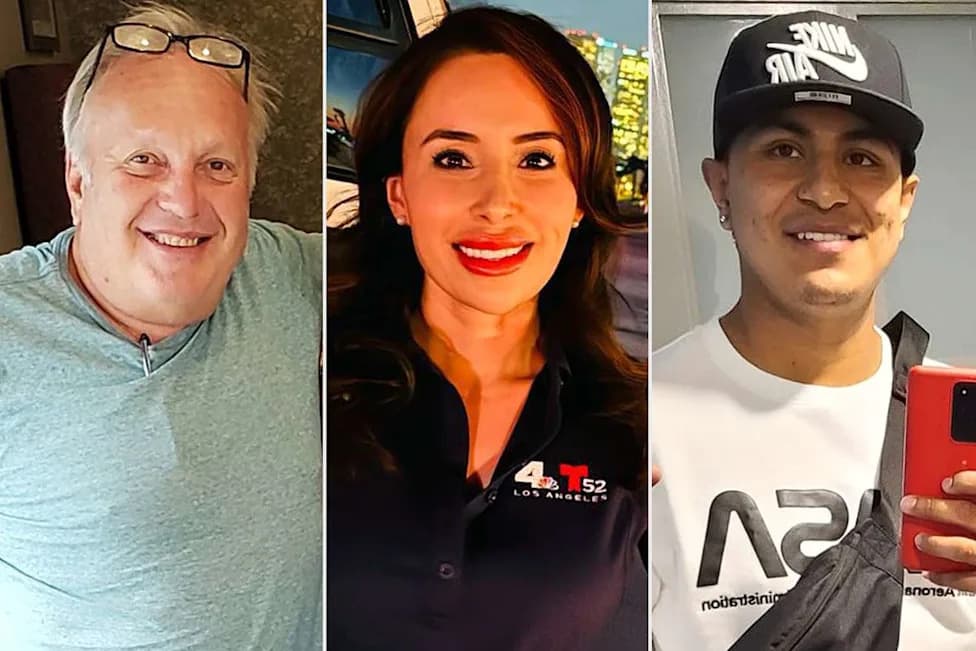
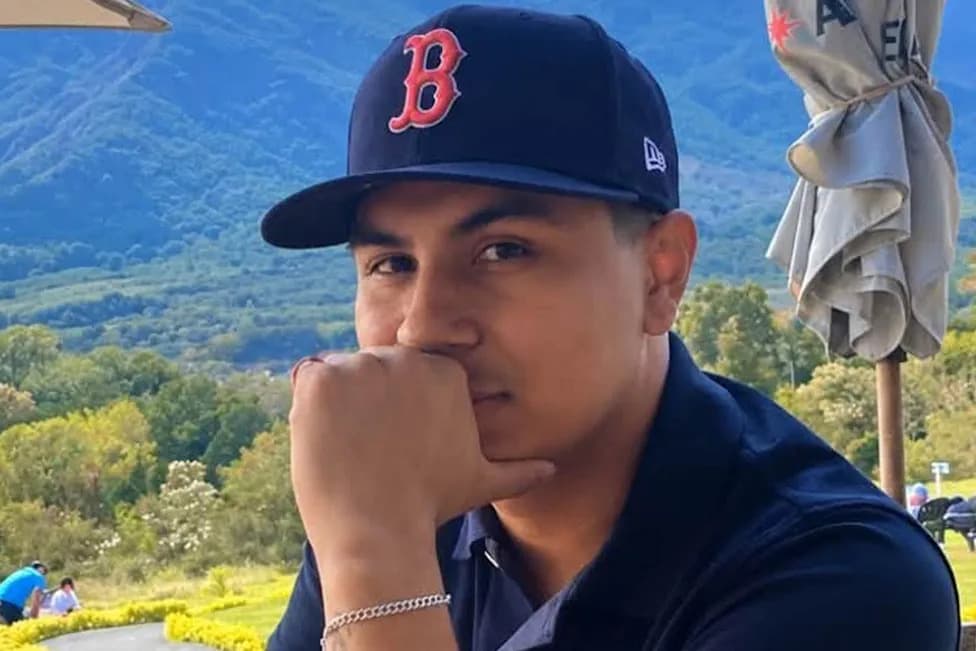
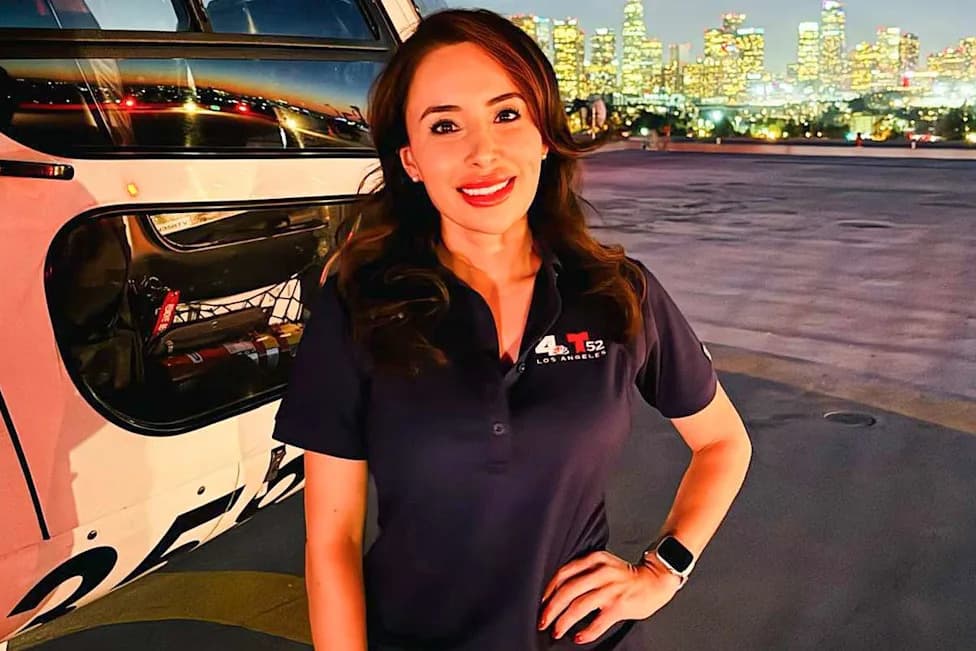
From left: George Marciniw; Eliana Moreno; Edy Gutierrez Mejia.Credit: George Marciniw/Facebook; Eliana Moreno/Instagram; Edy Gutierrez Mejia/Facebook
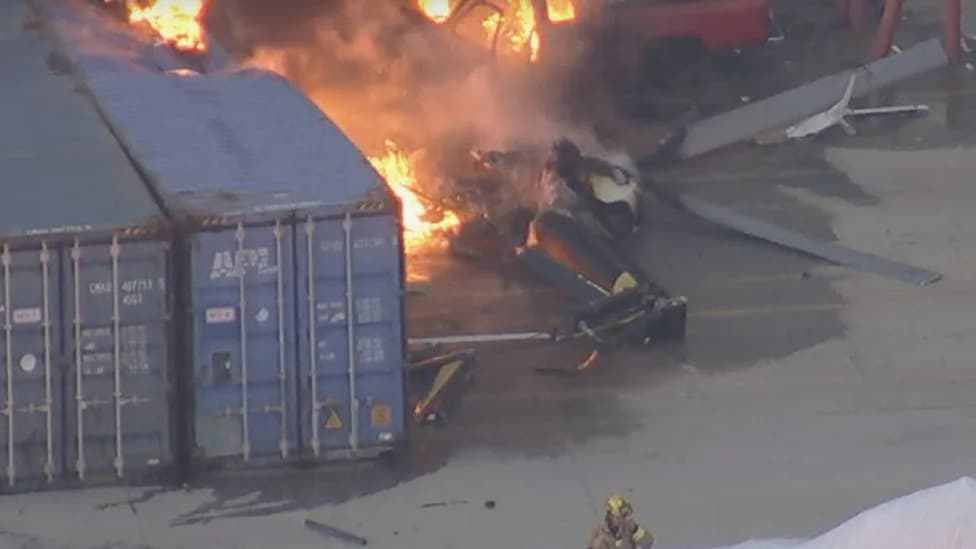
Newly circulated exterior footage of the KNBC news helicopter crash in Chatsworth on Sept. 15 shows the aircraft descending rapidly before it struck the ground and erupted in flames, killing three people and leaving the community in shock.
What the Video Shows
The clip, recorded by a nearby fixed camera, captures the helicopter losing altitude at a high rate of descent and disappearing behind a commercial building as flames and a thick plume of black smoke rose from the impact site at 9151 N. Mason Avenue. The crew had been covering a fatal bus collision in the area at the time.
Evidence and Investigation
Aviation analysts and officials say both the exterior footage and a separate recording from the helicopter's live stream are key pieces of evidence for the NTSB investigation. Jeff Guzzetti, an aviation analyst for NBC News and a former NTSB air safety investigator, told KNBC that the video's depiction of a "very high rate of descent" should help investigators determine what happened.
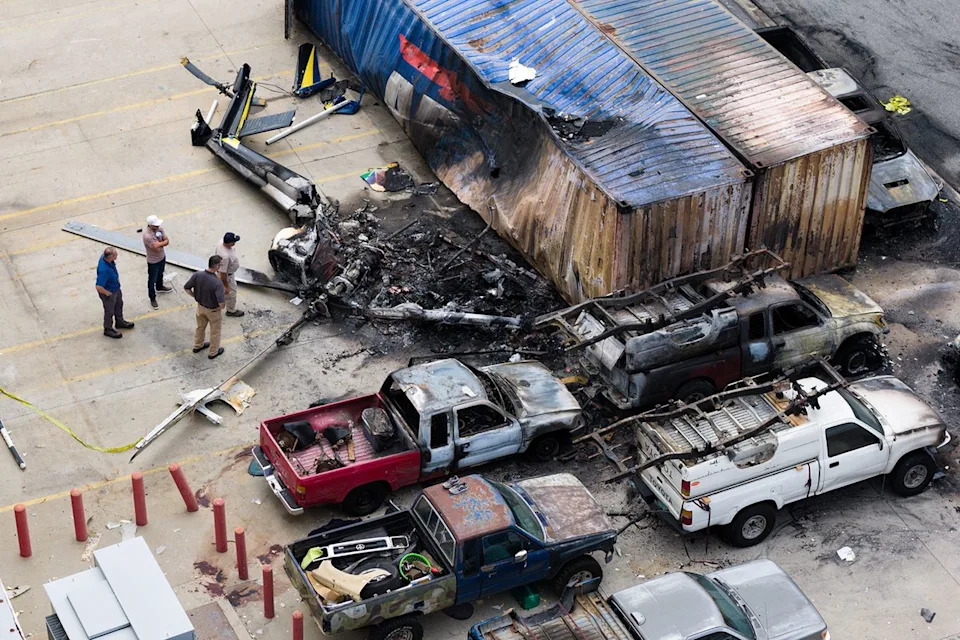
The scene of the deadly KNBC helicopter crash in Los Angeles.Credit: Kayla Bartkowski / Los Angeles Times via Getty
"The video that was actually taken while the reporter was doing live coverage... that video is probably the most important evidence that we have discovered so far," said Fabian Salazar, NTSB Investigator in Charge.
Investigators say audio from the live stream contains sounds consistent with the engine changing speed and tones that may have been cockpit advisories. Analysts quoted by local outlets have suggested engine trouble is a leading hypothesis, but officials emphasize that the cause — whether fuel starvation, mechanical malfunction, or another factor — remains under investigation.
Next Steps
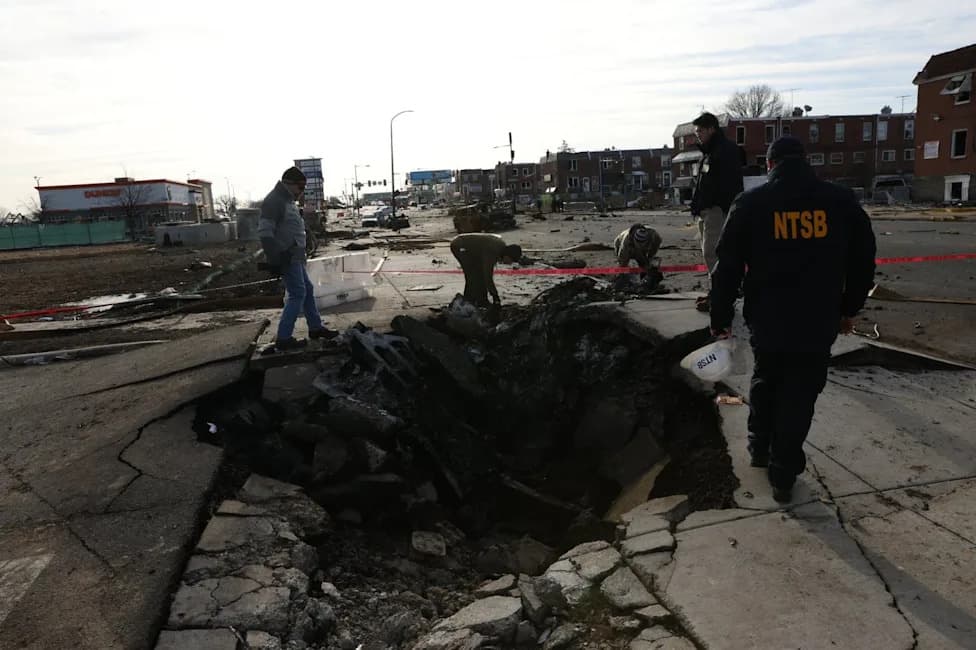
The NTSB is seeking clearer copies of the live-stream and other footage from the public and will examine the helicopter wreckage at a specialized facility. Authorities typically issue a preliminary report about a month after an accident, while a final report can take up to 18 months.
Victims and Tributes
KNBC confirmed reporter Eliana Moreno and pilot George Marciniw died in the crash; a third victim on the ground was later identified by the Los Angeles County Medical Examiner as 29-year-old Edy Gutierrez Mejia, who had recently arrived from Guatemala. Tributes and condolences poured in from family, colleagues and the community.
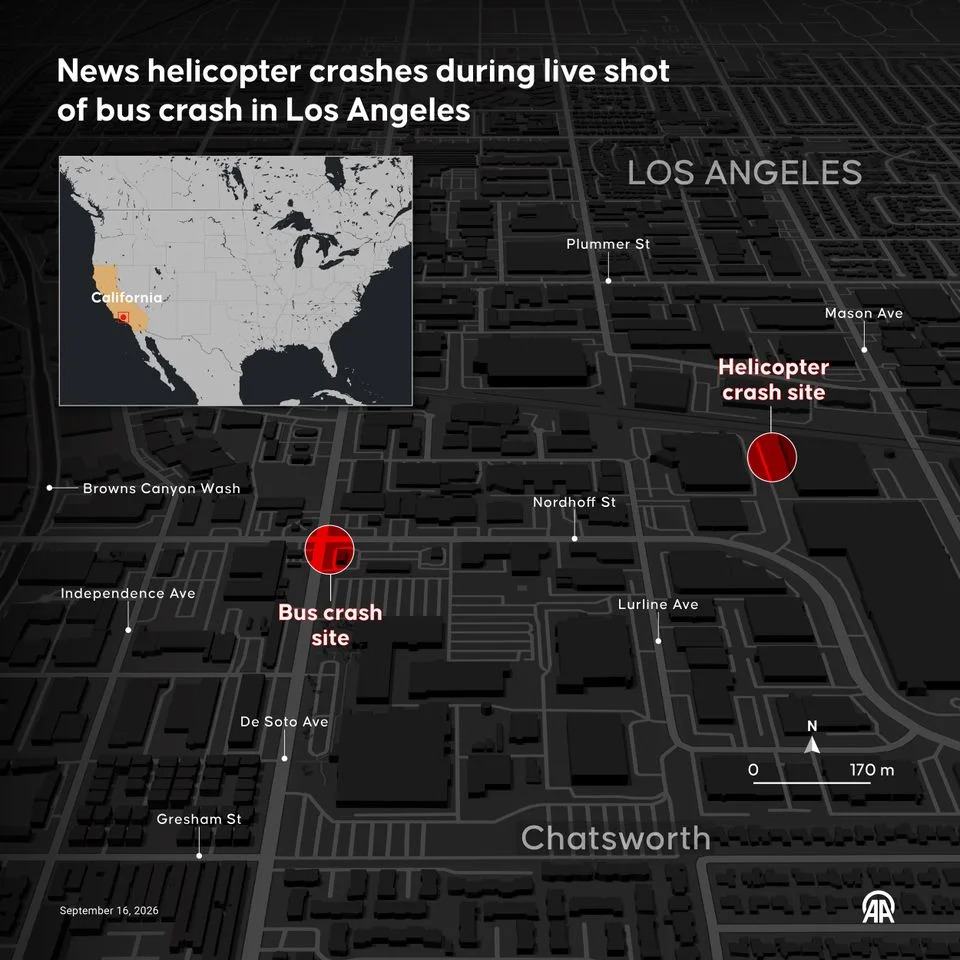
An infographic showing the locations of the fatal bus and chopper crash on Sept. 15.Credit: Elif Acar/Anadolu via Getty
In a message shared by her brother, Moreno’s family wrote, "We are infinitely proud of her and feel incredibly blessed to have had the privilege of loving her and calling her ours. Please continue to keep Eliana, her pilot George, Edy Gutierrez Mejia, and the souls lost in the bus collision in your thoughts and prayers. Thank you from the bottom of our hearts."
Why This Matters
The combination of exterior and cockpit footage may provide investigators with crucial visual and audio clues about the helicopter's performance in the moments before impact. While preliminary analysis by experts points to possible engine issues, only a full investigation of recordings, maintenance history, fuel records and wreckage will reveal the cause.
What You Can Do: The NTSB has asked the public to share any video or audio that could aid the investigation. Anyone with footage from the area at the time is encouraged to contact investigators.
Help us improve.