DOJ has subpoenaed current and former FBI agents tied to the Mar‑a‑Lago documents probe to testify before a grand jury. The agents asked Judge Aileen Cannon whether they may discuss Volume II of Special Counsel Jack Smith’s report — a volume Cannon has kept sealed and barred DOJ from disclosing outside the department. DOJ has reportedly told agents’ counsel that testimony is permissible, forcing Cannon to reconcile her prior order with the new authorization. The motion also advances several strategic aims for the agents, and the dispute is unfolding amid broader election‑season legal and political clashes.
Aileen Cannon In A Pickle: DOJ Subpoenas Mar‑a‑Lago FBI Agents Over Sealed Volume II

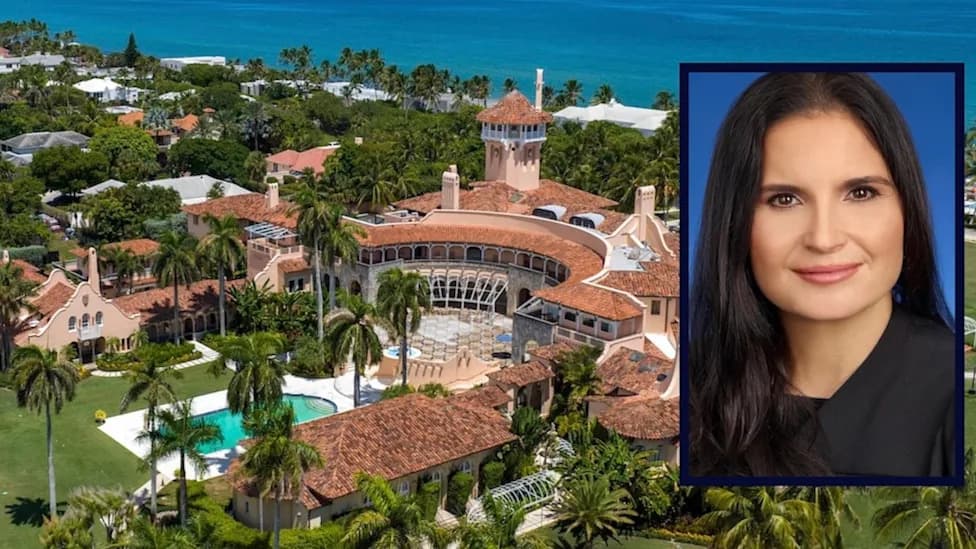
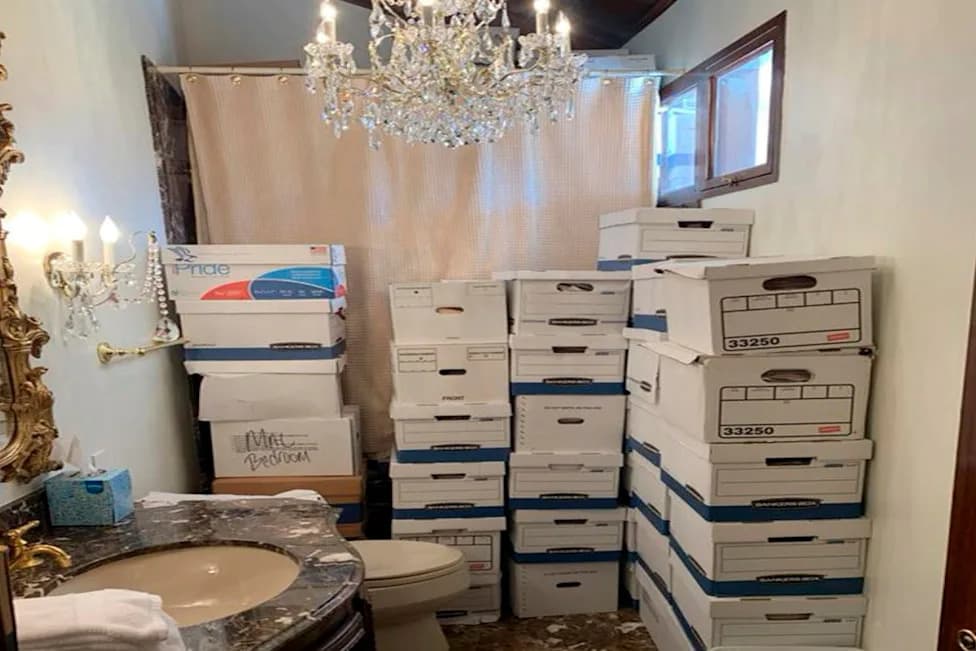
Late‑week developments in the long, contentious inquiry tied to the Mar‑a‑Lago documents have put U.S. District Judge Aileen Cannon in an awkward position. The Department of Justice has subpoenaed a group of current and former FBI agents who worked on the Mar‑a‑Lago investigation to testify before a grand jury — testimony that may implicate the sealed Volume II of Special Counsel Jack Smith’s report.
What prompted the court filing
Yesterday, the agents' lawyers filed a motion asking Judge Cannon to clarify whether their clients may testify about Volume II. Cannon has kept that volume sealed for years and ordered DOJ not to disclose its contents outside the department — a restriction that would logically extend to grand jurors and, arguably, even to defense counsel for the agents.
Why this matters
On its face, the filing is a protective measure: it seeks to shield the agents from being caught between refusing to testify and violating Cannon’s sealing order (or being forced to invoke the Fifth Amendment). But by raising the issue publicly, the filing does much more. It places Cannon and DOJ in a direct bind because the government previously took the position that even Special Counsel Smith could not testify about Volume II to Congress. The demand for testimony now — driven in part by political pressure to "investigate the investigators" — conflicts with that earlier posture.
DOJ response and strategic effects
According to the agents' lawyers — including Abbe Lowell, Mark Zaid, and Margaret Donovan — DOJ has reversed course and told counsel that it is permissible for the agents to testify about the relevant matters. That leaves Cannon to reconcile her prior order with the new authorization for testimony. The filing also helped the agents in several tactical ways: it revealed new procedural details about the "grand conspiracy" probe, gave the agents a public forum to assert the propriety of their work, began building a record for potential future claims of vindictive prosecution, and created material that could shape how appellate judges view the case, including at the 11th Circuit.
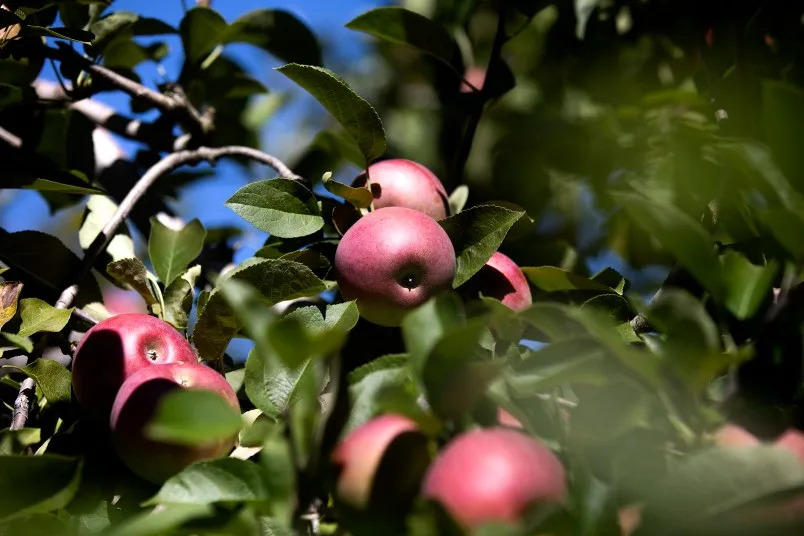
NORTH YARMOUTH, ME – SEPTEMBER 17: Apples fill a tree at Hansel Orchards on Maine Apple Day. (Staff photo by Derek Davis/Portland Press Herald via Getty Images)
Broader election‑season context
Observers view this legal maneuvering as part of a larger pattern of election‑season actions and messaging: from contested voter‑fraud claims and administrative moves to high‑profile immigration and media fights. Examples cited this week include:
- DHS initially claimed nearly 16,000 noncitizen voters in Nevada, but that figure was pared back to 185 suspected cases — and Nevada officials later confirmed that everyone on the reduced list was a U.S. citizen.
- A media report said a senior DOJ official warned prosecutors they could be fired if they declined to pursue election‑fraud cases, echoing past politicized DOJ controversies.
- The State Department is reportedly considering limited access for state and local officials — and possibly some nonprofits — to passport records to help verify voter citizenship, though details remain unclear.
- The White House aired a 30‑second pro‑Trump television spot labeled "Paid for by the U.S. Government," and the ad used a song without the artist's authorization; the administration has not disclosed the ad’s funding source.
- Press access remains a flashpoint: reporters from several outlets regained White House hard passes after a court order, yet some networks continue to boycott the TV pool pending restored duties for all outlets.
Other legal and immigration developments
The administration also scrambled to halt third‑country deportations after an appeals court blocked the policy; DOJ sought emergency relief at the Supreme Court while officials removed some deportees from flights. Separately, a Defense Department email reviewed by Bloomberg Law says DOJ is temporarily assigning military attorneys to support immigration enforcement surges in several U.S. cities.
In New York litigation, a federal judge sharply criticized conditions at an immigrant detention facility, calling them "dreadful" and "squalid." And in the Broadview 6 matter, federal prosecutor Sheri Mecklenburg abruptly resigned ahead of a contempt hearing, asserting she had followed instructions from her U.S. Attorney — disclosures that preceded the dismissal of a related case after alleged grand‑jury misconduct came to light.
A lighter note
Scientific American published a delightful feature on how researchers traced the origins of an ancient apple tree — a pleasant counterpoint to the week's legal and political turmoil.
What’s next: Judge Cannon’s response will determine whether the agents can testify and how the sealed status of Volume II is enforced. The 11th Circuit is also weighing long‑standing efforts to unseal Volume II; oral arguments there have been repeatedly postponed and are currently tentatively scheduled for January.
Help us improve.