Lisa Carroll, 47, from Coventry was diagnosed in late 2021 with mucinous ovarian cancer after a cyst on her right ovary grew rapidly from 12cm to 20cm and began to rupture. Emergency surgery removed the tumour and surrounding tissue, and she subsequently had further operations and chemotherapy. Carroll lost her hair and was thrust into early menopause, a side effect she found especially hard to manage. Now cancer-free and nearing a five-year milestone, she is supporting Ovacome and urging women to trust their instincts and seek medical help.
Football-Sized Tumour Led To Life-Saving Diagnosis — Mum-of-Three Urges Women To Trust Their Bodies
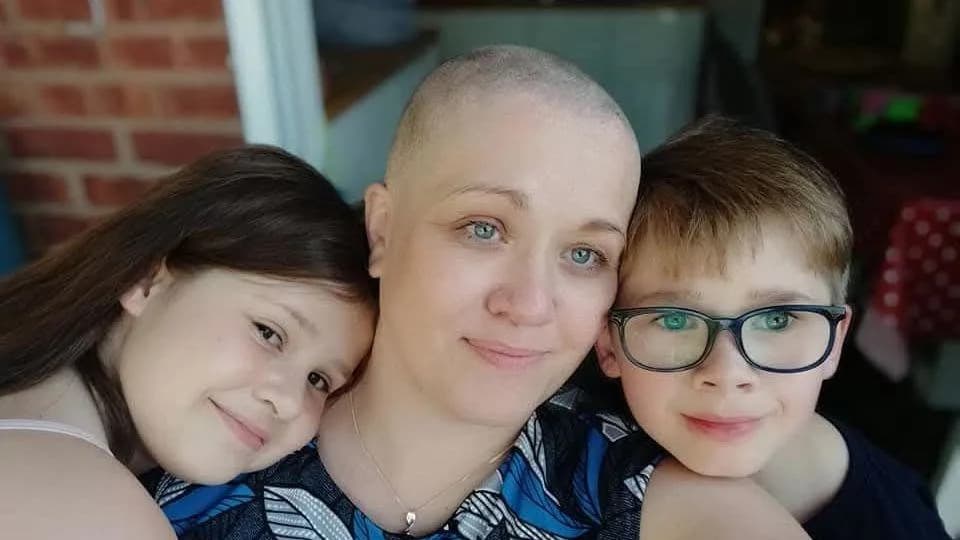
Lisa Carroll was only 41 was she was diagnosed with the rare form of ovarian cancer [Lisa Carroll]
Lisa Carroll, 47, a mother of three from Coventry, thought she had a minor digestive complaint after returning from a family holiday in August 2021. What began as suspected IBS or a kidney infection turned out to be mucinous ovarian cancer (MOC), one of the rarest forms of ovarian cancer in the UK.
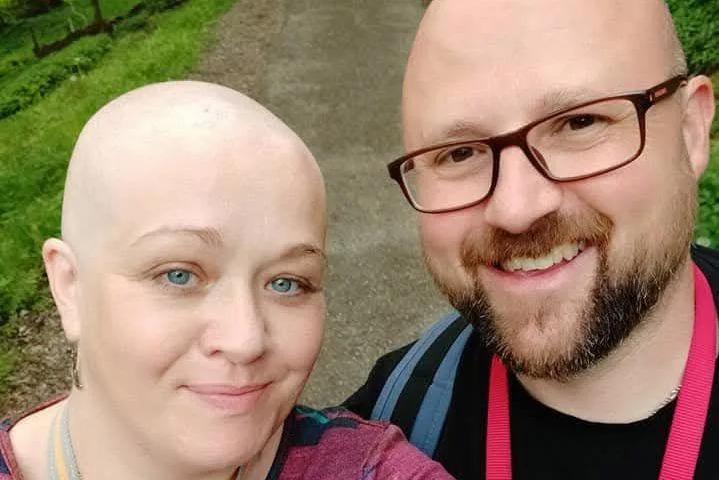
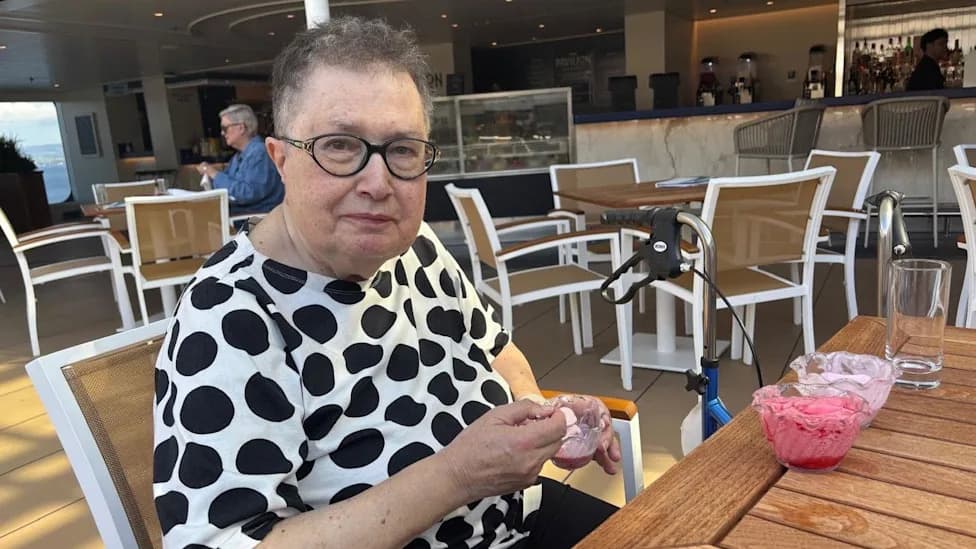
Next year, Carroll and her husband are looking forward to celebrating their 20th wedding anniversary [Lisa Carroll]
After contacting NHS 111, Carroll was admitted to a Coventry hospital where clinicians found a cyst about 12cm across on her right ovary. Initially the cyst was not deemed highly suspicious and she was placed on a waiting list for surgery. Within weeks the mass grew rapidly: "Within a month, a cyst the size of a fist had grown to the point that I could feel it like a football in my stomach," she recalled. Pain, discomfort and exhaustion intensified.
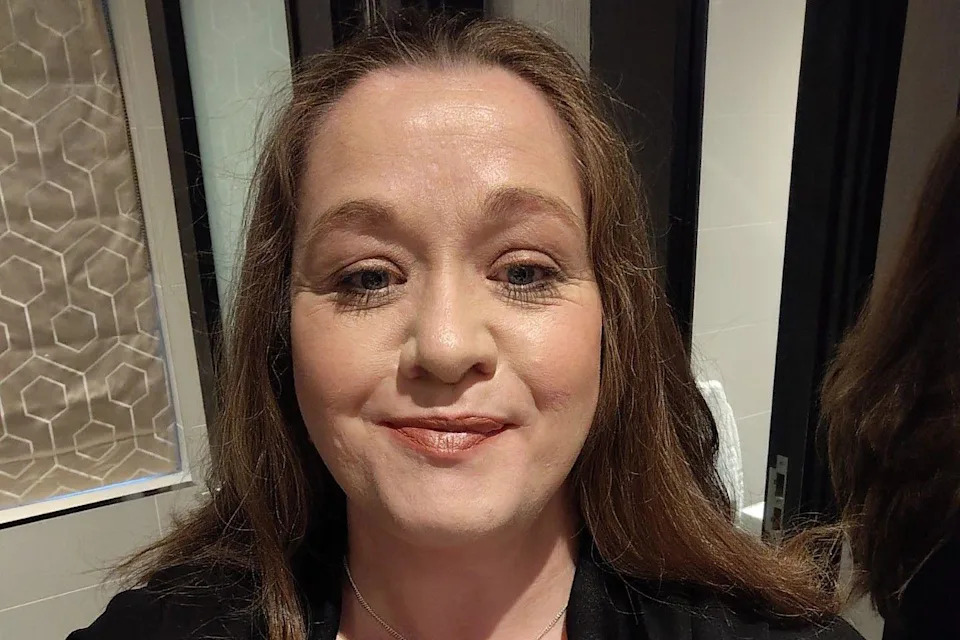
Following surgeries and chemotherapy, Carroll is approaching her five-year anniversary of being cancer free [Lisa Carroll]
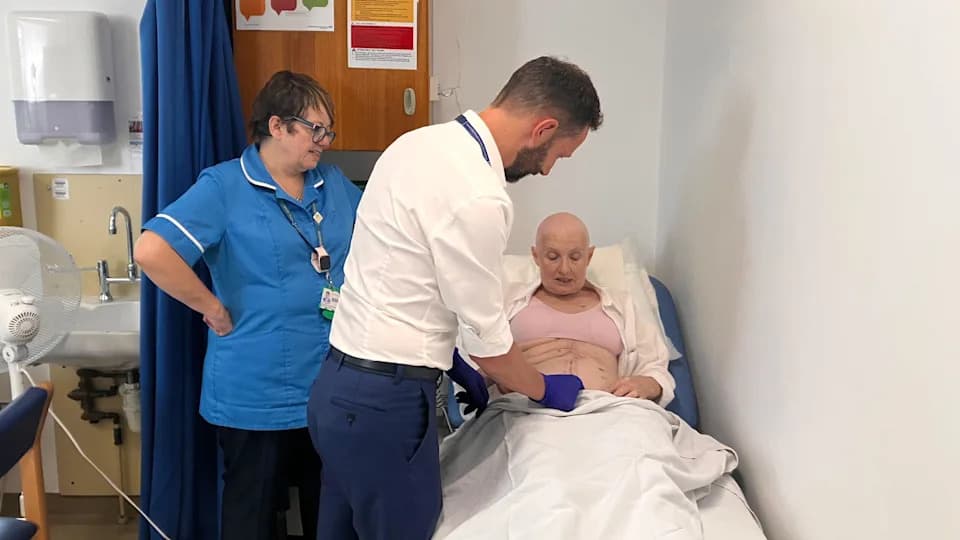
By December, scans showed the growth had reached 20cm and was beginning to rupture. Three days later Carroll underwent emergency surgery to remove the tumour along with a fallopian tube, her appendix and surrounding tissue. Two weeks after the operation doctors confirmed the cancer diagnosis, and she went on to have further treatment including chemotherapy.
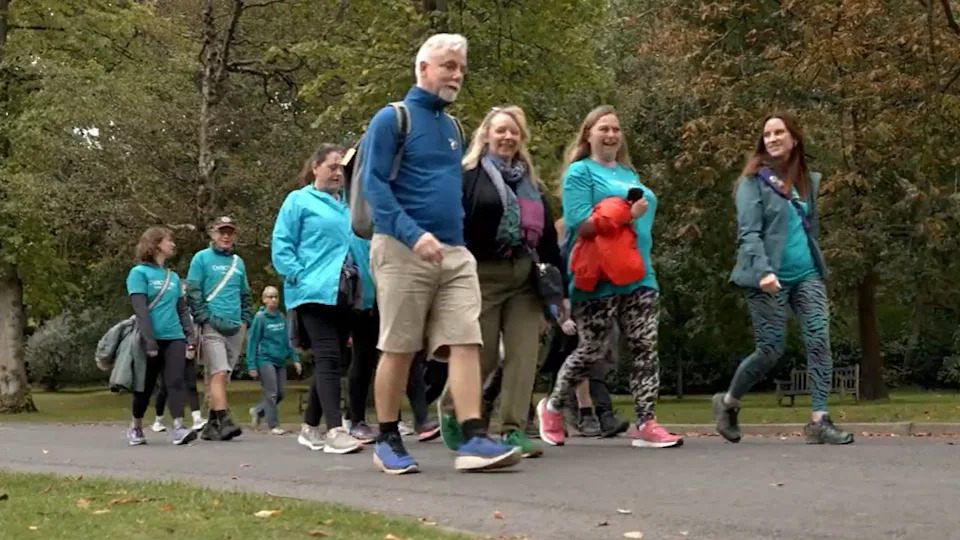
The Ovacome charity is hosting a fundraising walk in Cannon Hill Park, Birmingham on Saturday [Ovacome]
Hardest Part: Early Menopause
Carroll lost her hair during treatment, but she says the most difficult effect was being thrown into an early menopause. "I didn't know what was depression and what was menopause," she said. She described debilitating hot flushes, memory lapses and overwhelming emotion: "I couldn't open the washing machine, the dishwasher or the oven. I couldn't cook on the hob because I'd get an awful hot flush. I was forgetting words. I was incredibly emotional."
"They became my safe space. They helped me to connect with other people who understood what I was going through," Carroll said of the support she received from Ovacome.
Ovacome, an ovarian cancer charity, says mucinous ovarian cancer is exceptionally uncommon — roughly 200 cases are diagnosed each year in the UK. Carroll believes the unusually rapid growth of her tumour is what prompted timely investigation and treatment. "Some ovarian cancers are really sneaky, hang around for years and you've got no sign of any symptoms at all," she added.
Today Carroll is cancer-free and is approaching the five-year milestone that will see her formally discharged from oncology care. She acknowledges feeling fortunate and admits to experiencing survivor's guilt, but has channelled her experience into helping others: as CEO of Lifespace Trust, she has become active with Ovacome and will take part in their fundraising walk at Cannon Hill Park, Birmingham.
Carroll hopes sharing her story will encourage other women to trust their instincts and seek medical advice when something feels wrong. "Listen to your body and push for answers," she said. The Ovacome fundraising walk in Cannon Hill Park is scheduled for this Saturday.
Help us improve.