The U.S. Food and Drug Administration advisory panel has voted to endorse Grail Inc.'s Galleri blood test, a multi-cancer early detection screening that looks for tumor DNA fragments linked to more than 50 cancer types. The endorsement could expand access by making it more likely that private insurers and Medicare will cover at least part of the current out-of-pocket cost.
How the Test Works
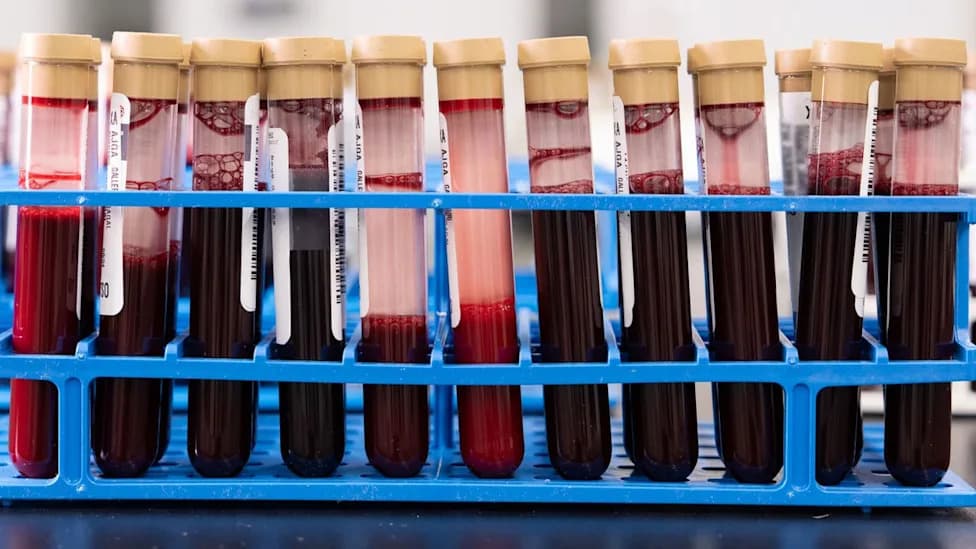
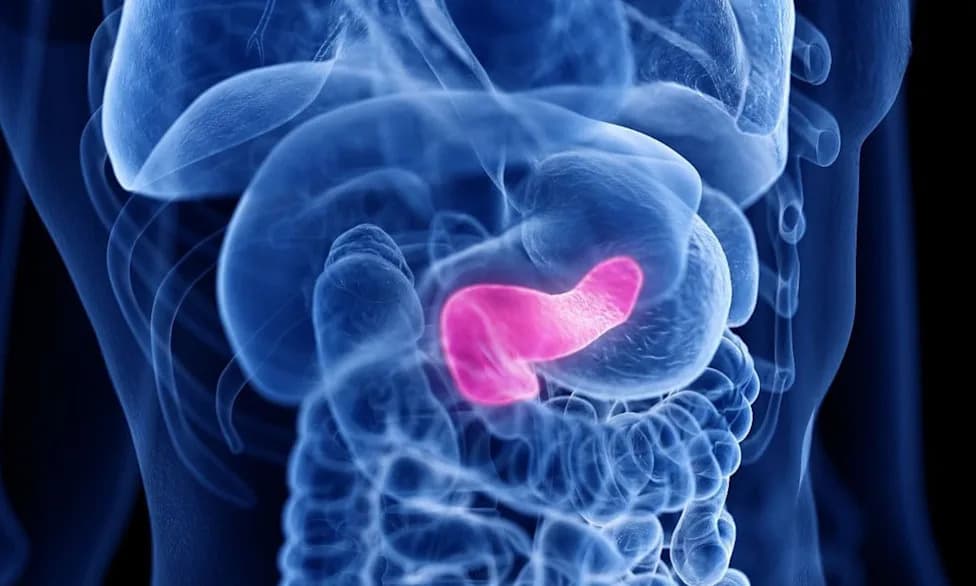
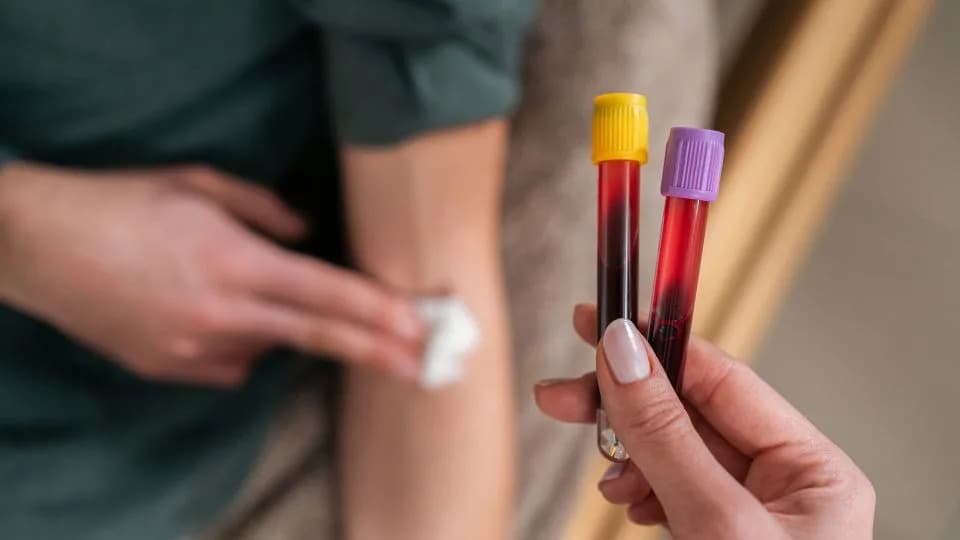
Galleri analyzes small fragments of tumor-derived DNA shed into the bloodstream and reports either "cancer signal detected" or "no cancer signal detected." According to Grail, results typically arrive about two weeks after a blood draw, and when a signal is detected the test can often predict the likely tissue or organ of origin to help guide follow-up diagnostics.
What the Evidence Shows
Grail's primary study of roughly 140,000 older adults found the test detected about one-third of cancers diagnosed over a one-year period. The company reports that, in clinical data, roughly six in 10 people whose Galleri test detected a cancer signal were later diagnosed with cancer after follow-up testing. Nearly 99% of people tested receive a negative result.
Panel Vote And Intended Use
An FDA advisory panel voted that the test's potential benefits outweigh its risks by 7-2 with one abstention. The panel was unanimous in finding the test safe and voted 6-4 in favor of its effectiveness. Experts emphasized that Galleri is intended to supplement — not replace — regularly recommended screening tests, and the panel recommended its use primarily for people aged 50 and older.
Limitations And Concerns
Clinicians and consumer advocates urged caution. The test can produce false positives (a cancer signal where no cancer exists) and false negatives (failing to detect an existing cancer). It is also less sensitive for some early-stage tumors and for cancers that shed little or no DNA into the bloodstream. Consumer groups worry a negative result could give a misleading sense of security, while false positives could prompt unnecessary invasive follow-up procedures.
Practical Considerations
At present, consumers can buy Galleri directly in the U.S., typically for about $700 or more. The FDA panel's endorsement is expected to increase the likelihood of insurance and Medicare coverage, which would widen access. If a cancer signal is detected, patients should work closely with their healthcare provider to pursue targeted diagnostic testing guided by the test's predicted tissue of origin.
"The Galleri test was developed to improve the effectiveness and efficiency of our national cancer screening program... helping find more cancers safely, when they may be easier and less costly to treat," said Grail CEO Dr. Josh Ofman. Clinicians, however, stress the need for more research to fully understand long‑term outcomes and screening impacts.
Bottom line: Galleri represents a potentially powerful new tool for multi-cancer early detection, especially for cancers that currently lack routine screening methods. But patients and clinicians must weigh its promise against real-world limitations in sensitivity, the risk of false positives, and the need for careful follow-up testing.