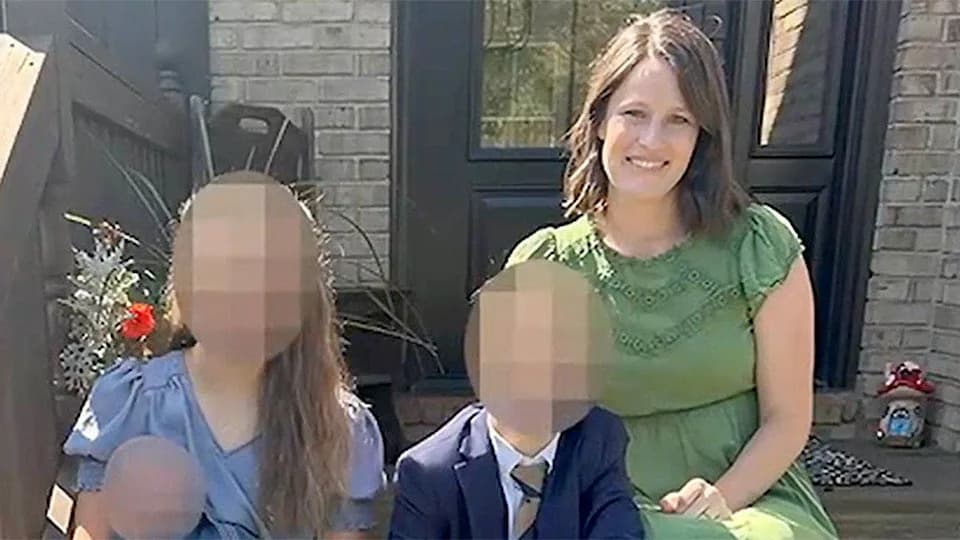
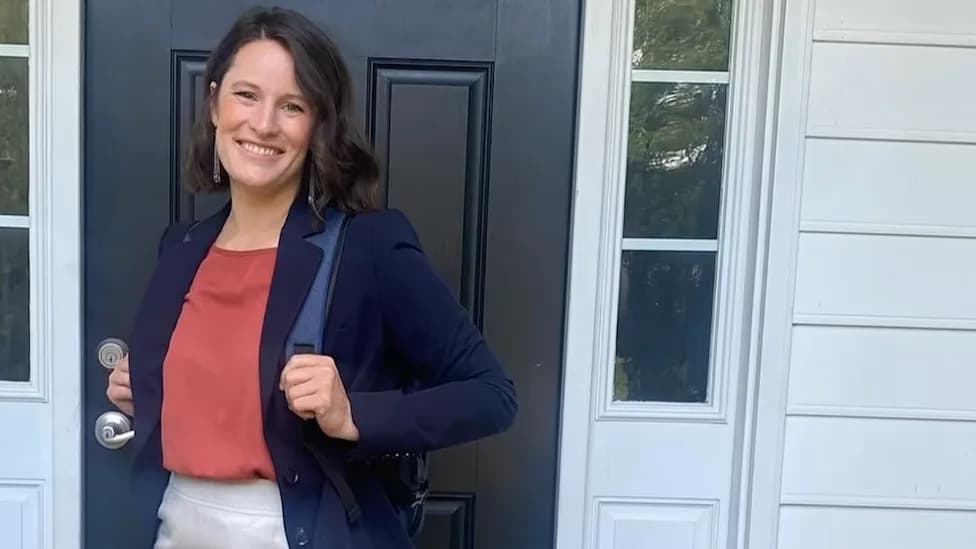
Skye Cooper says she secretly placed a small recording device in her non-verbal seven-year-old son's clothing after noticing bruises and distressed behaviour at Churchill Primary School. She claims a recording captured a classroom aide allegedly threatening the child, and she subsequently withdrew him from the school. Cooper was arrested and charged under Victoria's Surveillance Devices Act 1999 for using a listening device without consent; penalties can include up to two years' jail or 240 penalty units. She is seeking legal advice and pushing for the aide's removal; the aide has apologised but says they do not recall the exchange.
Mother Arrested After Secretly Recording Non-Verbal Son’s School Over Alleged Abuse

Ivan S on Pexels.
Seeing unexplained bruises on a child and sudden changes in behaviour can alarm any parent. In Victoria, Australia, Skye Cooper says that concern for her seven-year-old non-verbal son — who has epilepsy, autism, severe language delay and global developmental delay — led her to secretly record school interactions after she believed he was being harmed at Churchill Primary School.
What Cooper Says Happened
Cooper says her son began attending Churchill Primary School in February 2025. About a month later she noticed troubling signs: the boy resisted getting out of the car at drop-off, screamed for his mother and became visibly distressed when left with staff. When he later returned home with marks she believed were bruises, Cooper arranged several meetings with school staff but says her concerns were not adequately addressed.
Following advice she says she received from a disability advocate, Cooper says she sewed a small audio recorder into her son's clothing and listened to the nightly recordings to try to identify anyone who might be harming him. On one recording she alleges a classroom aide told the child, "You hurt me, I'll hurt you." After hearing the recording, Cooper says she withdrew her son from the school.
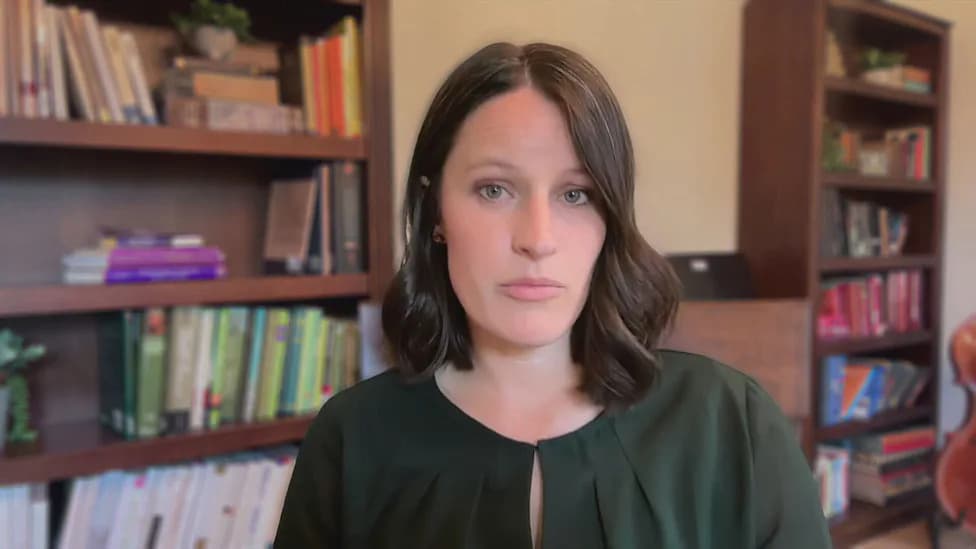
"Once I heard her on the recording threatening him, saying that she'll hurt him [...] I ended up pulling him out [of the school]," Cooper told the Australian Broadcasting Corporation.
Legal Consequences
Cooper's attempt to gather evidence reportedly led to criminal consequences. She was arrested after being reported to police for using a listening device without consent and charged under Victoria's Surveillance Devices Act 1999. The Act makes it an offence to use, install or maintain a listening device to record or listen to a private conversation unless a party to the conversation has given consent. Penalties can include up to two years' imprisonment, 240 penalty units, or both.
Police reportedly offered Cooper a diversion-like option to avoid a criminal record: admitting the charge and making a $300 AUD (about $213) donation to charity. Cooper said she is seeking legal advice and is pursuing the removal of the classroom aide from the school. The aide has apologised and been described as "extremely remorseful," but also told investigators they do not recall the exchange with the child.
Context and Considerations
This case touches on difficult and competing issues: a parent's instinct to protect a vulnerable child, the rights and privacy of school staff, and the legal limits on covert surveillance. It also highlights wider concerns about safeguarding for children with disabilities in institutional settings and the challenges parents face when they feel their concerns are not being addressed.
Authorities and schools must balance transparent investigations, clear reporting channels and legal protections for all parties while ensuring the safety of children. Cooper's account remains an allegation, and the legal process will determine whether criminal or disciplinary action is warranted.
Help us improve.