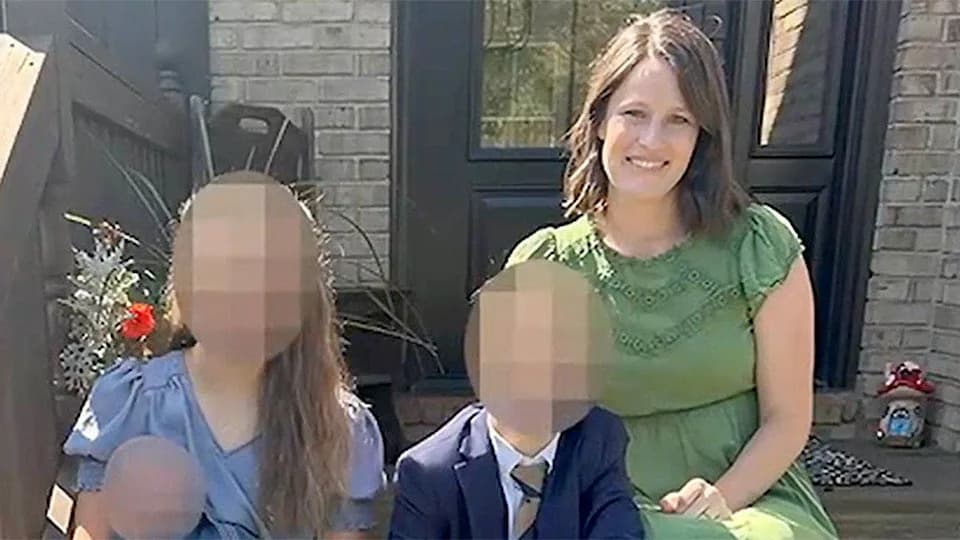
Skye Cooper, a mother in Victoria, Australia, was charged under the Surveillance Devices Act after sewing a listening device into her nonverbal seven‑year‑old son's clothing following concerns about bruising and trauma after school. Cooper says the recording captured a classroom aide telling her son, "You hurt me, I'll hurt you," prompting her to withdraw him from Churchill Primary School. Authorities offered Cooper a potential diversion — admission of the offence and a $300 AUD donation — to avoid a criminal record. The incident has sparked calls for legal changes to help protect nonverbal and otherwise vulnerable children while raising questions about privacy and staff protections.
Mother Charged After Sewing Recorder Into Nonverbal Son’s Clothing After Alleged Threat by School Aide

Mother and son (stock image)Credit: Getty
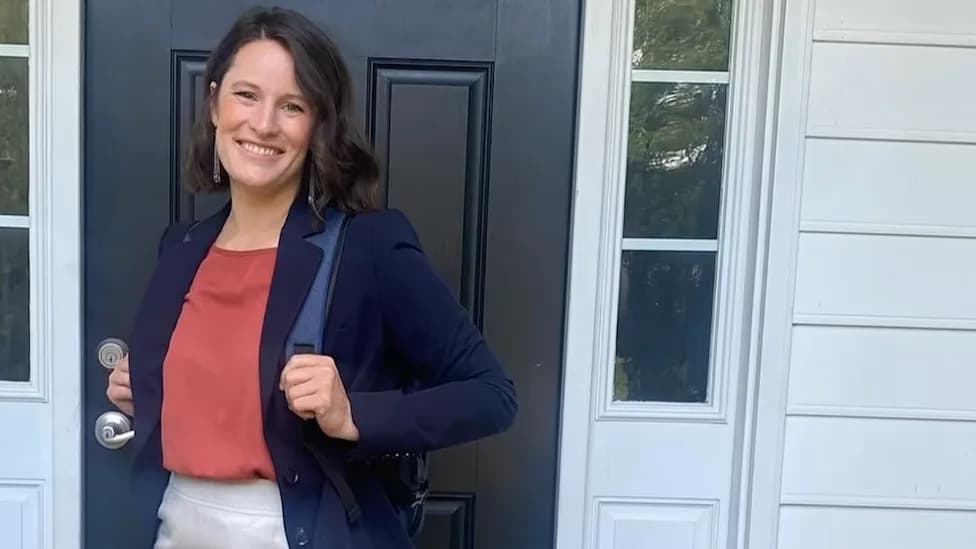
Skye Cooper, 36, has been charged in Victoria after she secretly sewed a small recording device into her nonverbal seven‑year‑old son's clothing following concerns about bruises and changes in his behaviour after attending Churchill Primary School, Australian outlets reported.
The boy, who has epilepsy, autism, global developmental delay and a severe language delay, began acting differently about a month after starting at the school in February 2025. Cooper told the Australian Broadcasting Corporation (ABC) that he became distressed, would not leave her side and appeared traumatized.
Recording Allegedly Captures Concerning Comment
Following advice from a disability advocate, Cooper placed a small listening device in her son's clothing. While reviewing the recording at home, she says she heard a classroom aide tell her son, "You hurt me, I'll hurt you," after which she withdrew him from the school, per ABC and other reports.
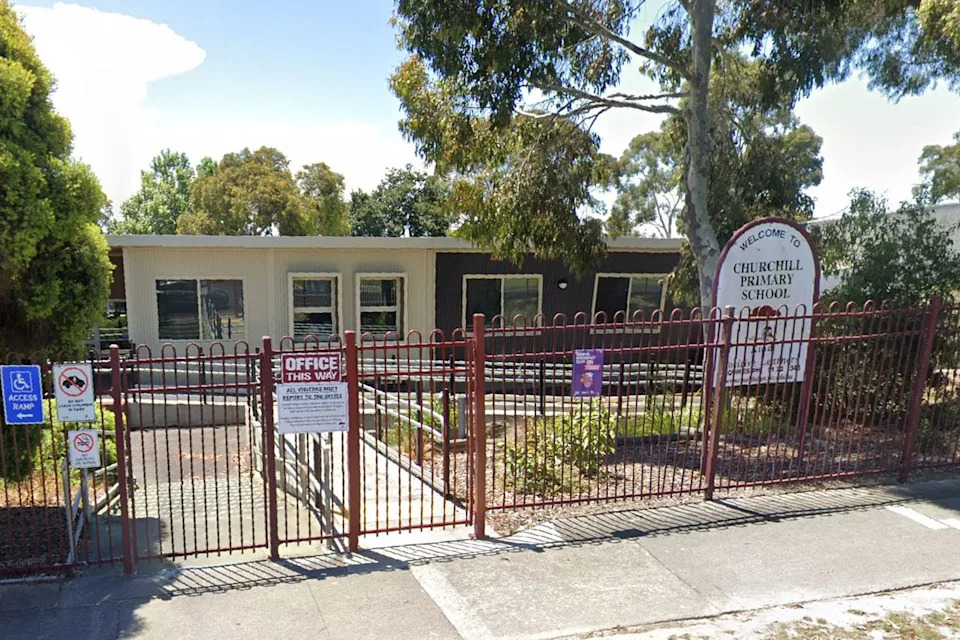
Churchill Primary School in Victoria, AustraliaCredit: Google Maps
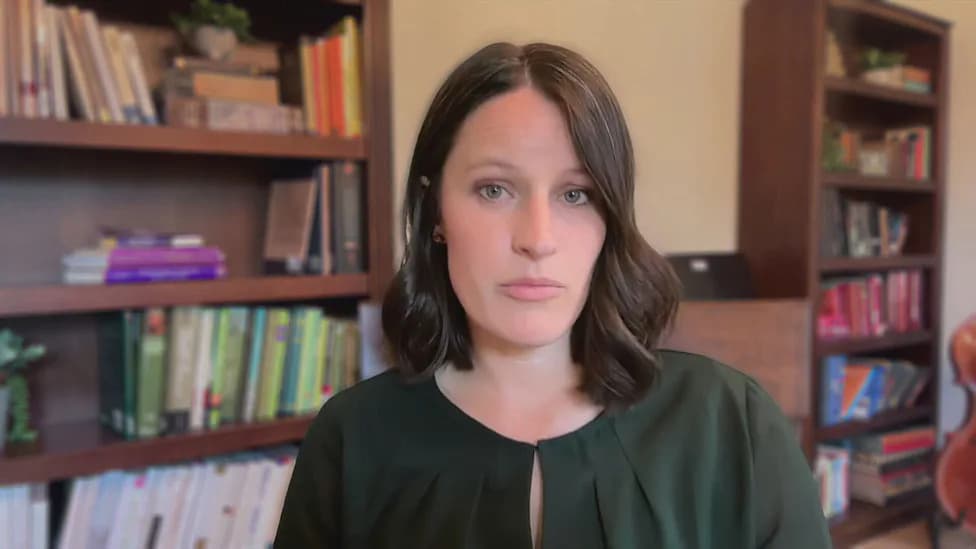
"He would not get out of the car. He started screaming, he started begging for me," Cooper told ABC. "He just got more and more emotionally distressed … [and] would not be left in a room with anyone other than me."
Legal Response And School Reaction
Victoria police charged Cooper under the Surveillance Devices Act 1999 for the installation and use of a listening device without proper consent. Under the law, recording a private conversation is generally prohibited unless the recorder is a participant or has consent. Authorities reportedly offered Cooper a way to avoid a criminal record by admitting the offence and making a $300 AUD donation to an approved charity.
Cooper launched a petition calling for the aide's removal and urging Australia's Minister for Education to consider amending the Surveillance Devices Act to allow parents of nonverbal or severely disabled children to gather evidence when they fear for their child's safety. In the petition she wrote that the Department of Education had not adequately addressed her concerns and that vulnerable children need stronger protections.
Victorian education officials told media they encourage parents and carers to raise safety concerns directly with schools so they can be investigated. PEOPLE, ABC and 9News Australia reported Cooper also said she received a written apology from the aide acknowledging inappropriate language.

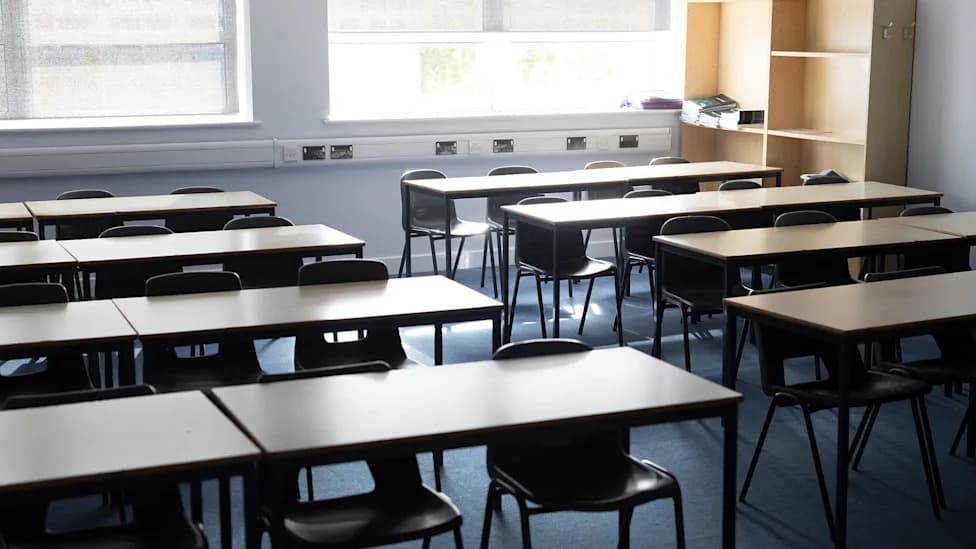
Boy in school (stock photo)Credit: Getty
Broader Debate
The case has prompted debate between parents and disability advocates who say covert recordings may sometimes be the only way to document abuse of nonverbal children, and privacy and legal experts who warn that allowing covert recordings broadly could create privacy risks for staff and undermine legal protections.
If you suspect child abuse or need support in the United States, contact the Childhelp National Child Abuse Hotline at 1‑800‑4‑A‑Child (1‑800‑422‑4453) or visit www.childhelp.org. The hotline is toll‑free, confidential and available 24/7 in more than 170 languages.
Sources: Australian Broadcasting Corporation, PEOPLE, 9News Australia.
Help us improve.