James Carville says former President Donald Trump harbors a deep hostility toward Washington, D.C., and is trying to stamp his name on national landmarks. MS NOW reported White House aides discussed placing Trump's name on Ford's Theatre, which would follow failed efforts to rename the Kennedy Center. Carville argued on his Politics War Room podcast that Trump "wants to destroy Washington" and dislikes the city's architecture and the modesty tied to the Constitution. Trump denied the report on Truth Social, calling it "fake news."
Carville: Trump 'Wants to Destroy' Washington, D.C., by Stamping His Name on Landmarks
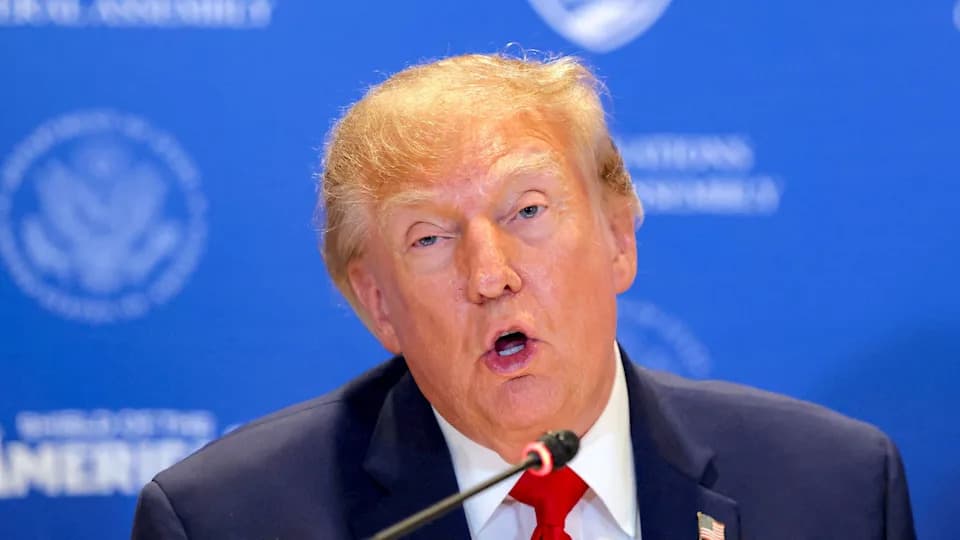
MS NOW reported that Trump’s name could be added to Ford’s Theatre. / Kylie Cooper/Reuters
Veteran Democratic strategist James Carville said former President Donald Trump appears determined to leave his imprint on Washington, D.C., and suggested the impulse reflects a deeper hostility toward the capital's institutions and symbols.
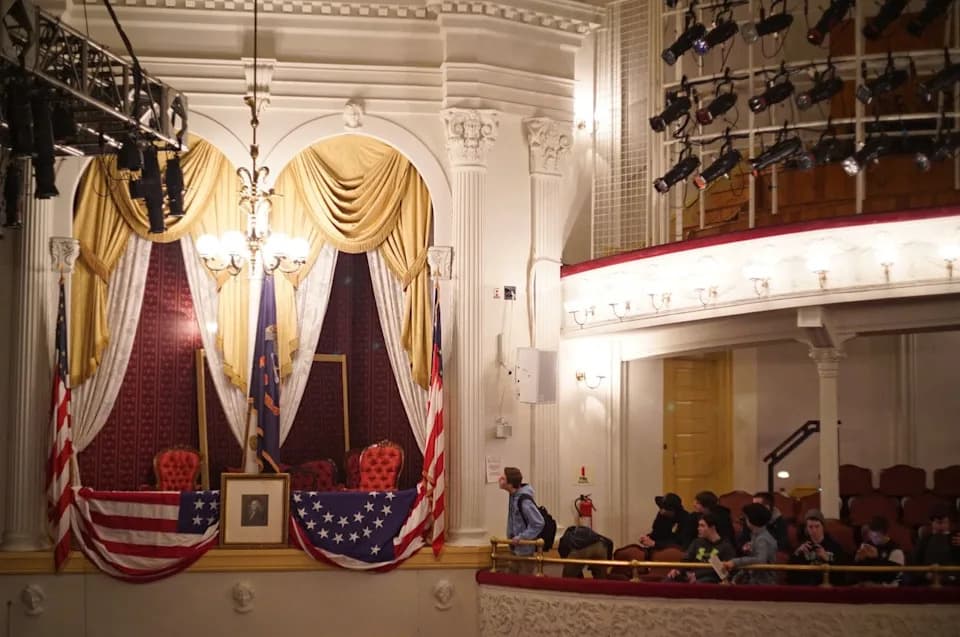
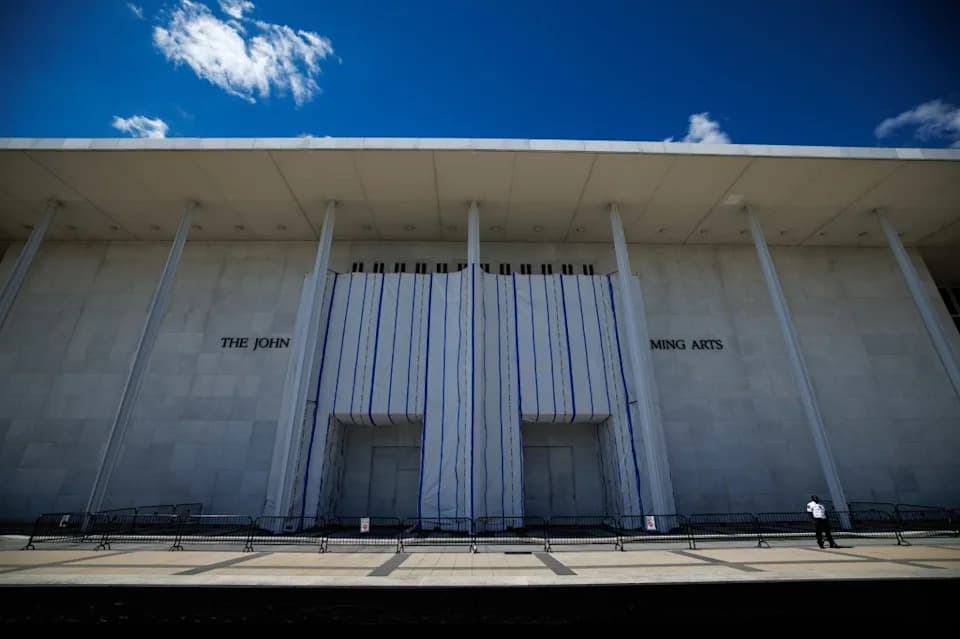
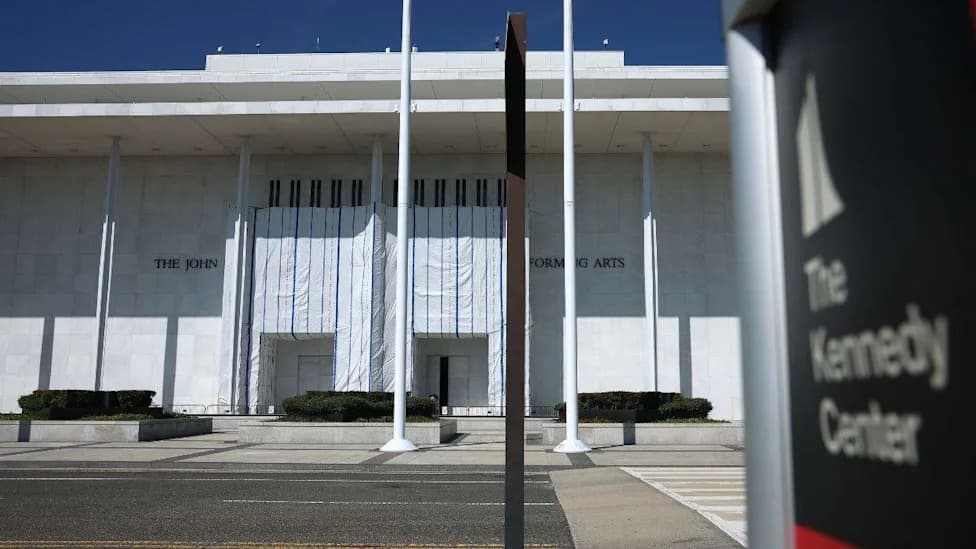
On Wednesday, MS NOW reported that White House aides discussed placing Trump's name on Ford's Theatre, the site where Abraham Lincoln was assassinated in 1865. If true, the proposal would follow earlier, unsuccessful efforts to place Trump's name on the Kennedy Center.
Trump rejected the report on Truth Social, calling it "fake news" and denying any intent to affix his name to a site associated with a national tragedy.
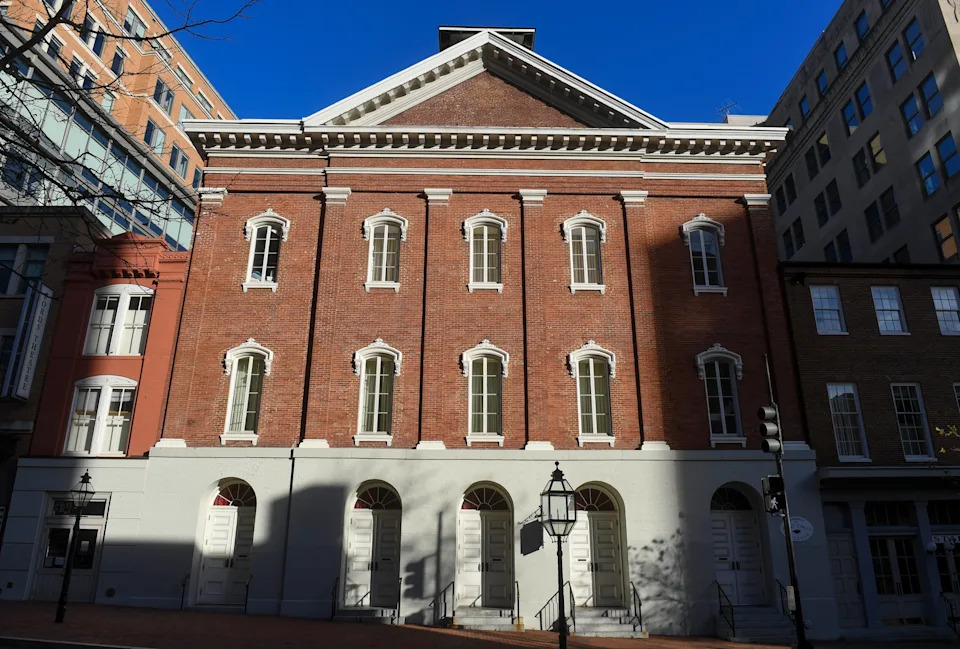
Trump’s team has considered renaming Ford’s Theatre, according to MS Now. / The Washington Post / The Washington Post via Getty Im
"The story that the White House, or me, want to affix my name to Ford's Theatre ... is a ridiculous lie. It is FAKE NEWS! Who would possibly want a name on such a tragic place?" Trump wrote on Truth Social.
Carville, the strategist credited with Bill Clinton's 1992 victory, made his comments on his Politics War Room podcast, arguing that Trump's actions amount to an effort to "defile" and even "destroy" the city and what it stands for.
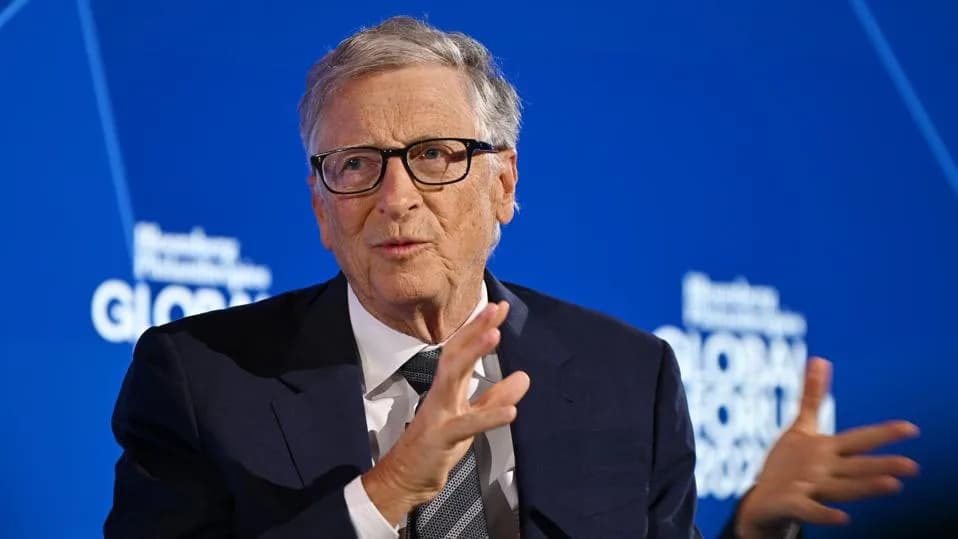
"Trump has a particular hatred for Washington, D.C.... I think he wants to destroy Washington. I think he hates what Washington is, what Washington stands for," the 81-year-old said, adding that Trump dislikes the city's architecture and the "inherent modesty" associated with the Constitution.
Carville urged Trump to focus on private branding projects — citing the Palm Beach International Airport rebranding as an example — and to leave national memorials and public institutions alone.
This exchange has renewed attention on debates over how presidential branding and private influence intersect with public spaces and national memory.
Help us improve.