Fulton Sheen, a pioneering TV preacher, is being advanced toward beatification after decades of campaigning and a widely publicised 2010 claim that a newborn was miraculously revived. The process stalled in 2019 while questions were raised about archival evidence linking Sheen to priestly reassignments involving an accused cleric. Although the Diocese of Peoria and the Vatican later resumed the cause, critics and survivors' advocates continue to demand that the Church release investigative files to ensure transparency and public trust.
Fulton Sheen's Contested Beatification: Miracle, Media and Questions Over Abuse Allegations
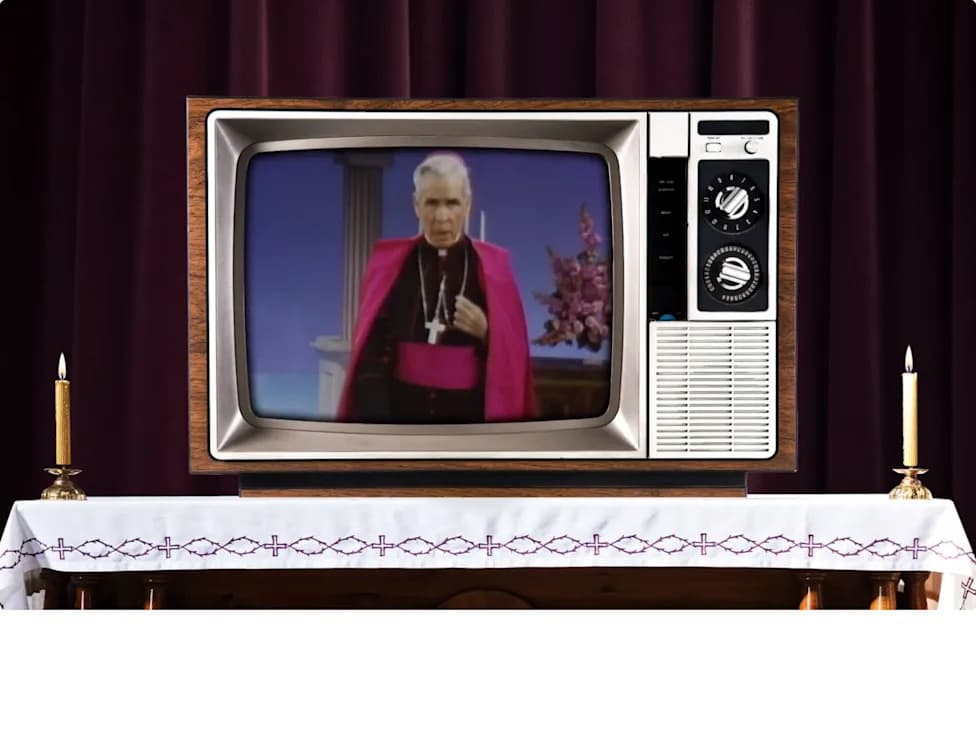
Meet America's first televangelist saint
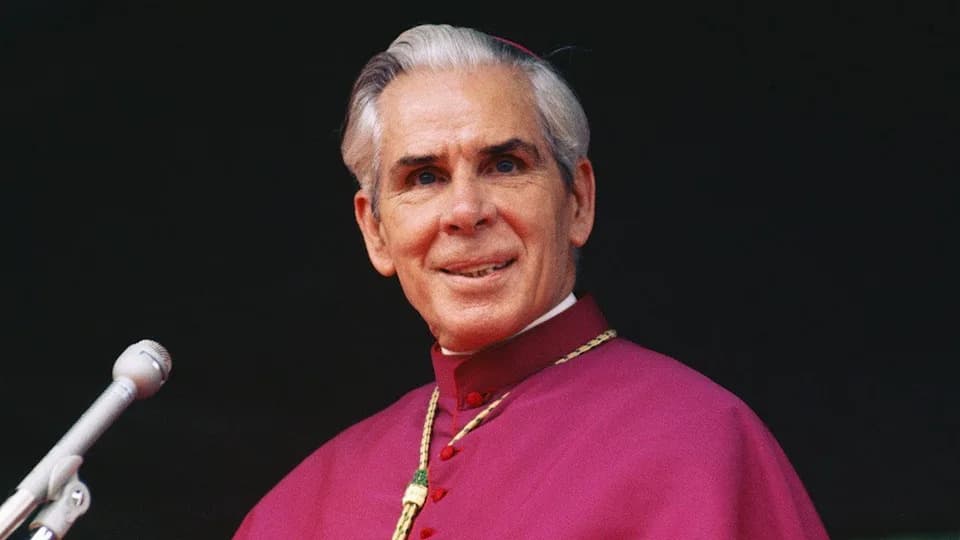
Fulton Sheen—celebrated television preacher, bestselling author and influential mid‑20th‑century Catholic figure—is being advanced toward beatification amid a mix of devotion, media nostalgia and unresolved questions about his role in priestly assignments decades ago. Supporters point to a widely reported 2010 case in which a newborn, James Engstrom, recovered after an extended period without a detectable heartbeat and attribute the recovery to Sheen's intercession. Critics and abuse‑watch groups, however, say archival evidence and contemporaneous newspaper clippings merit fuller disclosure before the Church confers a formal honour.
From Television Pioneer to Ecclesiastical Cause
Born in rural Illinois in 1895, Sheen reached a national audience with the 1952 television programme Life Is Worth Living. His weekly 30‑minute broadcasts combined theology, philosophy and humour and drew millions of viewers, earning him the label “the first televangelist.” After his death in 1979, admirers formed the Archbishop Fulton J. Sheen Foundation and, in 2002, prompted the Diocese of Peoria to open a formal cause. A comprehensive positio—reported to run to some 15,000 pages—was compiled and Sheen was declared venerable in 2012.
How Canonisation Works
The Catholic Church’s process for declaring saints involves local investigation, a Vatican review, and verification of miracles attributed to the candidate’s intercession. A confirmed, scientifically inexplicable miracle is normally required for beatification; a second is usually needed for canonisation. The compilation and vetting of the positio, tribunals and translations are complex and often costly undertakings.
The Claimed Miracle: The Case of James Engstrom
In September 2010 Bonnie and Travis Engstrom say their newborn son James was born without a pulse after a knot in the umbilical cord deprived him of oxygen. After prolonged emergency care and an extended period during which staff prepared to pronounce the infant dead, James’s heart reportedly resumed beating. He later underwent an MRI that was described as normal. The Engstroms and supporters credit Sheen’s intercession; the Sheen Foundation opened a tribunal and local and Vatican reviewers examined the case.
Allegations and Archival Evidence
In December 2019 the Vatican put Sheen’s cause on hold after bishops in the Diocese of Rochester asked investigators to review archival material and any possible connection between Sheen and priestly reassignments involving Gerard Guli, a priest later accused of sexual abuse. The Diocese of Peoria investigated and concluded Sheen had not assigned or returned Guli to parish ministry; the Vatican later allowed the beatification process to resume. However, contemporary newspaper notices and other archival items uncovered by independent reporters show references to transfers of Guli to Rochester parishes during the years when Sheen was bishop there, which critics say deserve fuller public explanation.
Calls For Transparency
Advocates for survivors and accountability groups have pressed the Vatican and the involved U.S. dioceses to release the investigative files, depositions and the relevant portions of the positio. Peoria says it deposed Guli and others and supplied a report to the Vatican; Rochester has not publicly shared the underlying records. Critics maintain that public disclosure is essential to restore confidence whenever historical abuse allegations intersect with a candidate for sainthood.
Pageantry, Pilgrimage and Commerce
The beatification—moved to a large stadium to accommodate crowds—has also become a major organisational and fundraising event. The Sheen Foundation and organisers have promoted sponsorship packages, sold branded merchandise, and prepared relic distribution for donors to cover postage. Diocesan officials say ticketing and venue costs require modest fees, though Canon Law prohibits charging for access to Mass in a church; organisers note stadium events incur external commercial expenses.
Legacy and Division
Sheen’s life and public persona combined devout spirituality with human quirks: he was a media-savvy communicator who also enjoyed private comforts. For many Catholics his evangelising work and the reported miracle inspire devotion; for others the unresolved archival questions and the need for greater transparency temper enthusiasm. The beatification will deepen the debate about how the Church balances devotion, due process and accountability in modern sainthood causes.
Key takeaway: The Sheen case illustrates the tensions between popular devotion, institutional saint‑making, and demands for transparency where historical allegations of clergy abuse overlap with causes for sainthood.
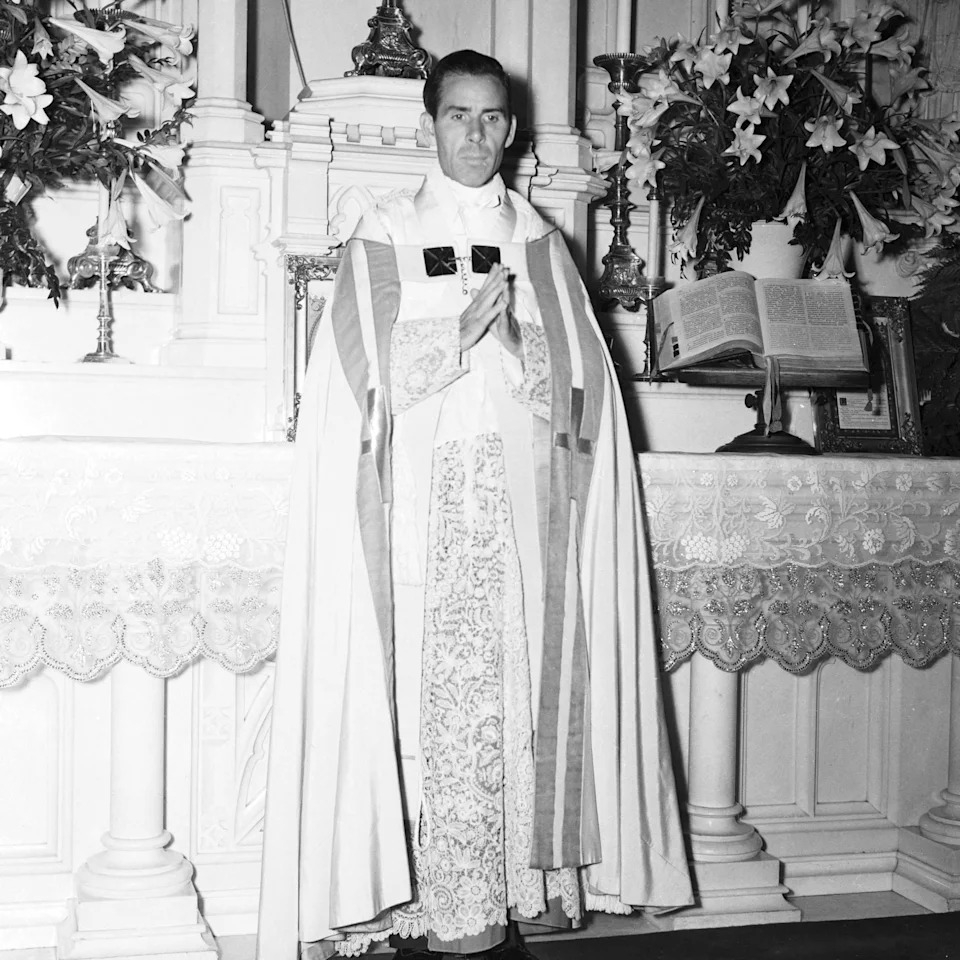
Fulton Sheen, pictured in 1940, will be honoured at a beatification ceremony in Missouri on Thursday - Alamy Stock Photo
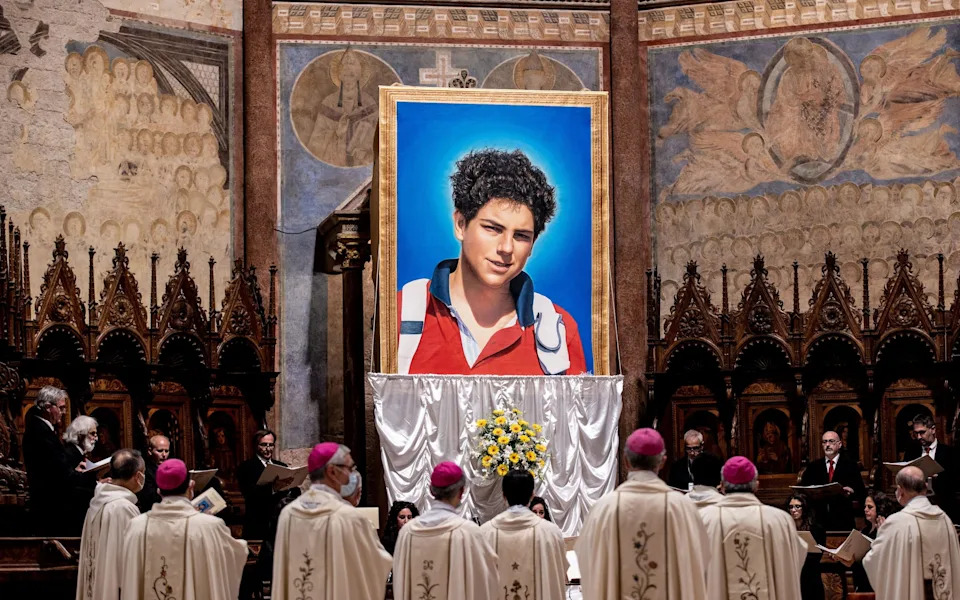
A portrait of Carlo Acutis at the St Francis Basilica during the beatification ceremony of the 15-year-old on October 10, 2020, in Assisi, Italy - Vatican Pool/Getty
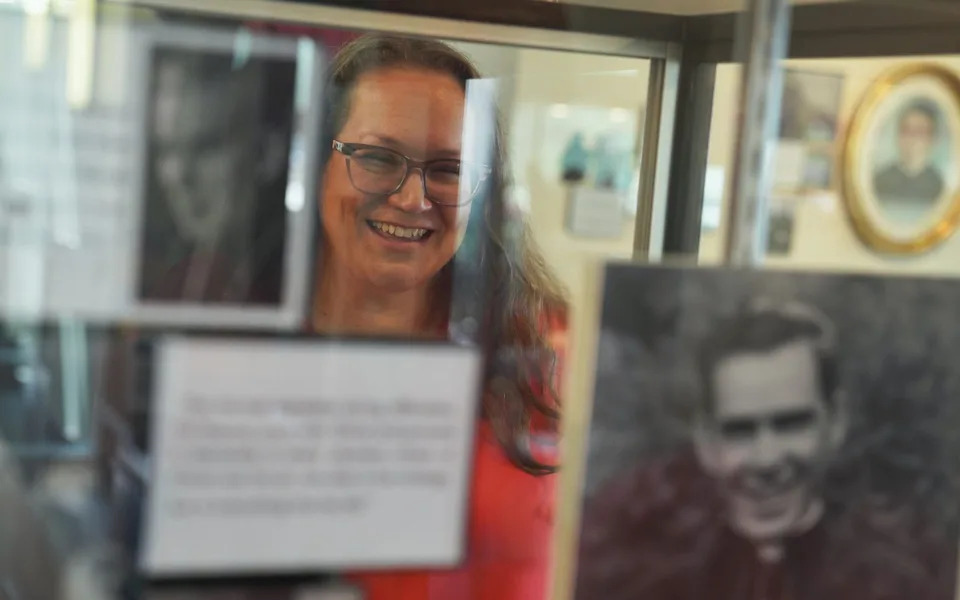
Bonnie Engstrom believes Sheen (pictured) helped save her son's life after he was born in 2010 without a pulse - Jessie Wardarski/AP
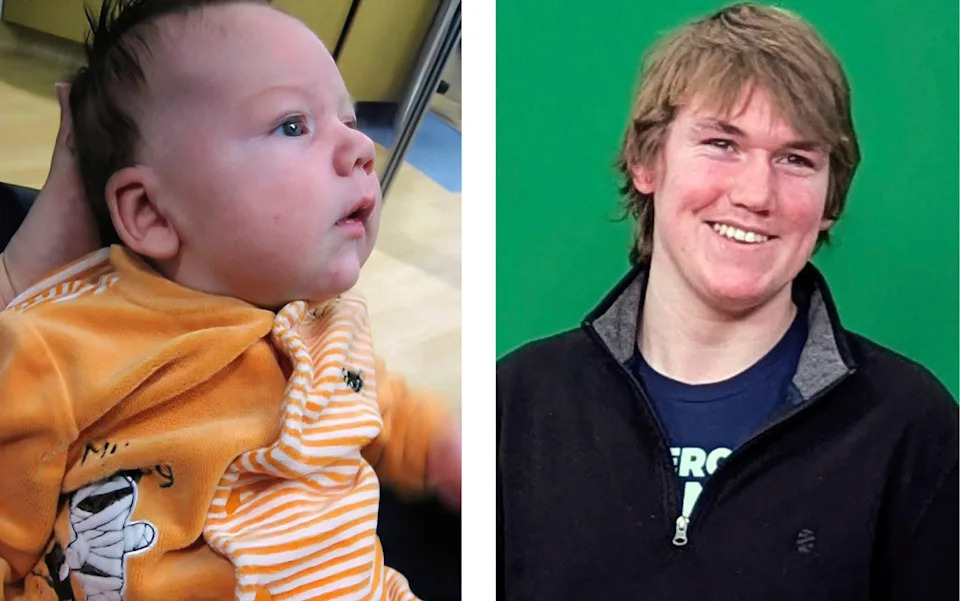
James Fulton Engstrom in the NICU at OSF St Francis Hospital in Peoria in 2010, left, and in January 2026 - Bonnie L. Engstrom/AP
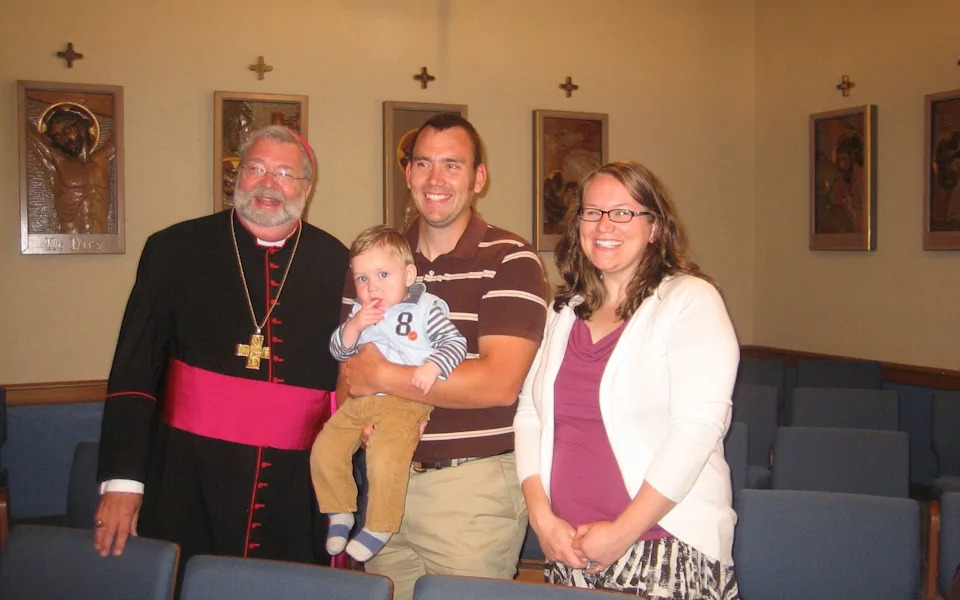
Bonnie, pictured with her husband Travis and a young James, explains: 'God brought my son back from the dead… To me, that is on the same level as when he raised Lazarus from the dead, when he split the Red Sea'
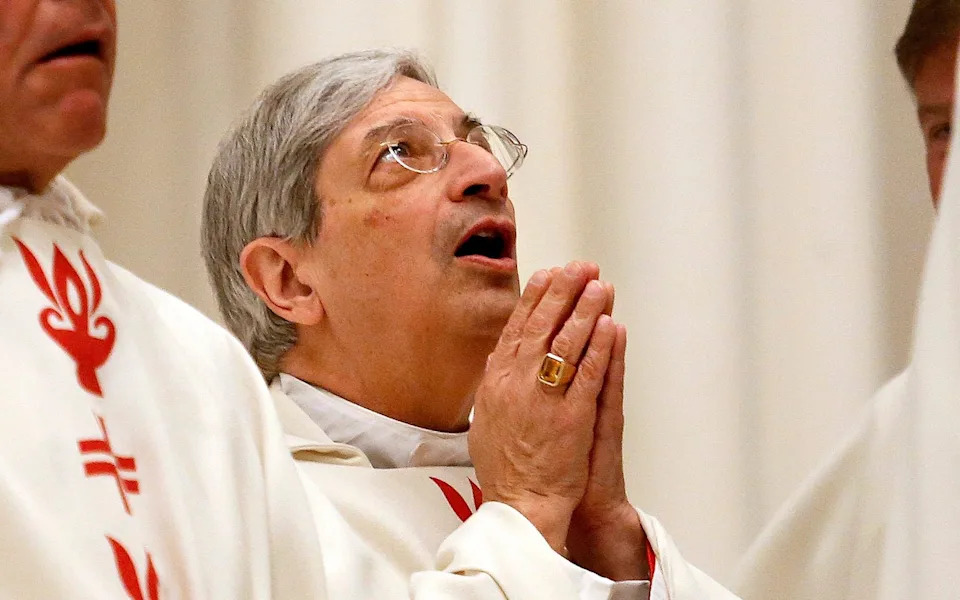
Bishop Salvatore Matano of Rochester privately wrote to the Vatican in 2019 requesting a delay to Sheen's beatification - Gabe Souza/Portland Portland Press Herald via Getty Images
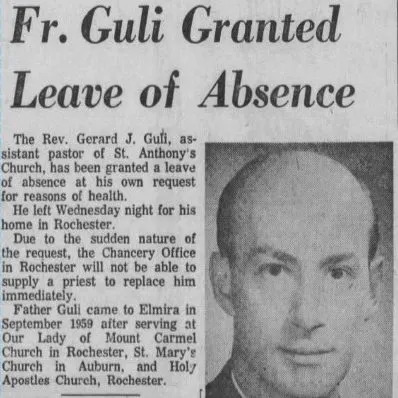
An article about Gerard Guli in The Star Gazette, a local newspaper in Elmira, New York, from 1963
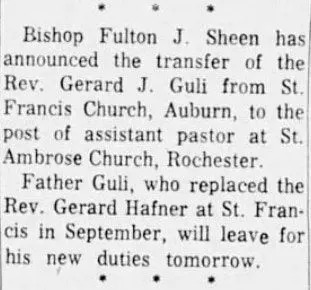
A notice in the Syracuse Herald-Journal, a local New York newspaper, on Nov 25, 1968
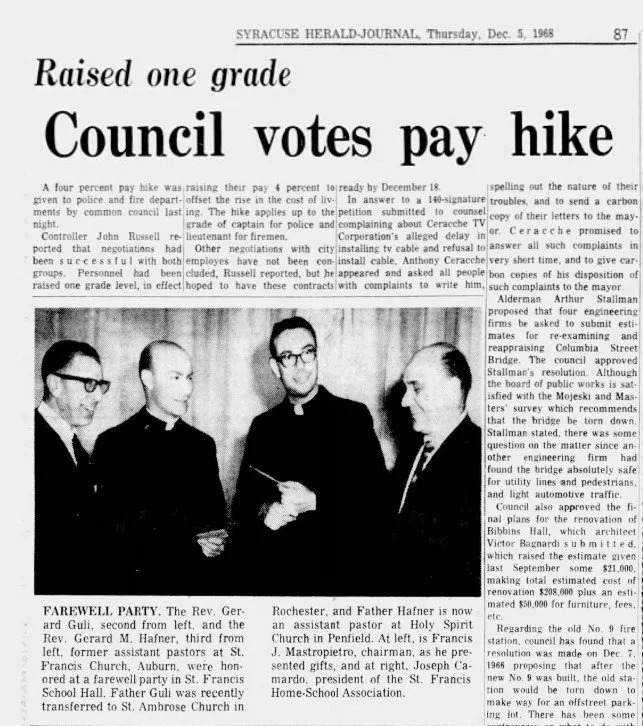
A report in the Syracuse Herald-Journal from Dec 5, 1968 pictures Guli and other former assistant pastors at a farewell party in St Francis School Hall
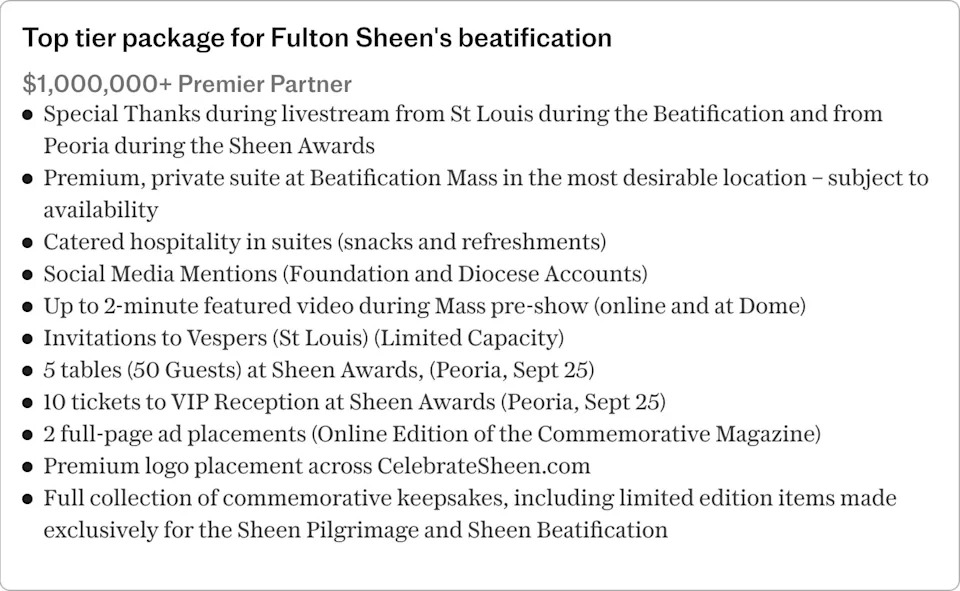

The Sheen Foundation is selling merchandise for the beatification on its website
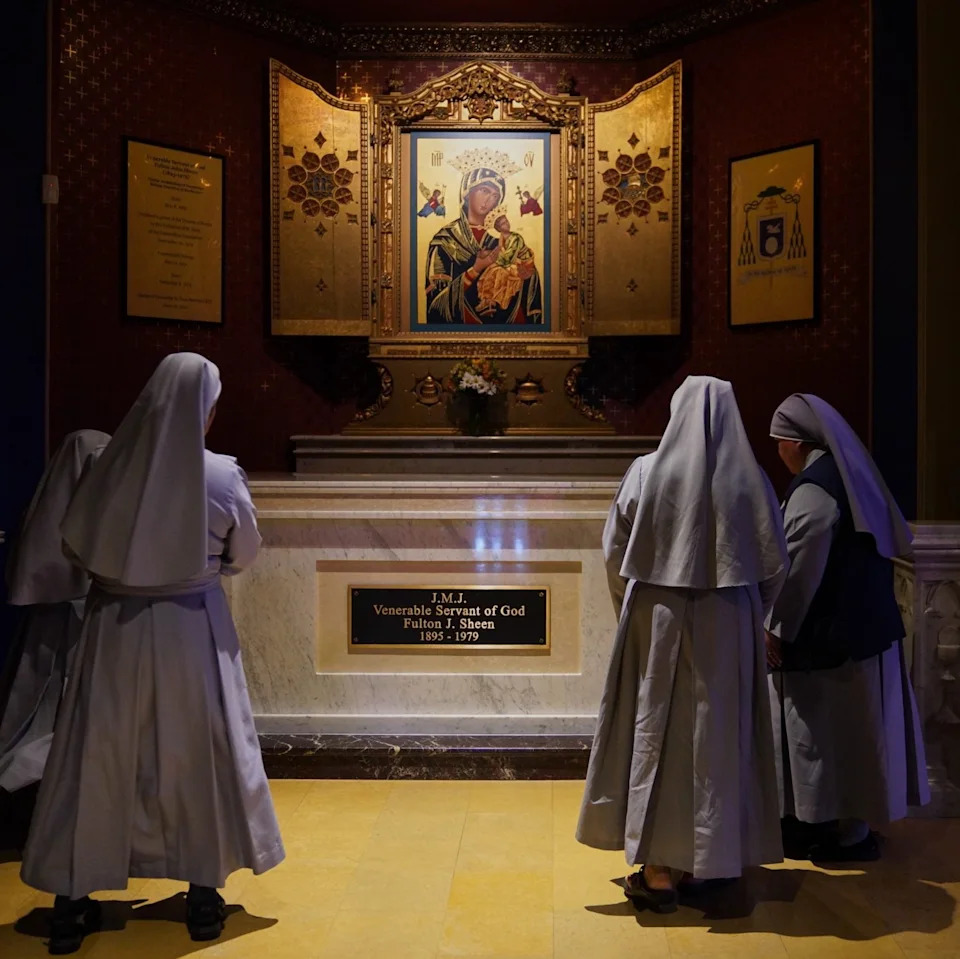
The tomb of Sheen at the Cathedral of St Mary of the Immaculate Conception in Peoria - Jessie Wardarski/AP Photo
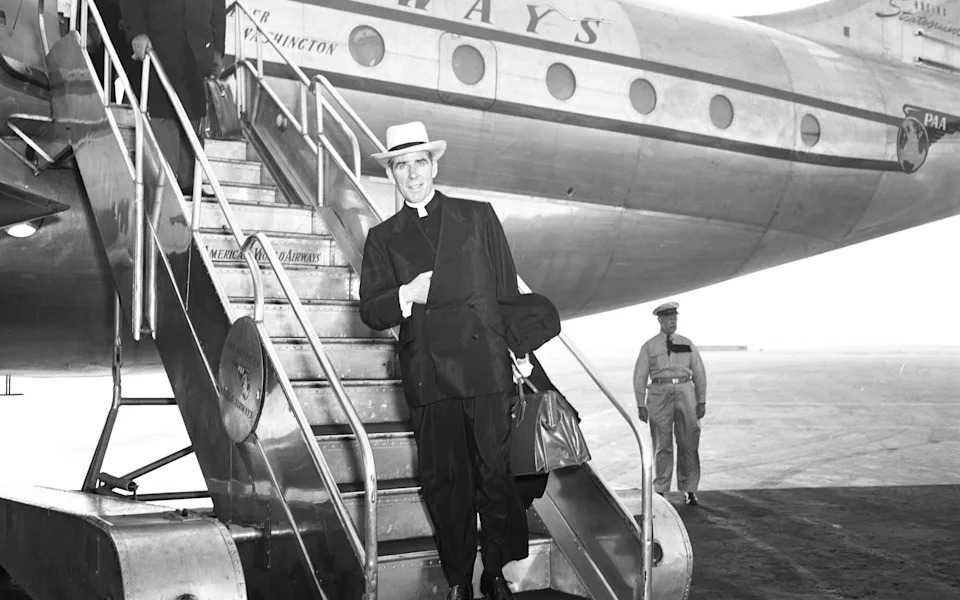
Sheen returns to New York from Rome on June 29, 1950 - Art Edger/New York Daily News via Getty Images
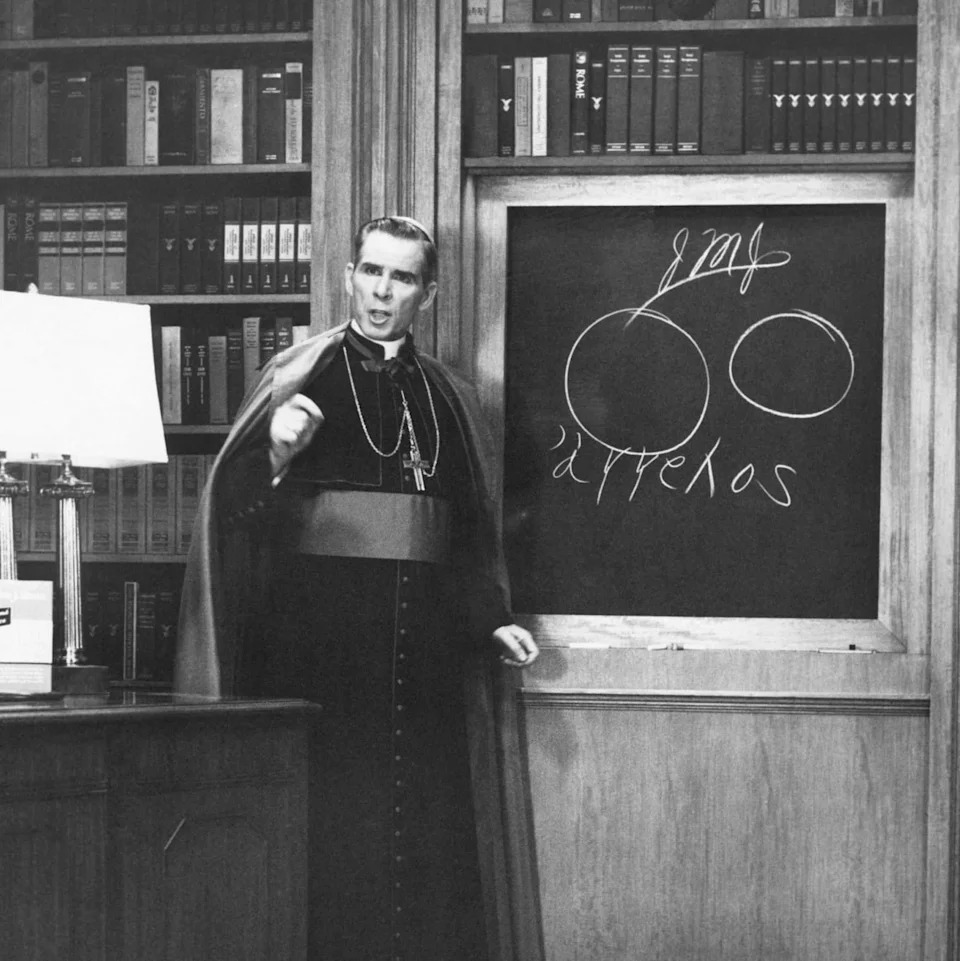
Sheen's only prop was a blackboard on which he drew simple diagrams to help the audience grasp the philosophical points he was making - Alamy
Help us improve.