Capt. Chesley "Sully" Sullenberger, 75, revealed he has early-stage Alzheimer’s and described how he and his family are confronting the diagnosis. Drawing on lessons from the 2009 Hudson River emergency landing, they are prioritizing urgent needs and family time while Sullenberger undergoes monthly infusion treatments to slow progression. He acknowledged the emotional toll and the likely caregiving challenges ahead, and said he hopes his openness will raise awareness as he prepares for induction into the National Aviation Hall of Fame.
‘Sully’ Sullenberger Reveals Early Alzheimer’s Diagnosis: "If This Is My Last Flight, I'll Go Out With Full Afterburner"

ABC News - PHOTO: Capt. Chesley "Sully" Sullenberger sat down alongside his wife, Lorrie Sullenberger, for an interview with ABC News' Robin Roberts airing on "Good Morning America."
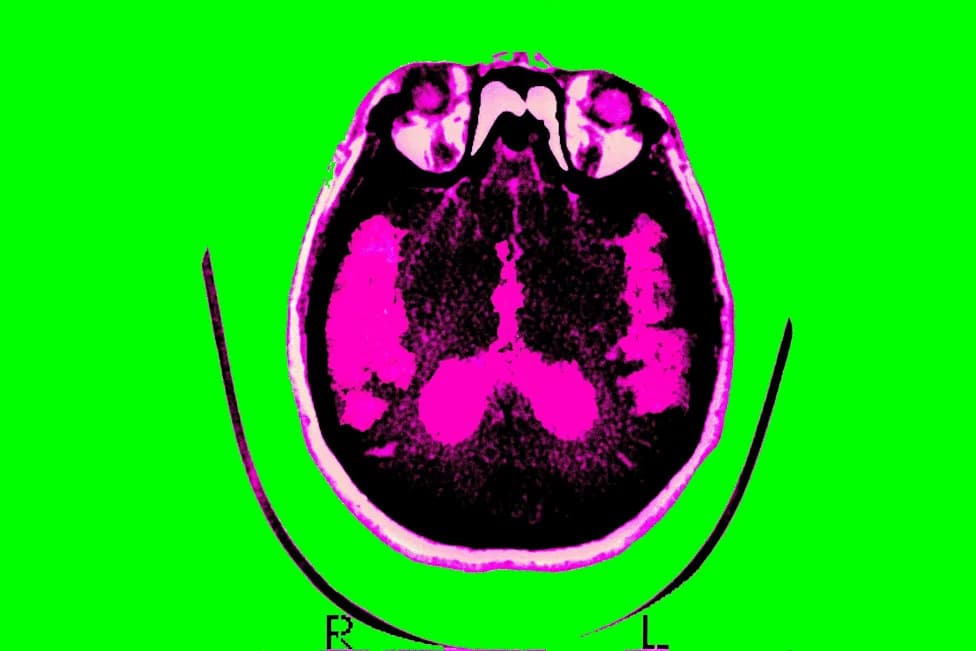
Capt. Chesley "Sully" Sullenberger, 75, spoke with ABC News' Robin Roberts about his recent diagnosis of early-stage Alzheimer’s disease and how he and his family are navigating the early months after the news.
Facing The Diagnosis Together
Sullenberger—who gained worldwide recognition after safely landing a passenger jet on New York City's Hudson River in 2009 in a maneuver that took 208 seconds—said the discipline and teamwork from that emergency helped shape how his family is approaching Alzheimer’s. "We had to devise a plan, execute that plan flawlessly for the first time, never having done it before, and save every life in 208 seconds," he told Roberts. "So I think we're doing the same thing here. We're focusing clearly on the highest priority items first."
Symptoms, Treatment And Emotions
Sullenberger publicly announced his diagnosis in July. He described early symptoms such as increased forgetfulness, trouble recalling names, and repeating himself. His wife, Lorrie Sullenberger, said those early signs were subtle and "easy to dismiss" at first: "A lot of what I think people see in the news are late-stage Alzheimer's symptoms. They were so little that it was easy to dismiss in the beginning."
Nearly three months after going public, Sullenberger said he is receiving monthly infusion treatments intended to slow the disease's progression. He acknowledged that Alzheimer's currently has no cure and that the condition is "continuing to progress. It's inevitable." The Centers for Disease Control and Prevention estimates Alzheimer’s affects about 7 million people in the U.S.; it is the most common form of dementia and is a leading cause of death among older adults.

ABC News - PHOTO: Capt. Chesley "Sully" Sullenberger opening up about his Alzheimer's disease diagnosis while speaking to ABC News' Robin Roberts.
Sullenberger: "We felt all those emotions, the shock, the anger, why me? ... We're part of this community who are trying to make the best of a bad situation."
Caregiving And Family Priorities
Both Sullenbergers acknowledged the challenge caregiving can become. Lorrie said, "My plan right now is to just take it one day at a time. I have no idea what's coming." Sully added, "I know what a burden caregivers have. I think as this progresses, it's gonna be an increasing challenge." Their daughter Kelly emphasized that the family is focusing on spending time together and preparing as best they can, even while accepting that some aspects are unpredictable.
Legacy And Advocacy
The interview aired as Sullenberger prepared to be inducted into the National Aviation Hall of Fame in Washington, D.C.—one of aviation's highest honors. He said he hopes that, as the "Miracle on the Hudson" brought attention to aviation safety, his openness about Alzheimer’s will help raise awareness and possibly inspire others. Referencing his first officer Jeff Skiles and others involved in the 2009 landing, he added, "I felt like after the 2009 flight, that Jeff Skiles and I and others had made a difference ... And I think in this regard and with this issue, maybe we can make a difference in this way also."
When asked what concerns him most about the future, he returned to an aviation metaphor: "That this is my last flight. But if this has to be my last flight, I'm going to go out using full afterburner."
What To Know: Early warning signs of Alzheimer’s often appear after age 60 and can include memory loss, trouble solving problems, decreased judgment, misplacing items, and changes in mood or personality. Anyone noticing unusual or persistent changes should consult a healthcare professional for evaluation and guidance.
Help us improve.