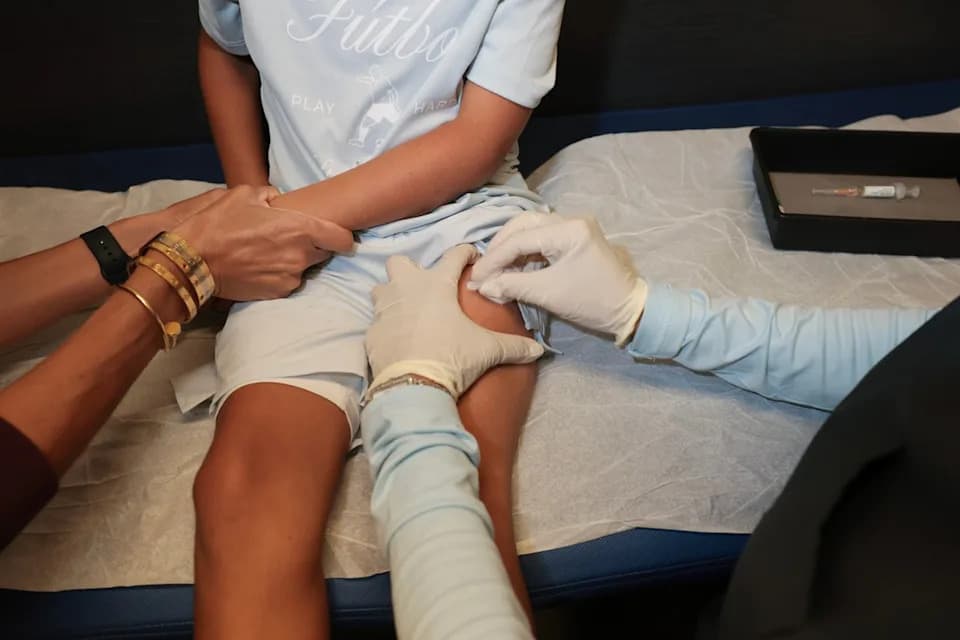
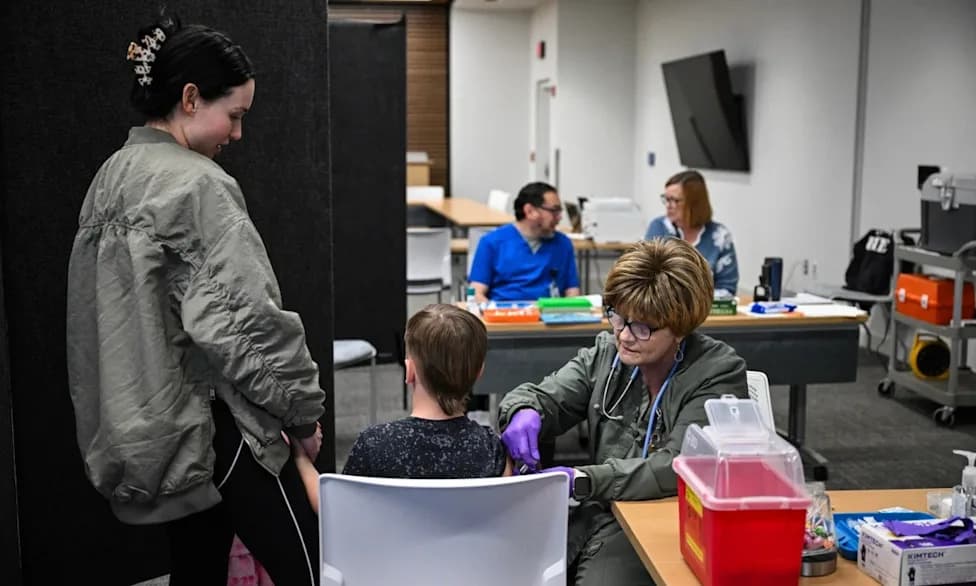
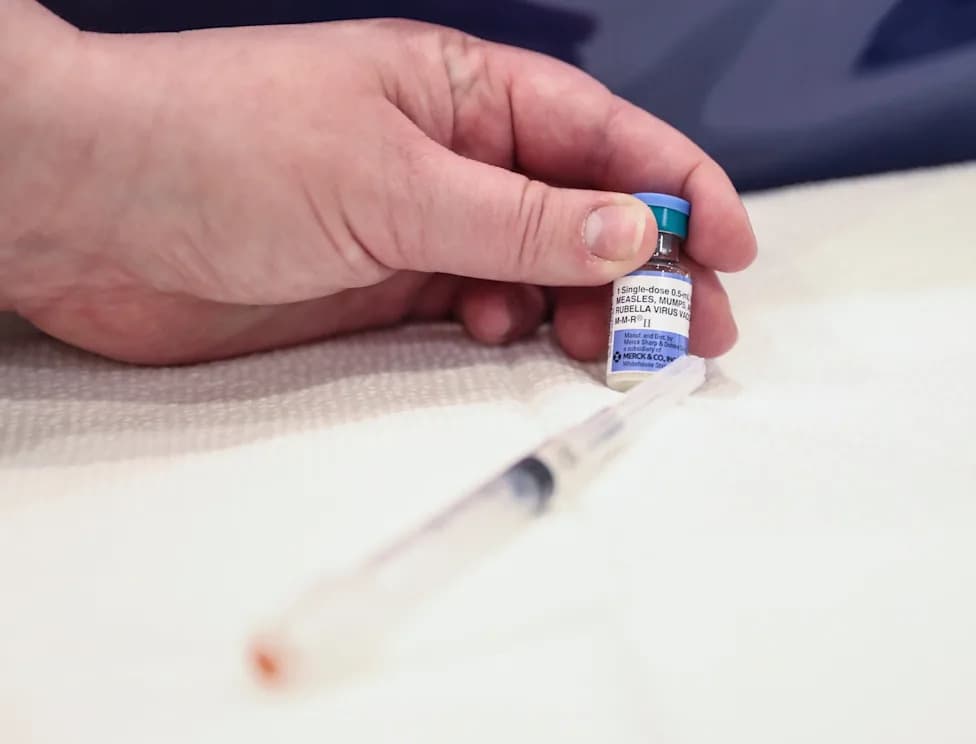
Emory University expanded VaxImpactMap to show state-level childhood vaccine coverage and model the impacts of declining coverage. Georgia’s rotavirus coverage is 77.6% for the 2022 cohort — up 3.4 points since 2019 — but a modeled 10% drop in coverage among children under four could lead to thousands more cases, dozens more hospitalizations and millions in added costs per 100,000 children annually. The tracker compares Georgia’s rates with national averages and notes which vaccines are required for school entry.
Emory Expands VaxImpactMap — Where Georgia Kids Are Protected (And Where They’re Not)
Are Georgia families vaccinating their kids? Emory expands tracker
Fall is approaching, bringing seasonal allergies, classroom colds and infections that often rise as temperatures fall. Vaccines have long helped limit spread and reduce severe illness from diseases such as whooping cough, chickenpox and influenza. But in recent years some childhood vaccination coverage has declined in parts of the U.S.
What Is VaxImpactMap?
Researchers at Emory University’s Center for Infectious Disease Modeling and Analytics and the Training Hub have expanded VaxImpactMap, a public tracking tool created at the Rollins School of Public Health. The tracker shows state-level vaccination coverage for six childhood infections and models the potential long-term health and economic impacts if coverage falls.
Which Diseases Are Tracked?
- Rotavirus
- Pertussis (whooping cough)
- Pneumococcal disease
- Varicella (chickenpox)
- Haemophilus influenzae type b (Hib)
- RSV — Not included in coverage estimates because its vaccine was approved in 2023 and is too new for the dataset
Georgia’s Status
According to the tracker, Georgia’s rotavirus coverage for the 2022 birth cohort is 77.6% — meaning about three-quarters of those children were fully vaccinated by eight months of age, per public-health guidance. That represents a 3.4 percentage-point increase since 2019.
The Emory model also highlights risk: if vaccination coverage among children under four were to decline by 10% across the next five years in Georgia, the projected annual impact per 100,000 children could include:
- An additional 2,500 rotavirus cases
- An additional 35.6 hospitalizations
- About $3.7 million in extra healthcare spending
How Georgia Compares With National Averages
- Rotavirus — Georgia: 77.6% | National: 73.8% (Coverage Increasing)
- Pneumococcal — Georgia: 88.2% | National: 82.9% (Coverage Increasing)
- Pertussis — Georgia: 89.1% | National: 92.0% (Coverage Decreasing)
- Varicella — Georgia: 89.1% | National: 92.2% (Coverage Decreasing)
- Hib — Georgia: 92.0% | National: 92.0% (Coverage Increasing)
- RSV — Vaccine Approved In 2023; Coverage Not Yet Included
School Requirements In Georgia
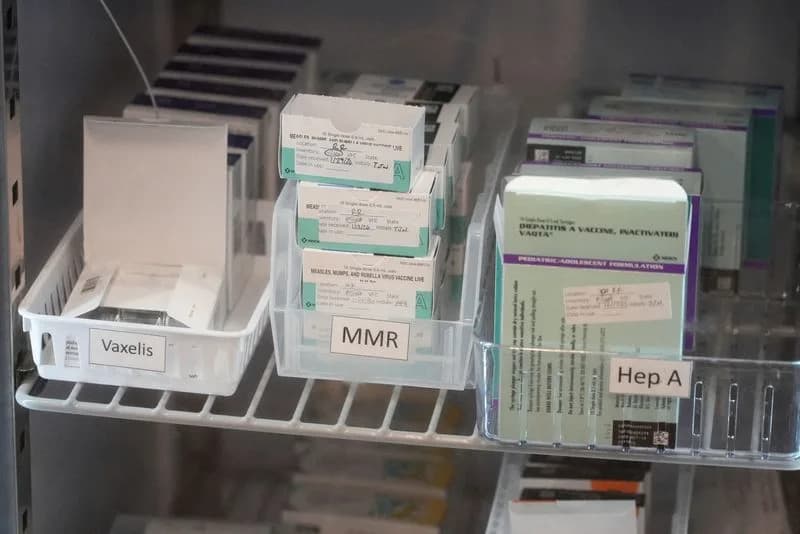
While public-health authorities recommend routine immunizations for all children, states require certain vaccines for students attending public schools K–12. Georgia’s required vaccines include:
- DTaP (diphtheria, tetanus, pertussis)
- Hepatitis A
- Hepatitis B
- MenACWY (meningococcal conjugate vaccine)
- MMR (measles, mumps, rubella)
- Polio
- Tdap (adolescent booster: tetanus, diphtheria, pertussis)
- Varicella (chickenpox)
Two commonly discussed vaccines are not required for school entry in Georgia: the COVID-19 vaccine and the HPV vaccine.
Why This Matters
VaxImpactMap aims to help public-health officials, clinicians and parents visualize where immunization gaps exist and quantify the potential health and economic consequences if vaccine coverage declines. Improving and maintaining high vaccination coverage protects children and reduces strain on hospitals and public-health budgets.
Reported by: Irene Wright, Atlanta Connect reporter, USA TODAY Deep South Connect.
Help us improve.