The New York Times reports that the Trump White House’s temporary ban on The Associated Press in early 2025 was tied not only to the AP’s refusal to call the Gulf of Mexico the “Gulf of America,” but also to a dispute over rights to an AP photo of Mr. Trump injured at a July 2024 rally. White House aides reportedly linked the press exclusion to that denial during a private 2025 lunch with network anchors. AP reporters were barred from multiple events in February 2025, and a federal judge later ruled the ban violated the First Amendment.
New Report: Photo-Rights Dispute Also Drove Trump White House’s AP Ban
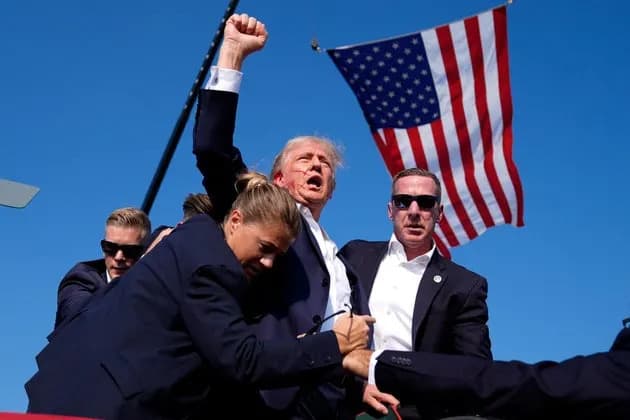
Another reason has reportedly emerged for the White House's decision to ban The Associated Press from covering certain events during the early weeks of Donald Trump's second term. via Associated Press
A new New York Times report reveals an additional motive behind the Trump White House’s temporary ban on The Associated Press (AP) during the opening weeks of President Trump’s second term.
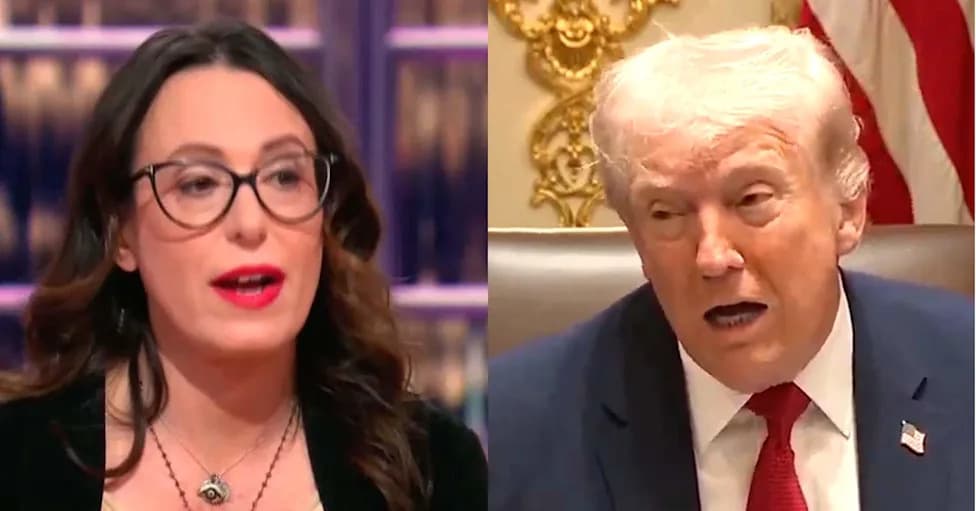
At the time, the administration publicly blamed the AP for refusing to adopt President Trump’s preferred name for the Gulf of Mexico — the “Gulf of America.” But reporting by Maggie Haberman and Jim Rutenberg says the dispute also involved a conflict over usage rights to a powerful AP photograph.
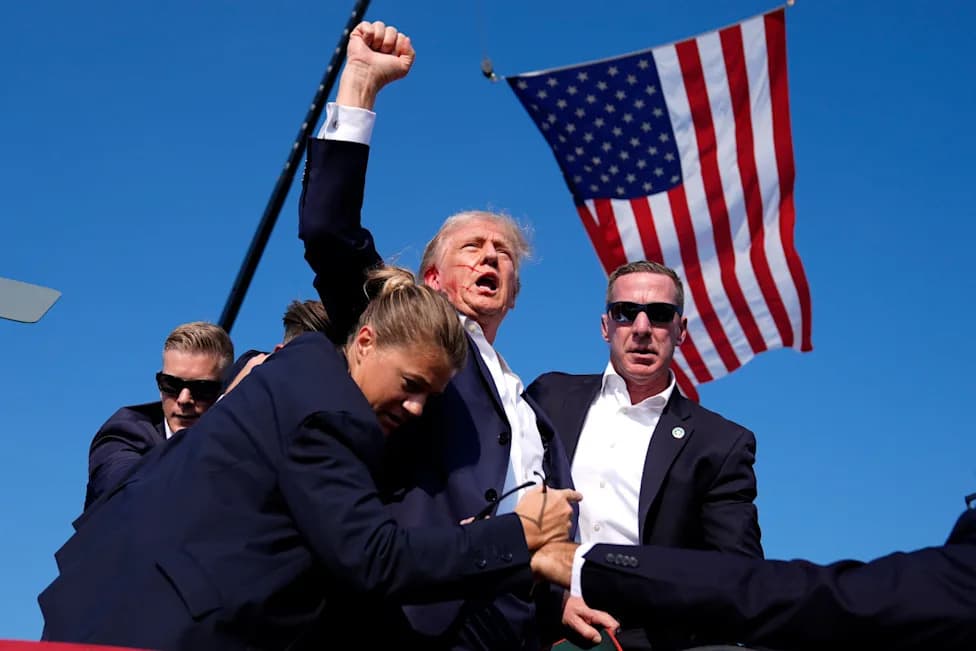
The contested image — described by the Times as showing Mr. Trump bloodied with a raised fist after the July 2024 attempt on his life at a campaign rally in Butler, Pennsylvania — was reportedly denied for campaign use by the AP. According to the Times, White House aides tied the decision to bar AP reporters to that denial during a private 2025 lunch between President Trump and network anchors, framing the restrictions as retaliation for the agency’s refusal to grant the campaign usage rights. The campaign later used the photo during the 2024 run.
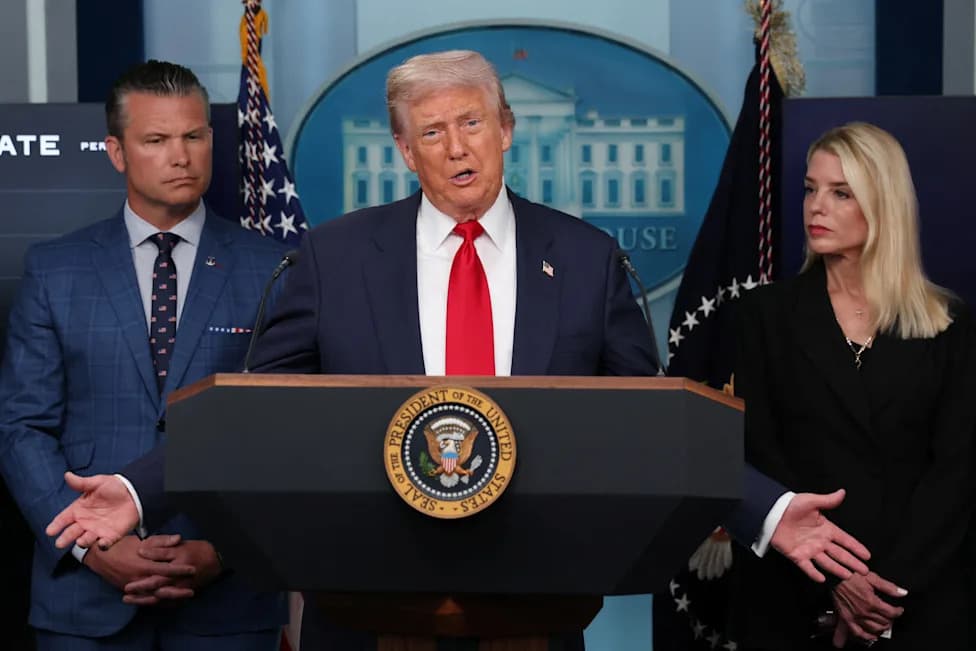
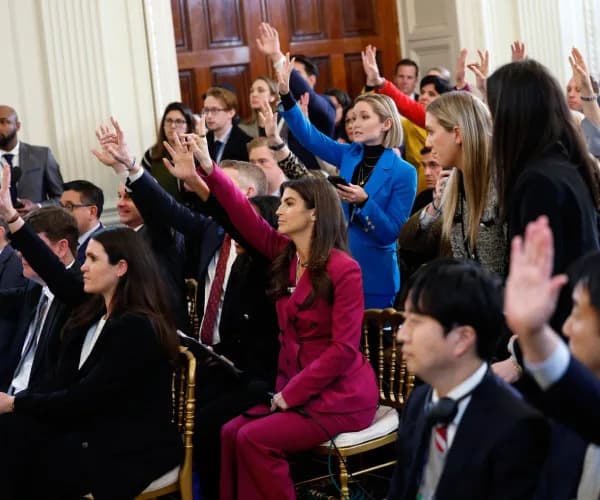
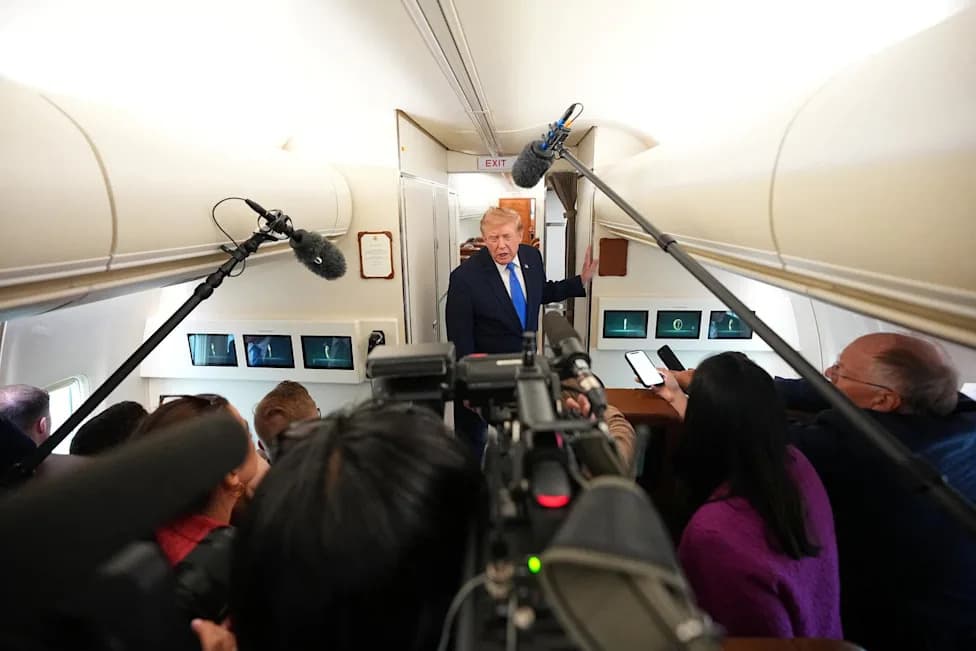
In February 2025, AP journalists were barred from several White House events, including a public question-and-answer session with President Trump and Elon Musk — who briefly led the administration’s spending-cutting initiative called the Department of Government Efficiency. The AP said it would continue to use the body of water’s established name while acknowledging Mr. Trump’s preferred alternative.
“White House aides tied the A.P. ban to the denial of the rights to the photo,” the Times reported.
A federal judge later ruled that the White House’s exclusion of AP reporters violated the First Amendment, finding the ban an unlawful restriction on press access. The episode has raised broader questions about press access, image rights and political retaliation.
Wider Context
The dispute over AP access has unfolded amid a broader renaming campaign by President Trump. He signed an executive order renaming Lake Ontario as “Lake America” and has floated rebranding New Mexico as “New America,” moves that intensified the initial clash over the Gulf of Mexico naming dispute.
This account from the Times adds nuance to a controversy that has drawn national attention and scrutiny of how administrations handle press relations and copyrighted content.
Help us improve.