Rachel Maddow says President Trump’s recent ban of CNN, MSNBC and Politico is less about correcting coverage than provoking his supporters. After the outlets’ reporters were denied entry and had credentials revoked, Maddow argued the move produces a predictable, hostile crowd response she likened to an "Orwellian two minutes hate." Press-freedom groups condemned the ban as unconstitutional, and the outlets vowed to challenge the restriction.
Maddow: Trump’s Ban on CNN, MSNBC and Politico Is About the Crowd’s Reaction — Not Just ‘Fake News’
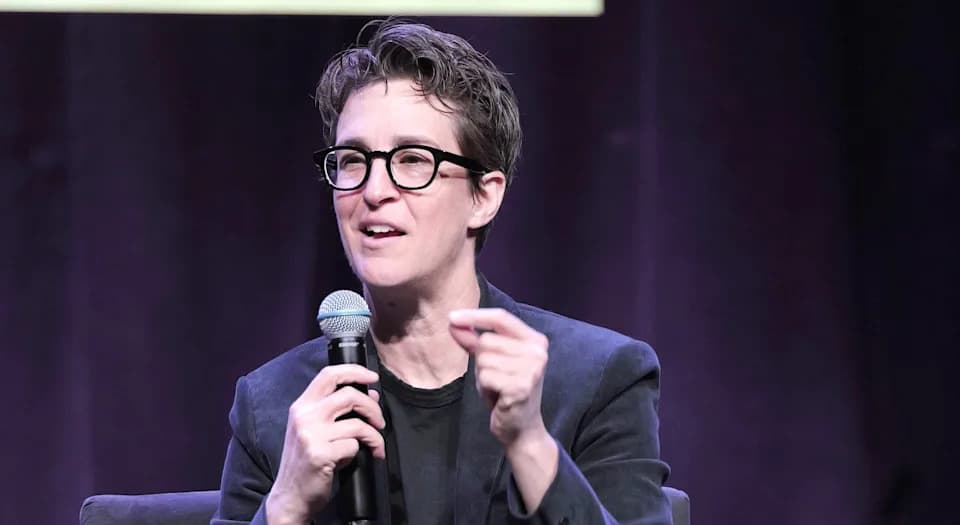
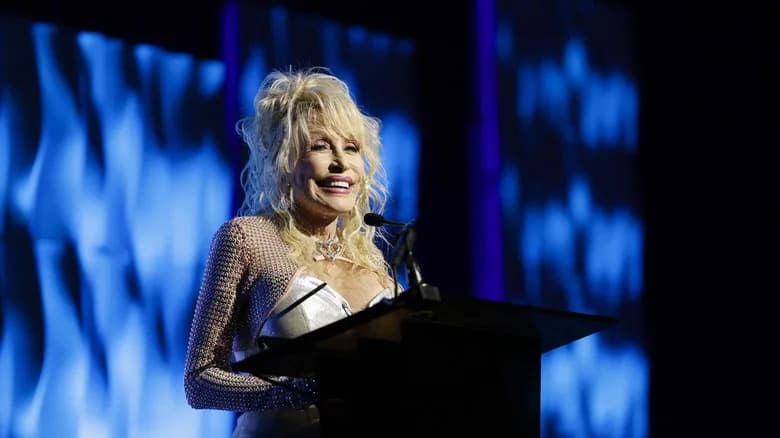
Rachel Maddow has a theory on Trump's press ban. / Craig Barritt/Getty Images for The New Yorker
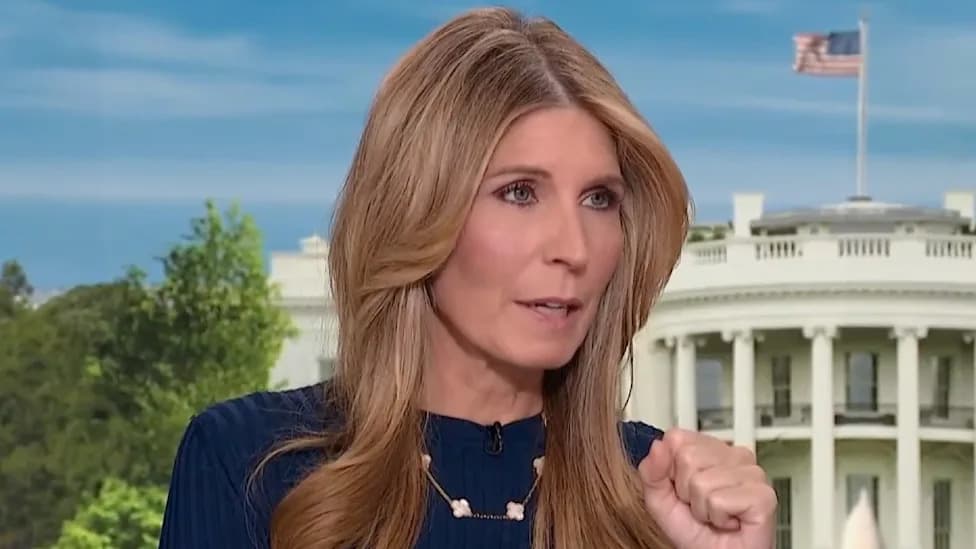
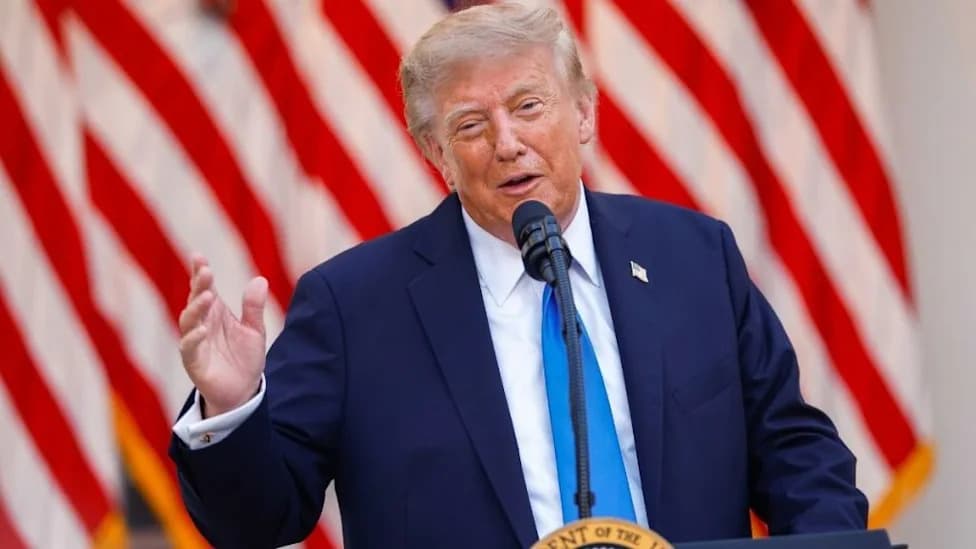
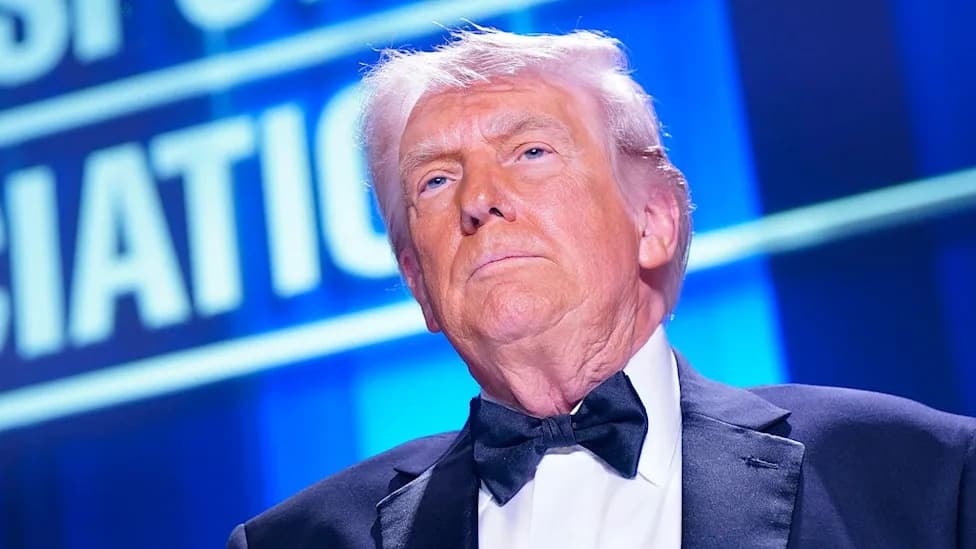
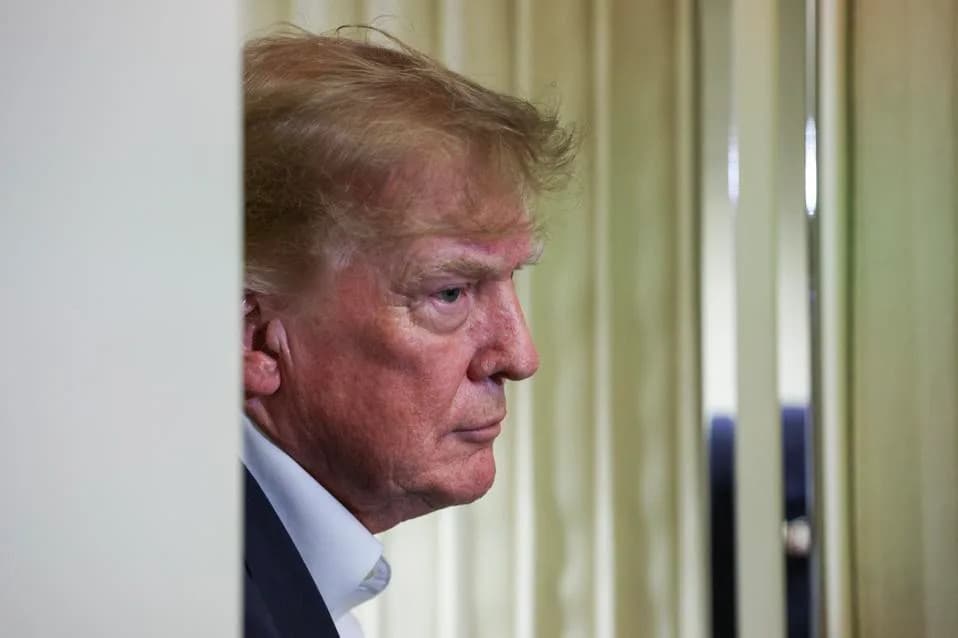
Rachel Maddow argues that President Donald Trump’s recent escalation against news organizations is driven less by a desire to correct reporting and more by the visceral reaction those attacks produce from his supporters.
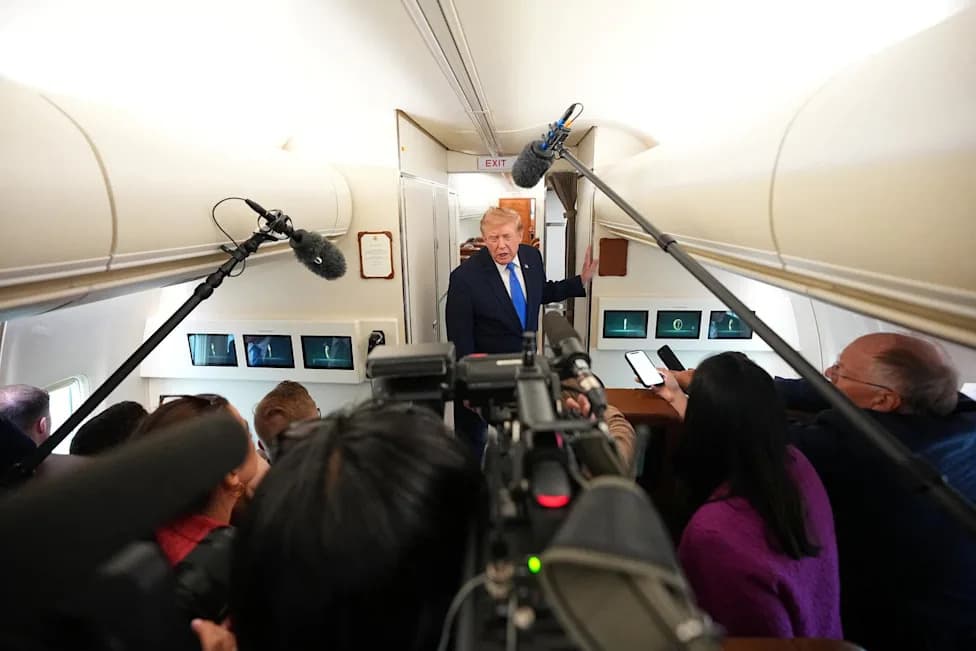
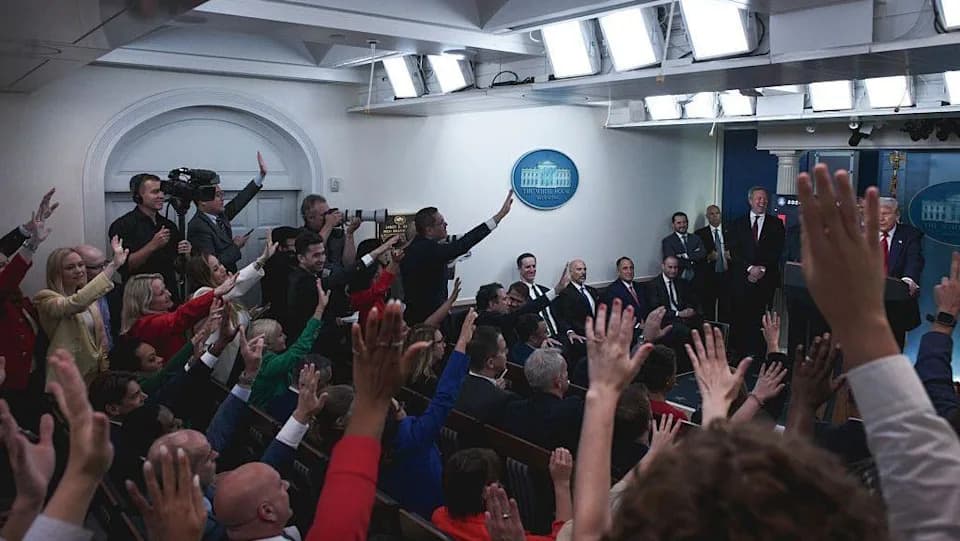
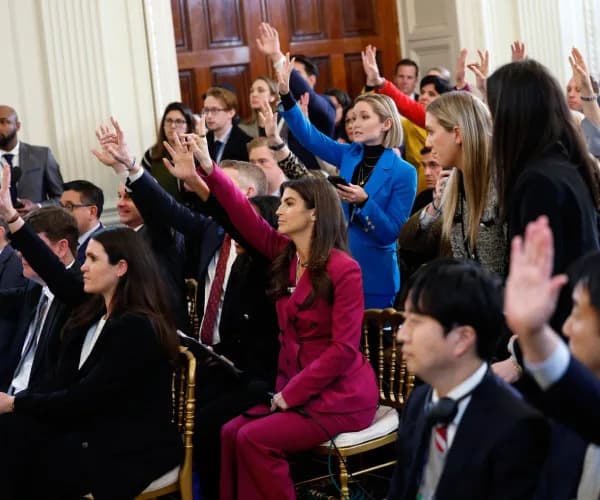
On Friday, the White House announced that reporters from CNN, MSNBC and Politico would be barred from certain press events; by Saturday, journalists from those outlets were denied entry and had their press credentials deactivated or revoked. The affected organizations pledged to challenge the move and defend their First Amendment rights.
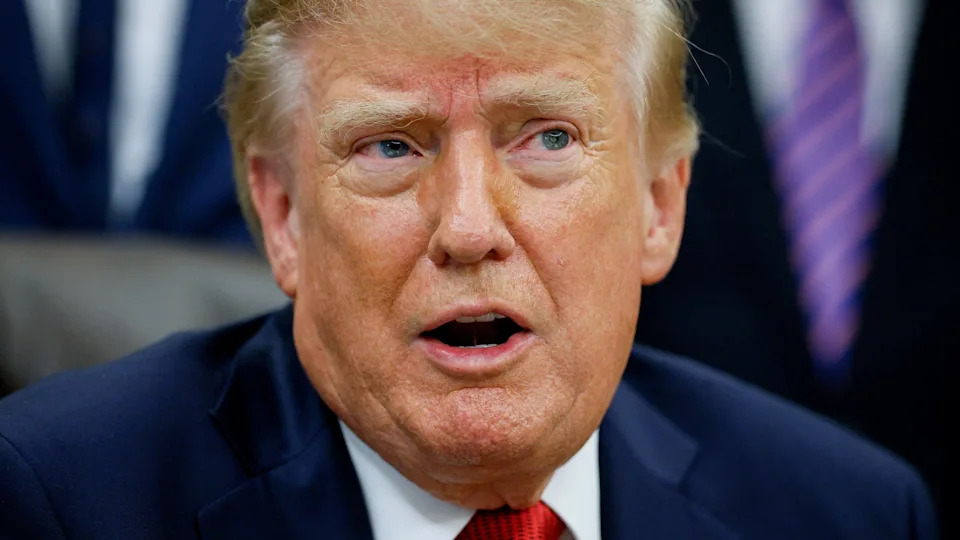
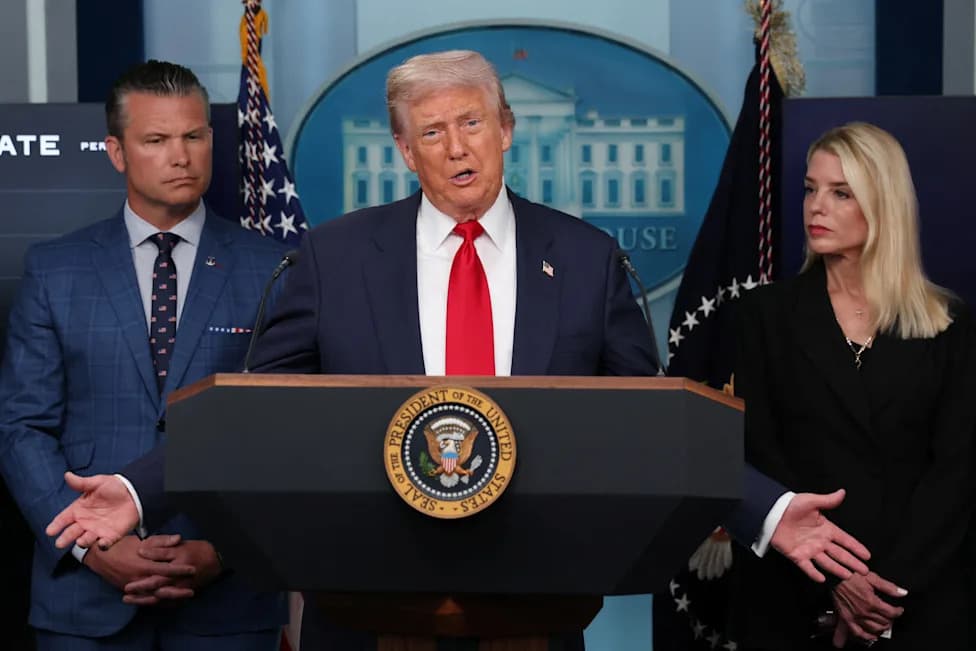
Trump has banned CNN, MS NOW, and Politico from the White House. / Evan Vucci / REUTERS
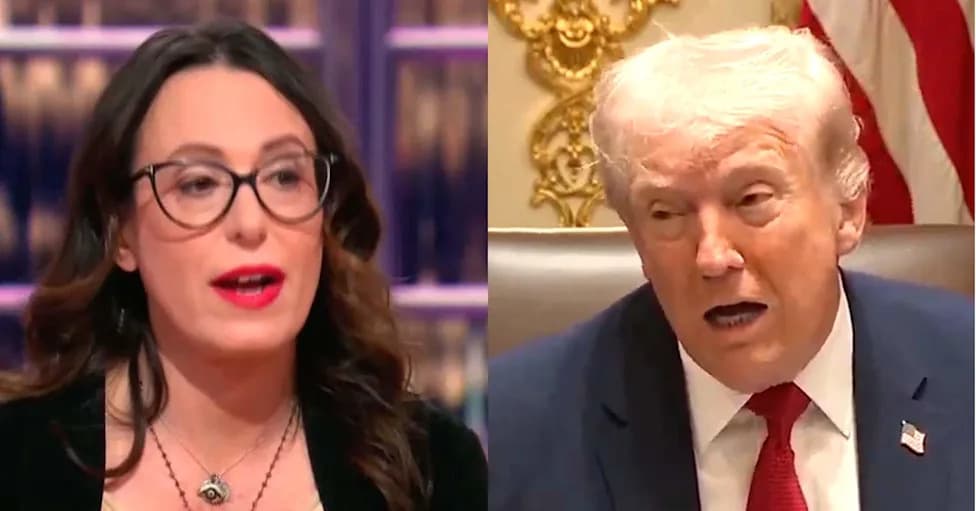
Speaking with NBC correspondent Peter Alexander on MSNBC, Maddow said the president understands the legal limits of his office but pursues press-bashing for a different payoff: the crowd response it reliably generates.
"I think he gets the First Amendment, and I think he knows what he can and cannot do as president," Maddow said. "But I think the reason that he said that, and then kept doing it, is because of what would happen right after he made those calls out to the crowd."
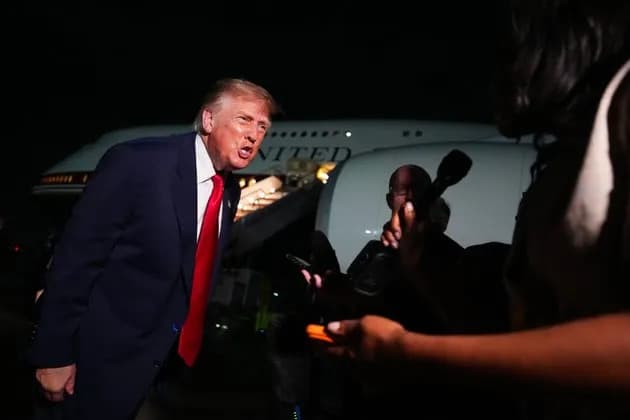
Maddow recalled covering Trump rallies during his 2016 campaign and presidency, when he would single out journalists and direct the audience’s attention toward them. Those moments, she said, could turn into a spectacle in which supporters taunted, insulted or even threatened reporters.
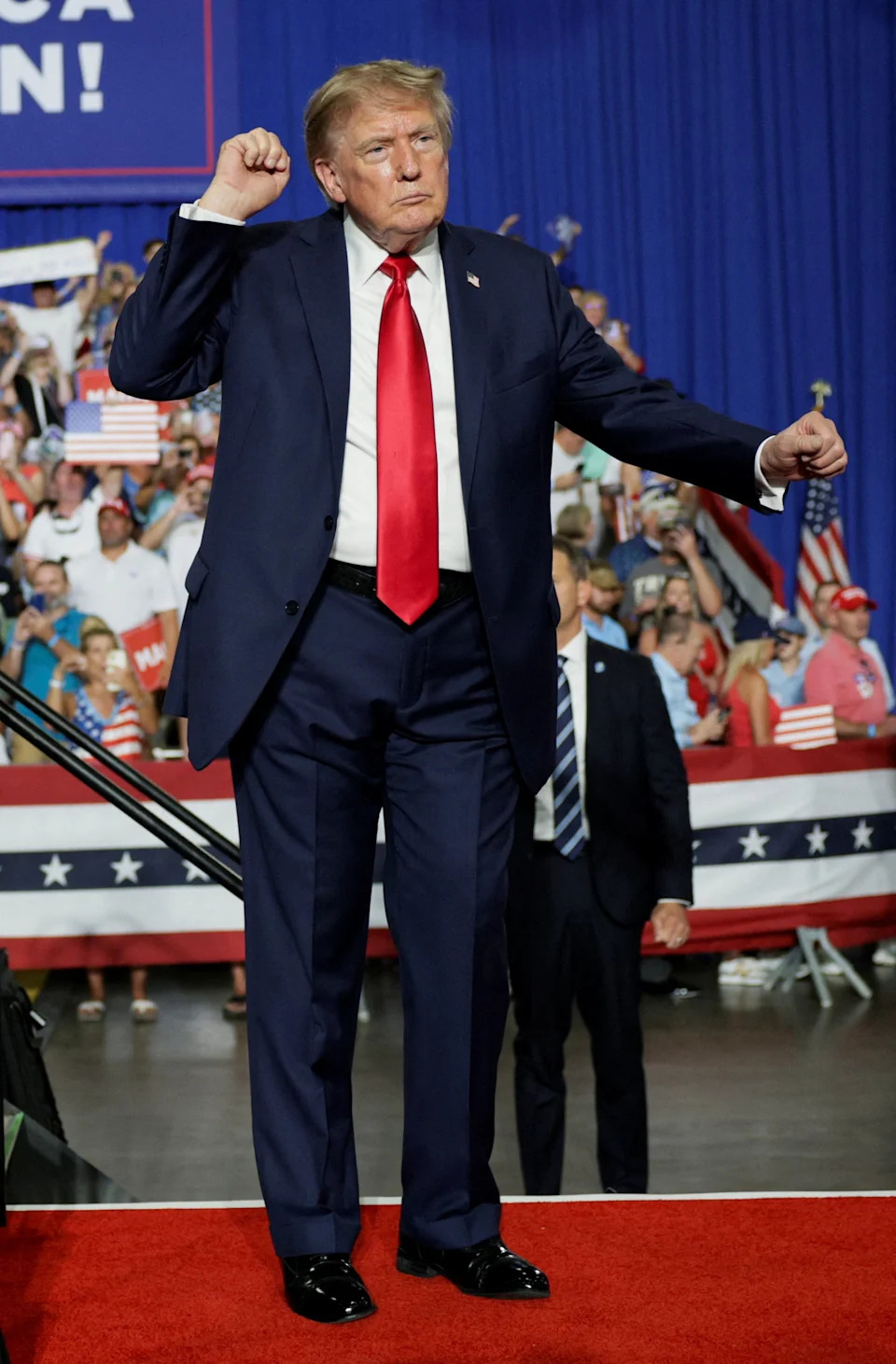
Trump dances during a campaign rally in South Carolina. / Evan Vucci / REUTERS
She used a stark comparison for the effect: an "Orwellian two minutes hate," a brief ritual of massized hostility that amplifies the bond between leader and audience. Maddow suggested that with some of Trump’s other mobilizing tactics becoming less reliable, he has returned to familiar provocations that consistently excite his base.
The ban has drawn swift criticism from press-freedom groups. The Reporters Committee for Freedom of the Press called the action "flatly unconstitutional," and the targeted outlets have said they will pursue legal remedies.
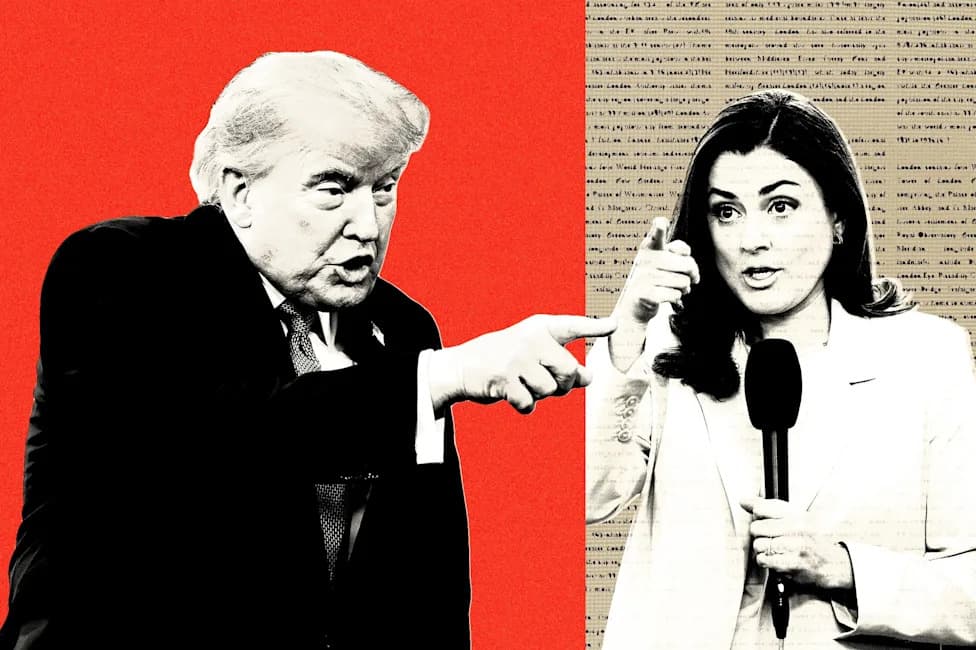
Trump defended his decision by accusing the outlets of publishing "FICTION and LIES" about him, his administration and the country, and he warned other news organizations could face similar treatment. The timing also prompted questions about whether the tactic reflected an affinity with authoritarian leaders who curb dissent; Maddow said the president appears drawn to models of media control and punishment.
For Maddow, the core question is straightforward: when Trump launches these attacks, he knows exactly what he will get — a charged crowd reaction that reinforces loyalty and spectacle — and that payoff appears to be the point.
Help us improve.