Mathew Barlow, a climate scientist at UMass Lowell, warns that inland river cities like Lowell face growing flood risk as a warmer atmosphere fuels heavier downpours. He likened the atmosphere to a "bigger sponge," explaining why extreme storms are intensifying. Barlow cited the 2006 Mother's Day flood—when riverwalks about 15 feet above the river were submerged—and cautioned the Merrimack can rise 20–30 feet in a major event. He urges using green infrastructure (rain gardens, swales, trees) to absorb runoff and reduce flood impacts while improving urban livability.
Inland River Flood Risk Rising as Heavy Rain Intensifies, UMass Lowell Scientist Warns
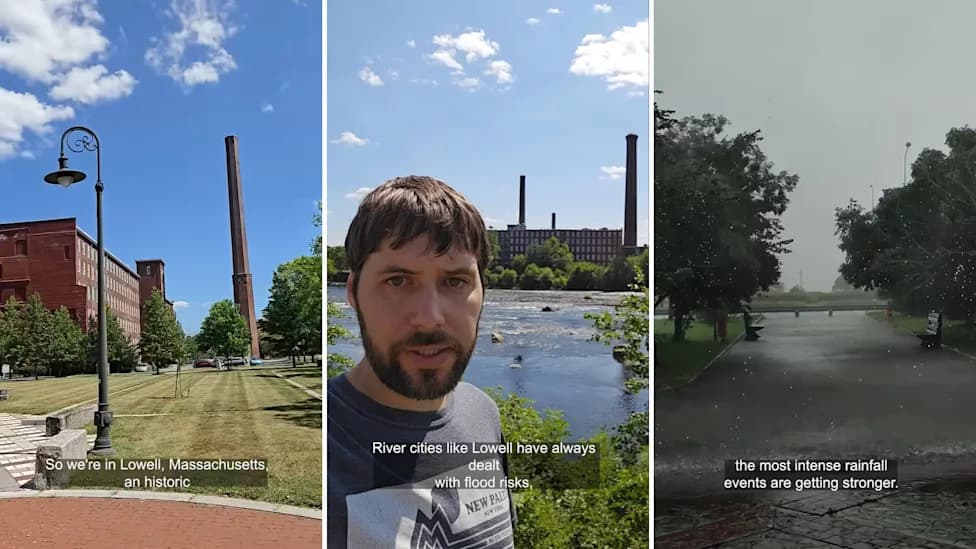
Photo Credit: YouTube
Climate scientist Mathew Barlow of UMass Lowell warns that inland river cities such as Lowell must prepare for stronger and more frequent river floods as a warmer atmosphere produces heavier downpours.
Why the risk is growing
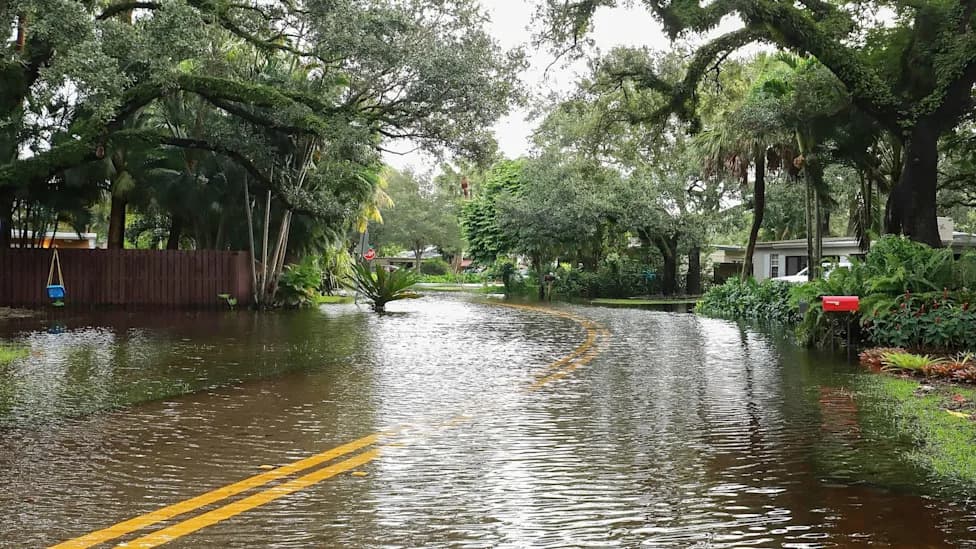
Barlow explained in a video from Ask MIT Climate that a warming atmosphere can hold more moisture, making extreme storms more intense. He used a simple analogy: "The warmer the atmosphere gets, the bigger the sponge is." When a storm drops a large amount of rain in a short time, rivers can surge rapidly and inundate adjacent neighborhoods and infrastructure.
Local history and vulnerability
Lowell, a historic mill city at the confluence of the Merrimack and Concord rivers, grew because of nearby waterways. Dams, canals and mill infrastructure were built to channel water for transport and power, leaving homes, mills and public spaces close to high water levels. That proximity increases the city’s flood vulnerability today.
Barlow recalled the 2006 Mother's Day flood, when sections of the riverwalk that sit roughly 15 feet above normal river level were submerged and several mill buildings flooded.
He also warned that, under major flood conditions, the Merrimack River can rise 20 to 30 feet in some locations — a surge large enough to overwhelm low-lying neighborhoods and critical infrastructure.
What cities can do
Barlow urged cities to redesign urban areas so they retain and absorb more stormwater. Practical measures include grassed swales, rain gardens, permeable pavements, expanded tree canopy and restored floodplains. These green infrastructure solutions reduce runoff during heavy storms while improving air quality, lowering urban heat and enhancing public spaces.
Broader context
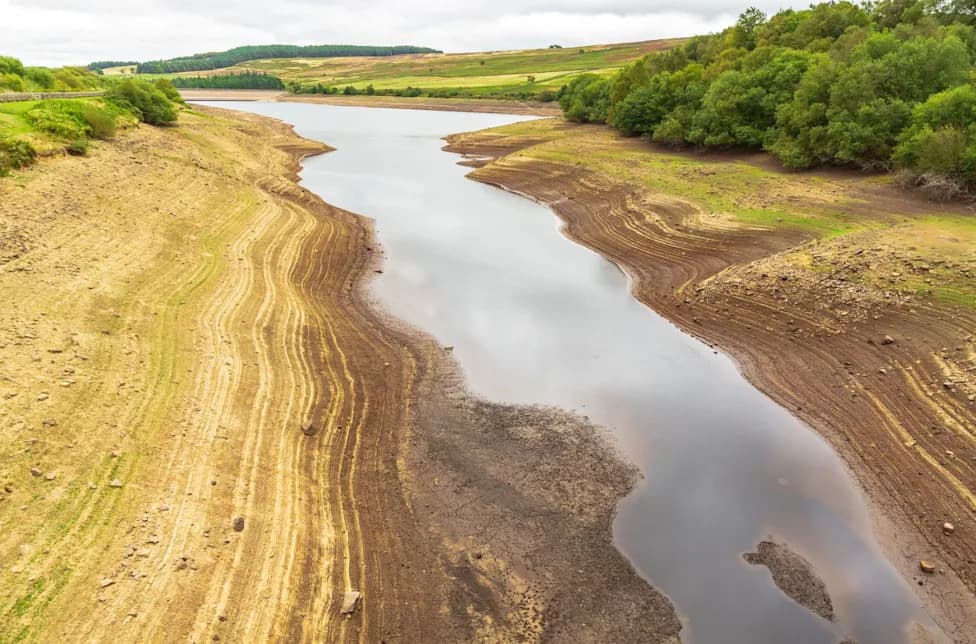
Lowell’s situation reflects a larger pattern: as the climate warms, the most intense storms get stronger, and regions may experience sharper swings between floods and drought. Observers point to disrupted atmospheric patterns, including jet stream shifts, which in recent years have been linked to extreme rainfall events in multiple regions.
- Increased atmospheric moisture makes extreme rainfall events heavier.
- Historic development close to rivers raises exposure to flood damage.
- Green infrastructure can substantially reduce runoff and flood impacts.
- Local floods are part of a global trend of more intense storms and greater variability between floods and droughts.
Takeaway: Planning and investment in nature-based stormwater management can cut flood risk and provide co-benefits for urban communities as rainfall intensity grows.
Help us improve.