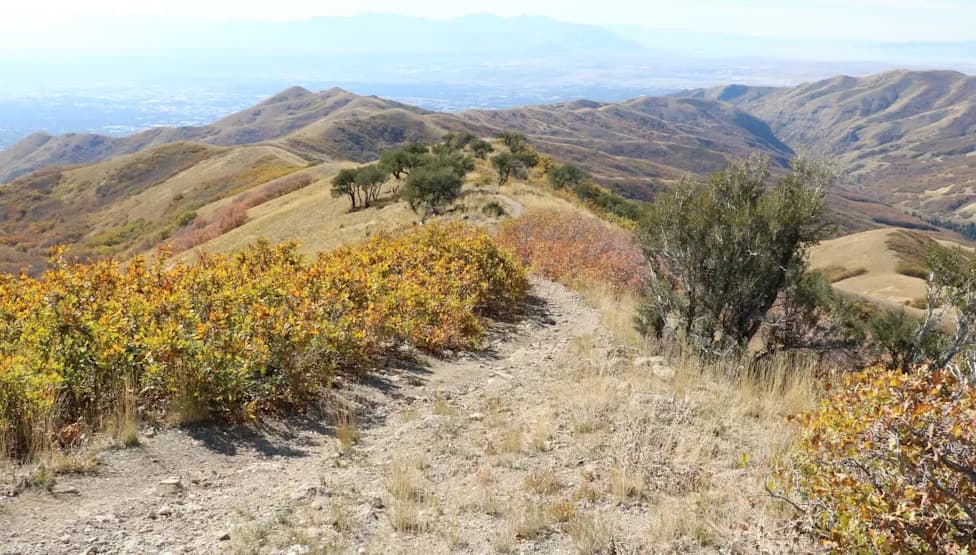
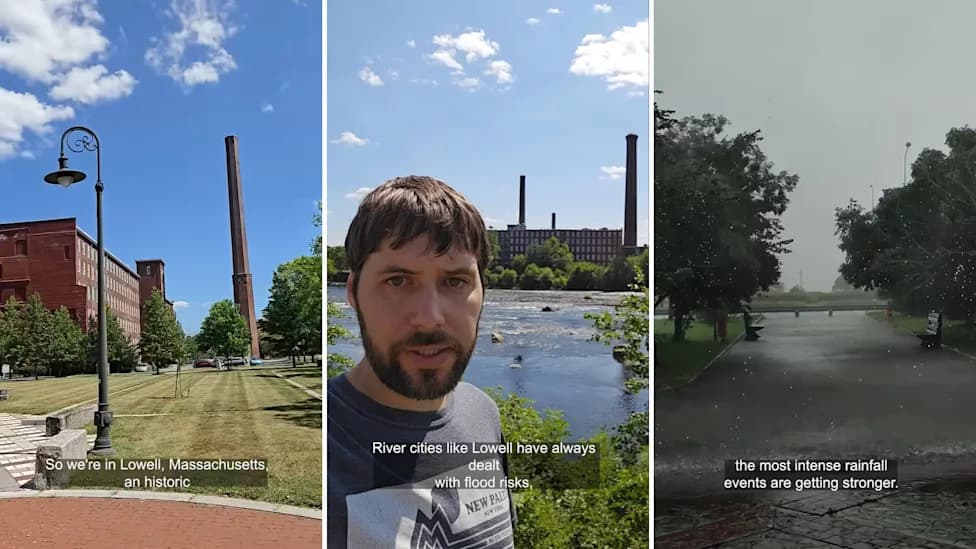
New England winters are warming faster than other seasons, changing snow behavior and exacerbating both flood and drought risks. A $5.9 million NSF-backed effort will create the region's first automated snowpack network, deploying sensors and "snow pillows" to measure snow totals, snow water equivalent (SWE) and melt rates in real time. The data will improve flood forecasting and water-resource planning and help communities and winter-recreation businesses prepare for a less predictable season.
New England Builds First Real-Time Snowpack Network as Warmer Winters Raise Flood and Drought Risks
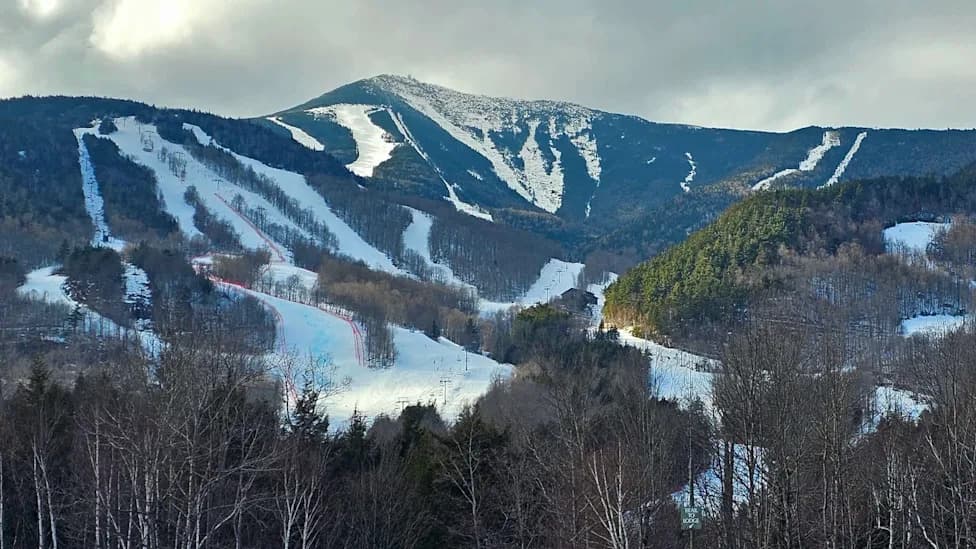
Photo Credit: iStock
Winter in New England is shifting: regional winter temperatures are rising faster than other seasons, changing how snow behaves and increasing risks from both flooding and drought. Researchers in Vermont, New Hampshire and Maine have launched a collaborative effort to monitor snowpack in real time to better forecast water supplies, flood danger and economic impacts on winter recreation.
What the Project Will Do
Backed by a $5.9 million National Science Foundation grant, teams at universities across the three states are building what Vermont Public reported will be the region's first comprehensive, automated snowpack monitoring network. The system will deploy a suite of sensors at multiple elevations to record snow totals, snow water equivalent (SWE) — the amount of water contained in snow — and melt rates continuously.
Why Automated Monitoring Matters
Traditionally, snow measurements are taken manually and intermittently. Automated stations — including instruments such as "snow pillows" that effectively weigh the snowpack to estimate density and water content — will provide continuous, granular data to support river forecasts, flood warnings and water-resource planning.
"These new automated monitors will allow for more comprehensive and continuous measurements to gain a better understanding of change, provide data and a dashboard, and help forecast a wide variety of activity with our rivers, forests, and overall flooding," said Elizabeth Burakowski, the snow scientist leading the group's work in New Hampshire.
Risks From Changing Winter Patterns
Winter storms in New England are becoming more concentrated into intense events, and rain falling on existing snowpacks is occurring more often. That combination can increase near-term flood risk during rain-on-snow events while also reducing late-season water availability, worsening drought later in the year. Without reliable, real-time SWE readings, hydrologists have a harder time predicting where flash flooding will occur and how much water will ultimately be available from spring melt.
Economic Stakes
Winter outdoor recreation — skiing, snowboarding and other snow-dependent activities — is an important economic driver in northern New England. Models cited by Vermont Public suggest that if fossil-fuel emissions remain on their current trajectory, smaller ski areas could become unviable by about 2080 and typical ski seasons could shrink by roughly a month, threatening jobs and local economies.
Keith Jennings, who is coordinating the work at the University of Vermont, said the team plans to deploy snow pillows and other established instruments already used widely in the western United States. Researchers say comparable capabilities are now needed in New England as winter weather grows less predictable.
Broader Context
Related studies and reporting point to wider trends: Dartmouth researchers documented long-term Northern Hemisphere snowpack declines over 40 years; in California, atmospheric-river-driven melts have increased flood danger into Lake Tulare and shifted Sierra Nevada snowpack patterns; and in Colorado, experts warn that winter storms alone are not erasing growing snow-drought concerns. The new New England network aims to fill critical data gaps and improve regional forecasting amid these shifting conditions.
What To Expect Next: Installation of automated stations across elevation gradients, public dashboards with continuous data, and improved flood and water-availability forecasts that help municipalities, recreation businesses and water managers plan for a warming winter climate.
Help us improve.