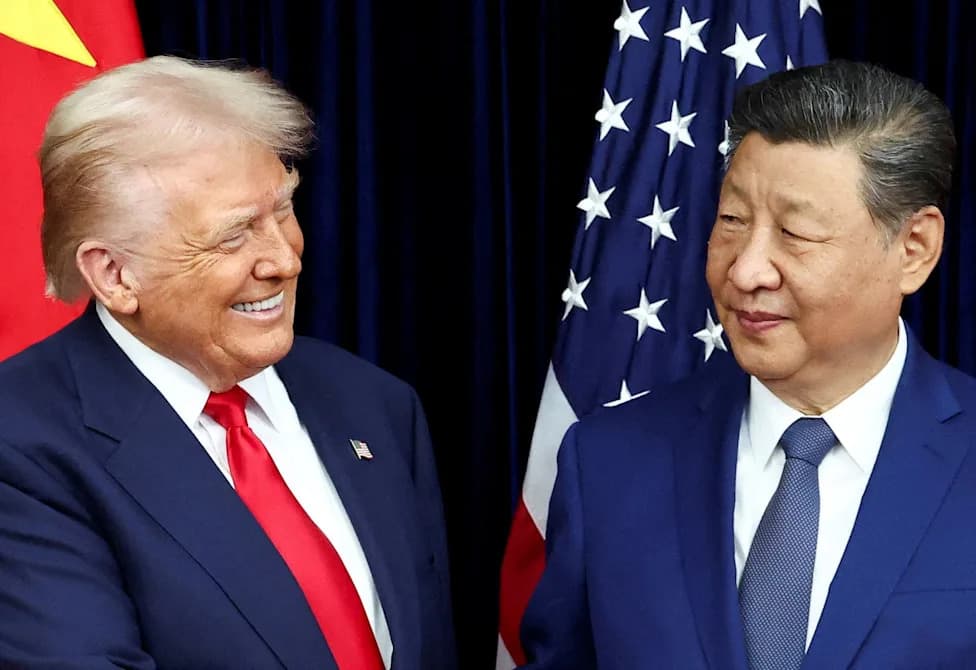
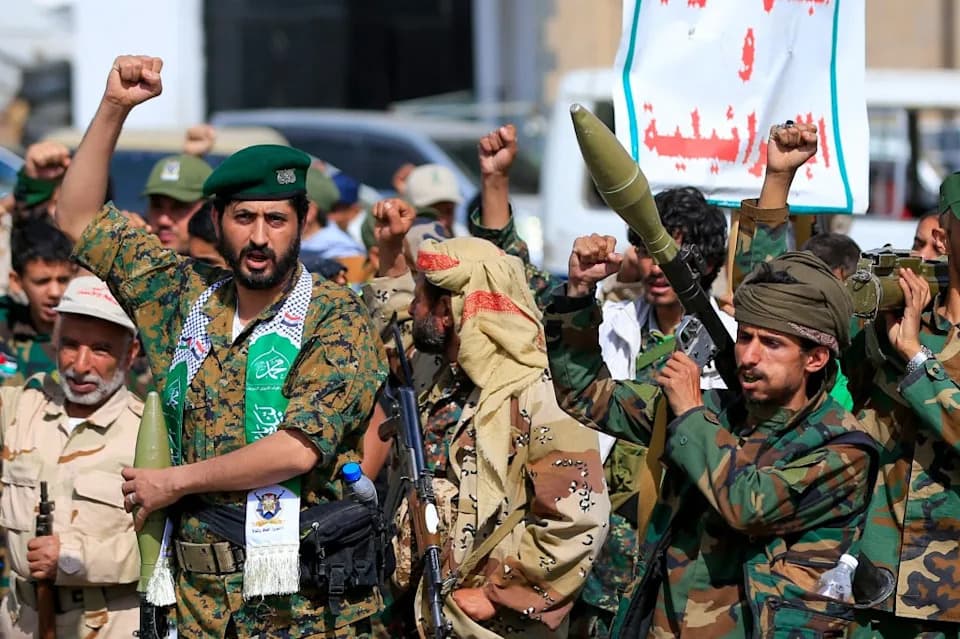
Key developments: Saudi Arabia is asking China to use its leverage with Iran to curb Houthi attacks on oil routes, a move that could boost Beijing's regional clout. In South Africa, activists demand a temporary halt to data-centre construction over concerns about water and electricity. Australia is offering over $400 million to help Papua New Guinea launch a professional NRL team, conditioned on avoiding a security pact with China.
Saudi Asks China To Rein In Houthis; South Africans Protest Data Centres; Australia Bets On Rugby To Counter China
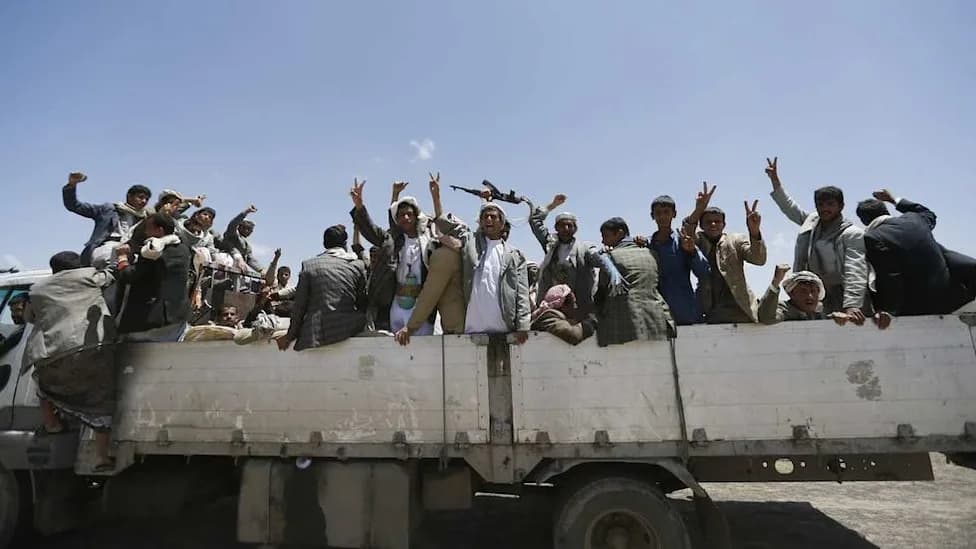
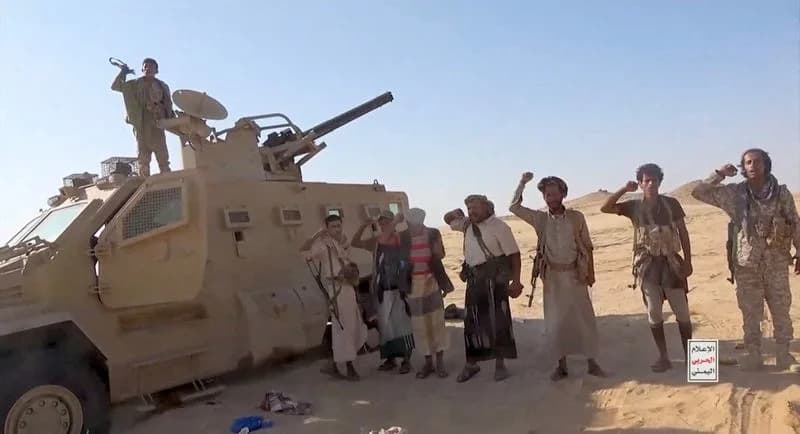
Followers of the Shi'ite Houthi group ride on a truck at a gathering near the Yemeni capital Sanaa August 20, 2014.
Three separate geopolitical and domestic flashpoints are playing out across three regions: Saudi Arabia is quietly asking Beijing to press Tehran to restrain Houthi attacks on oil export routes; South African activists are demanding a pause on the rapid expansion of data centres over water and power worries; and Australia is using sport diplomacy — a sizable rugby offer — to limit Chinese influence in the Pacific.
Saudi Arabia Taps China To Calm The Houthis
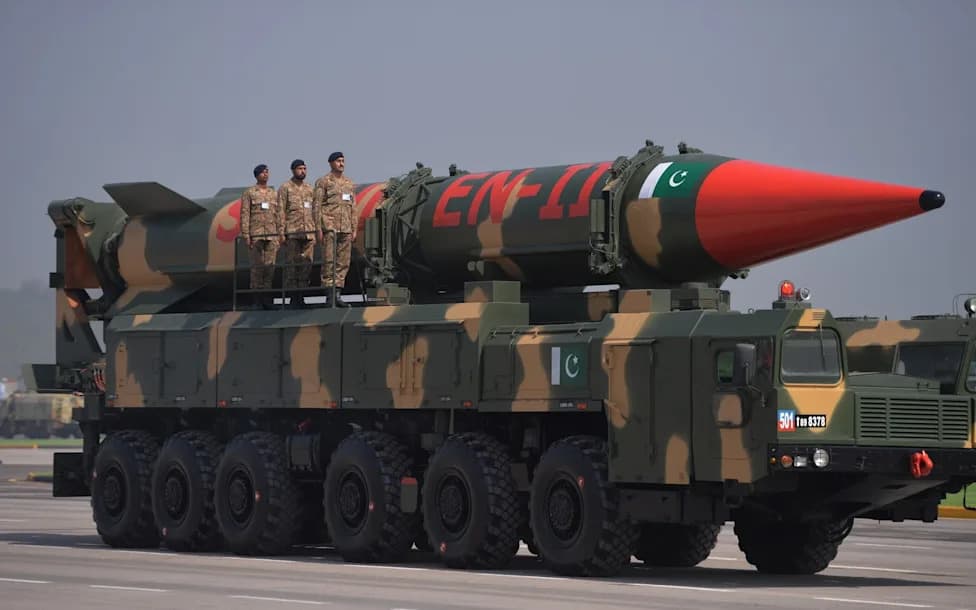
Diplomats say Saudi officials have been leaning on China to use its relationship with Iran to influence the Iran-backed Houthi movement, whose attacks on Red Sea and Gulf shipping lanes threaten Saudi oil exports. China is both Iran's largest trading partner and the world's biggest oil importer, giving Beijing strategic incentives to avoid disruptions to energy flows. Beijing also improved ties with both Tehran and Riyadh in recent years — including brokering a 2023 rapprochement between the two Gulf rivals — and recent reporting suggests Saudi forces have acquired China-made missile systems. If China can persuade Iran to rein in the Houthis, Beijing's regional leverage would increase significantly.
South Africans Demand Moratorium On Data-Centre Construction
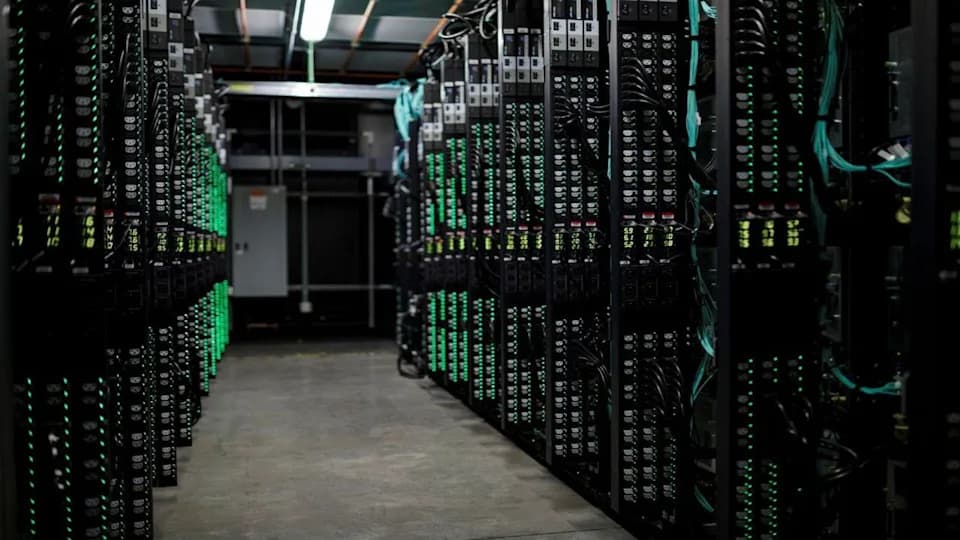
Civil-rights groups in South Africa have called for a moratorium on new data-centre construction while the government investigates the sector's use of scarce water and electricity. South Africa already hosts more data centres than any other African country, many owned by foreign (including American) firms, despite the continent accounting for roughly 1% of global data-centre capacity. Critics warn these facilities are both water- and power-intensive: Cape Town narrowly avoided a "Day Zero" water crisis in 2018, and the country has only recently emerged from a prolonged electricity shortfall. Activists say a rapid, unregulated build-out risks straining essential resources and worsening inequality in service access.
Australia Uses Rugby As Soft Power In Papua New Guinea
Australia has proposed more than $400 million to help establish a professional National Rugby League (NRL) team in Port Moresby — a move aimed at deepening ties with rugby-obsessed Papua New Guinea. The offer includes a clear geopolitical condition: PNG should not sign a security agreement with China. Beijing has stepped up investment across the Pacific, and the 2022 Solomon Islands security pact with China heightened Canberra's sense of urgency to protect influence in its neighborhood. For now, Papua New Guinean officials appear receptive, and Canberra is betting sport diplomacy can complement traditional security and development tools.
Why it matters: Each story illustrates how economic interests, domestic resource pressures and soft-power strategies intersect with great-power competition — from oil security in the Gulf to water and power resilience in South Africa, to influence contests in the Pacific.
Help us improve.