Researchers now link 6PPD‑quinone (6PPD‑Q), a toxic breakdown product from tire wear, to a massive 2007 die‑off of juvenile coho salmon at Fish Gut Alley in Duncan, B.C. A 2020 Science study and subsequent field work show tiny amounts of 6PPD‑Q in stormwater runoff can kill coho rapidly. Green stormwater measures like rain gardens and bioretention can remove most of the contaminant, and Canada has placed 6PPD and 6PPD‑Q on a 2025 priority assessment list. Indigenous leaders and scientists say targeted infrastructure and policy changes could substantially reduce future kills.
Tire Chemical 6PPD‑Quinone Linked To Mass Death Of Juvenile Coho Salmon in B.C.
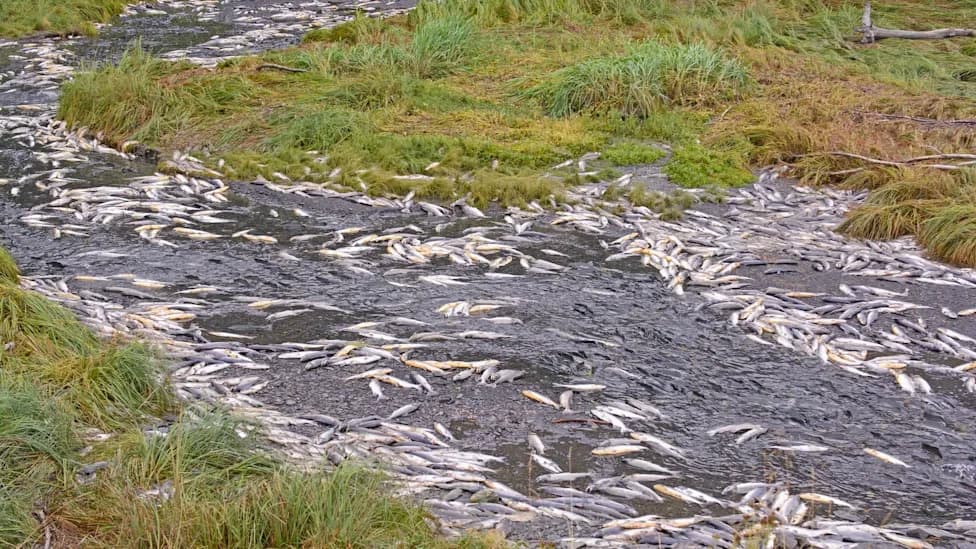
Photo Credit: iStock
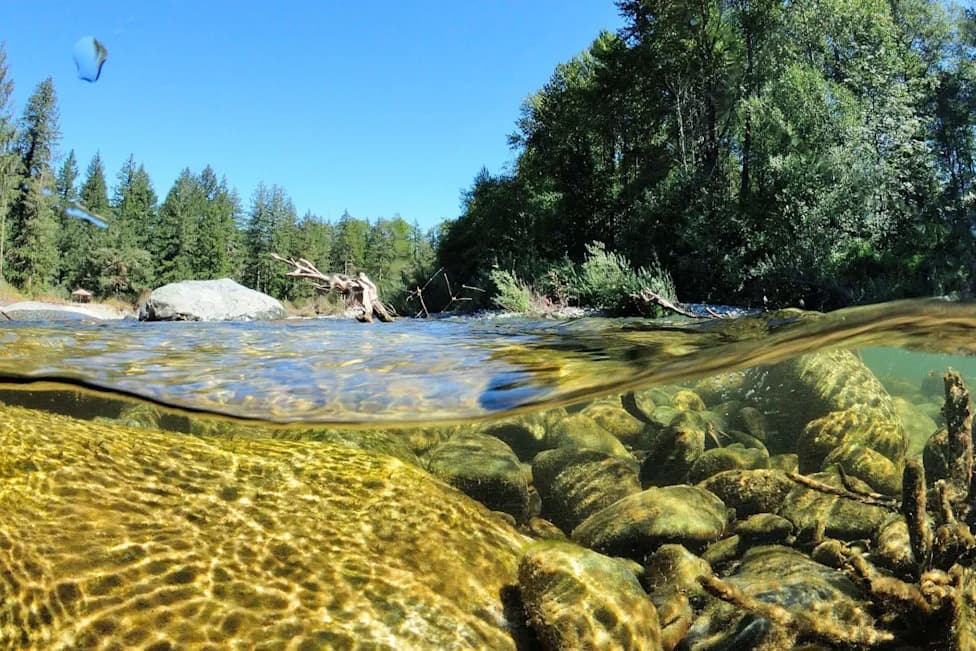
A Canadian biologist who investigated a dramatic 2007 salmon kill on Vancouver Island says a little‑known chemical produced from tire wear — 6PPD‑quinone (6PPD‑Q) — was likely responsible for the deaths of thousands of juvenile coho salmon. Growing evidence from laboratory studies and field monitoring now links urban stormwater runoff carrying tire particles to rapid and widespread coho mortality.
What Happened At Fish Gut Alley
In June 2007, Elder Siilh'na'mut Ken Elliott discovered thousands of distressed juvenile coho near a storm drain at Fish Gut Alley in Duncan, British Columbia. The fish were observed circling and gasping at the surface; local fishery officer Willi Aquino later reported the animals were dying close to the drain.
How Scientists Traced The Cause
Qutxulenuhw Tim Kulchyski, a biologist and member of the Cowichan Tribes, spent years investigating the die‑off and concluded the culprit was a degradation product of a common tire additive. 6PPD, added to tires to prevent rubber from cracking, breaks down in the environment to form 6PPD‑quinone (6PPD‑Q). A landmark 2020 paper in Science showed that minute concentrations of 6PPD‑Q can be lethal to coho salmon.
“6PPD‑Q is among the most toxic chemicals that we know of for aquatic life,” said aquatic toxicologist Jenifer McIntyre, summarizing findings from lab and field work linking urban runoff to coho deaths.
Scale And Impact
Field studies in the Puget Sound region found that roughly 40% of surveyed urban streams were affected; between 40% and 90% of coho exposed to contaminated stormwater died within hours, often before spawning. Kulchyski and Indigenous communities report steep long‑term declines: coho counts in the broader Cowichan River system are down more than 90% compared with the 1970s.
Monitoring And Mitigation Efforts
Researchers at Vancouver Island University's Centre for Health & Environmental Mass Spectrometry have ramped up monitoring, processing up to 100 water samples per day and installing an automated sampler at Fish Gut Alley to capture contamination during rain events. Because 6PPD‑Q can bind to soil and particulates, green stormwater infrastructure — including rain gardens and bioretention systems — can trap contaminated runoff before it reaches salmon nurseries. Tests at the University of British Columbia showed roughly 90% removal in some configurations, and a long‑term Washington State University bioretention study reported prevention of coho deaths over 13 years.
Regulatory And Industry Response
In winter 2025, the Canadian government added 6PPD and 6PPD‑Q to a priority assessment list. The U.S. Tire Manufacturers Association and other industry groups say they are searching for safer alternatives to current tire chemistries while researchers and regulators evaluate management options.
Why It Matters
Salmon are essential ecologically and culturally. Indigenous communities depend on healthy runs for food, ceremonies, and livelihoods. Kulchyski emphasized that practical infrastructure changes can make an immediate difference: “If we actually start incorporating these concerns in building new bridges and treatment systems, it will immediately make a huge difference.”
Ongoing monitoring, green infrastructure, product reformulation, and regulatory assessment together offer a path to reduce future urban salmon kills and protect vulnerable nursery habitats.
Help us improve.