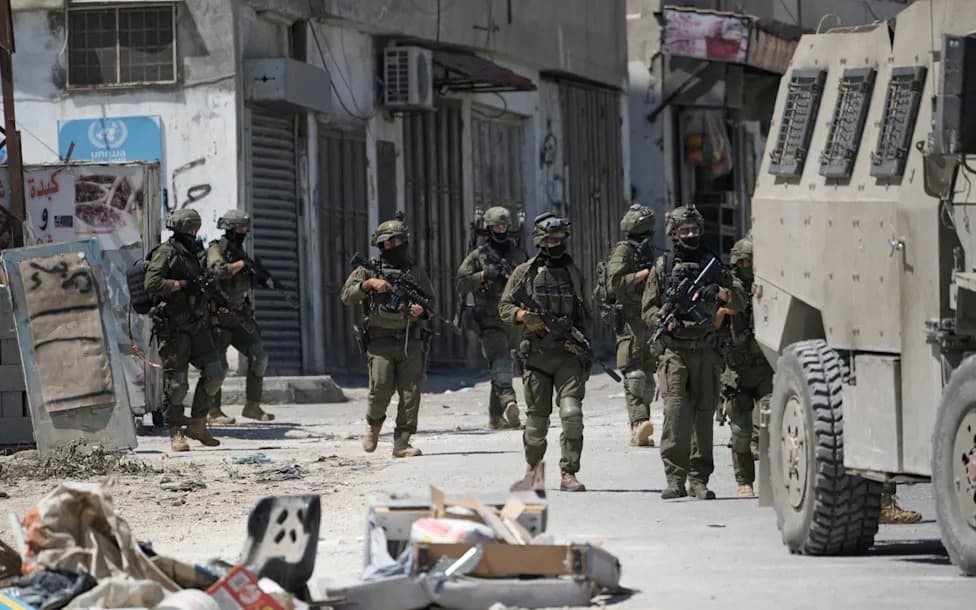
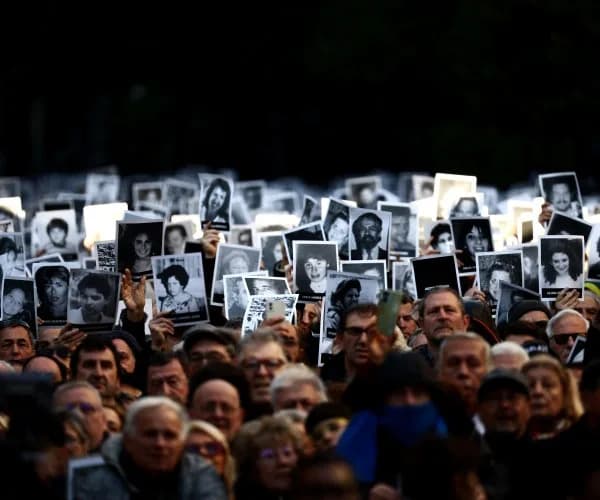
The article argues Western leaders often cast Palestinians as perpetual victims, which the author says obscures instances where Palestinian leaders rejected statehood offers and used territories such as Gaza to launch attacks. It criticises corruption within Palestinian institutions, PA payments to families of attackers, and the exceptional, multigenerational refugee status administered by UNRWA. The piece warns that sentimentalising victimhood risks harming ordinary Palestinians and prevents honest appraisal of extremism and governance failures.
Reassessing the Narrative: How Perpetual Victimhood Shapes the Palestinian Question
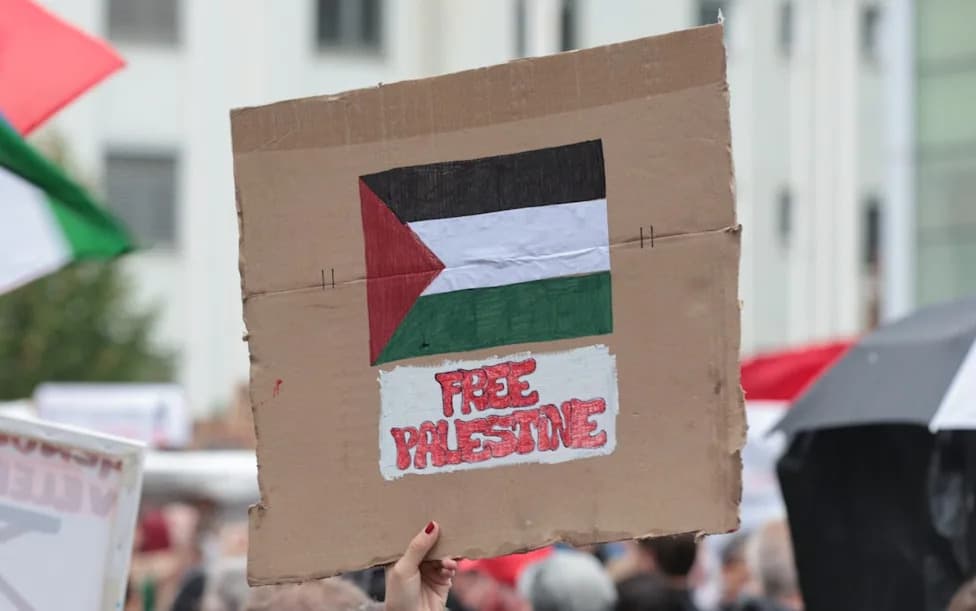
Millions of people around the world are obsessed with the Palestinian cause - Anadolu/Ales Beno
With the swagger of a striker after a hat-trick, the Prime Minister recently praised himself for taking a lead “on the world stage” by defending Palestinians as an underdog and supporting sanctions on Israel. That applause-for-sympathy framing, the columnist argues, reduces a century of complex history to a simplistic victim-versus-aggressor story.
How The Victimhood Narrative Forms
The column contends that Palestinians have been cast as perennial victims in large part because their chief adversaries are Jews, a dynamic the writer describes—quoting Edward Said—as making them the “victims of the victims.” This framing, the author warns, often glosses over instances in which Palestinian leaders have initiated hostilities or rejected successive peace proposals.
History, Borders And Missed Opportunities
The piece questions why calls to restore the 1967 lines are treated as final solutions when earlier concessions and proposals were rejected by Palestinian leadership. It also notes that Jordan and Egypt administered the West Bank and Gaza respectively until the Six-Day War of 1967, context the author believes is sometimes overlooked in debates about territorial claims.
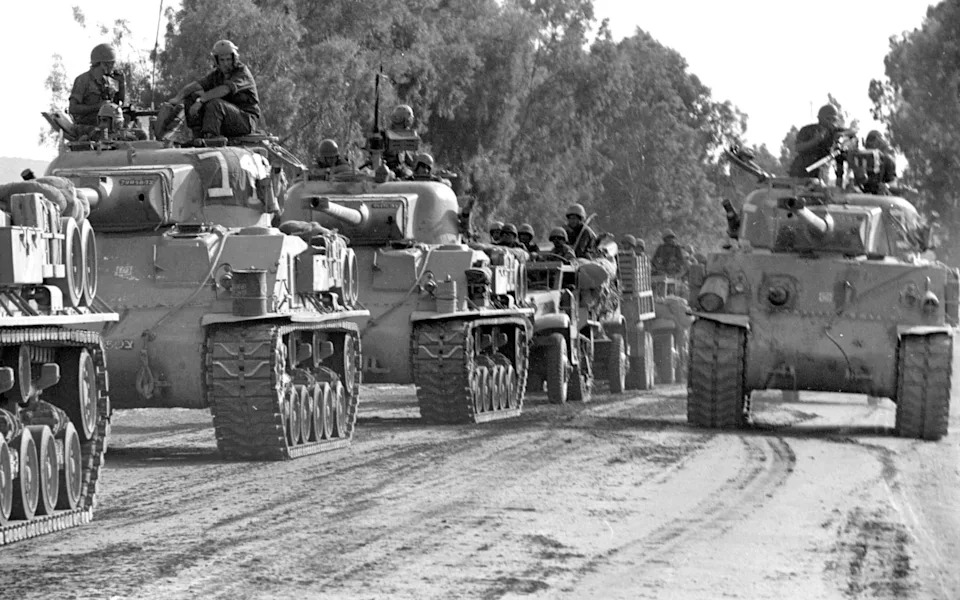
Jordan and Egypt controlled the West Bank and Gaza until the Six-Day War in 1967 - Israeli Defence Ministry/Reuters
Gaza, Governance And Violence
The article argues that Gaza was effectively offered as a quasi-state that might have demonstrated a shift away from attempts to destroy Israel, but was instead used to mount further attacks, culminating in the events of 7 October. The author says those actions have frequently been framed as “resistance” rather than outright aggression, even amid reports and allegations of atrocities against civilians.
Corruption And Rewarding Violence
Corruption in Palestinian institutions is cited as a continuing problem: large sums, the piece claims, are siphoned to corrupt Palestinian Authority (PA) officials and to armed groups. The author also criticises PA payments to families of imprisoned attackers—commonly called “pay-for-slay”—and says Western governments have offered little more than polite rebukes.
Refugee Status, UNRWA And International Policy
The author criticises the ongoing role of the United Nations Relief and Works Agency for Palestine Refugees in the Near East (UNRWA), founded as a temporary body in 1949, and contrasts it with the United Nations High Commissioner for Refugees (UNHCR), which serves other displaced populations. He notes that Palestinian refugee status has, in practice, been passed down across generations and argues this exceptional treatment has political as well as humanitarian consequences.
Human Cost And Broader Implications
The column stresses that ordinary Palestinians suffer most from the current arrangements: many in Gaza continue to live in tented villages without reliable water or services nearly a year after ceasefire agreements, and refugees in countries such as Lebanon and Syria face legal and economic discrimination. The author concludes that romanticising Palestinian victimhood and excusing violence or extremist actors ultimately harms the people the world says it wants to help.
“Treating Palestinians as nothing more than the underdog, shielding them from the consequences of their actions, and preserving them in a perpetual childlike role is, in the end, the biggest disaster of all—especially for them.”
Help us improve.