The New York Times is the target of a shareholder‑backed whistleblower suit alleging a systemic "anti‑Israel bias" that produced inaccurate reporting and a hostile workplace for pro‑Israel staff. The anonymous former video‑desk employee cites at least 15 examples — including a controversial July 2025 front‑page photo and several disputed 2023 headlines — and says Human Resources dismissed her complaints. Filed by Florida's pension board and the National Center for Public Policy Research, the suit seeks access to internal records under New York's Business Corporation Law.
Shareholder-Backed Whistleblower Suit Alleges Systemic Anti‑Israel Bias at The New York Times
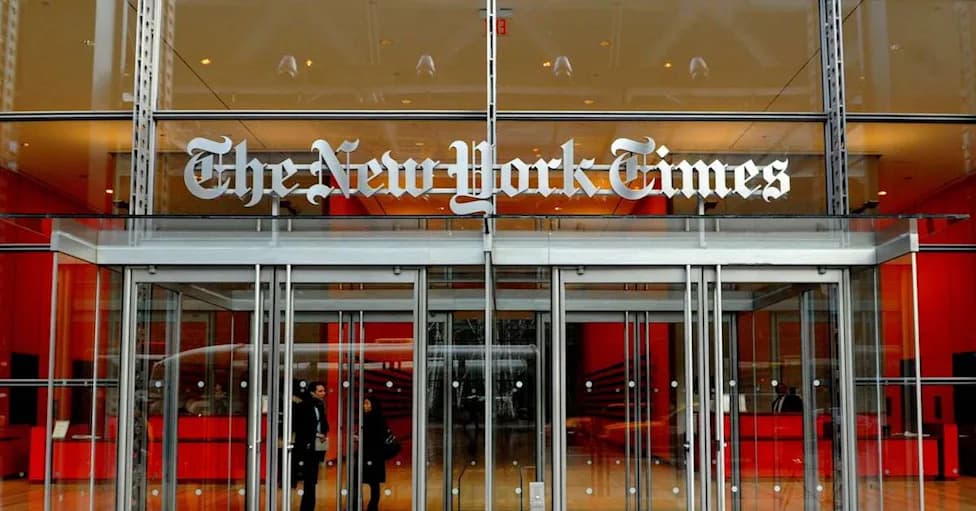
(Photo Credit: Brian Zak/Sipa Press via AP)
A former video‑desk employee at The New York Times has filed a whistleblower complaint and a shareholder derivative suit alleging a systemic "anti‑Israel bias" at the paper that, she says, produced "biased and unreliable" reporting and created a hostile workplace for pro‑Israel staff.
Key Allegations
The anonymous whistleblower, a Jewish woman who worked on the Times' video desk from 2016 until earlier this year, identified at least 15 instances she believes demonstrate an institutional slant against Israel both before and after the October 2023 Hamas attacks. She says Human Resources dismissed her concerns and recommended she find an employer with values more closely aligned to her own.
Who Filed The Suit
The complaint was filed in New York state court by the State Board of Administration of Florida on behalf of Florida's pension system and by the National Center for Public Policy Research. The Free Press was the first outlet to report the filing. The plaintiffs are shareholders of The New York Times Company and seek access to the company's internal books and records under New York's Business Corporation Law.
Examples Cited In The Complaint
The filing lists multiple contested episodes of coverage that the whistleblower says reflect weak editorial controls and factual errors. Highlights cited in the complaint include:
July 2025: A front‑page photograph of an emaciated Gaza child whose caption said the child was "born healthy but was recently diagnosed with severe malnutrition," implying recent wartime causes. The suit contends the paper failed to disclose a preexisting medical condition until an editor's note four days later.
October 17, 2023: A front‑page lead initially attributing the Al‑Ahli Hospital explosion to an Israeli airstrike. The complaint says the story contained multiple errors; an editors' note acknowledging overreliance on Hamas claims did not appear until six days later, after U.S. intelligence publicly attributed the blast to a Palestinian rocket.
November–December 2023: The complaint claims a November 25 article overstated Gaza's civilian death rate and that a December 22 headline incorrectly asserted Gaza deaths were the highest among Arab losses in wars over the past 40 years; both items allegedly remained uncorrected or were altered without clear disclosure.
May (Column by Nick Kristof): A column reporting allegations of widespread sexual violence by Israeli forces — including a highly inflammatory allegation about animal abuse in custody — that the complaint says should have been subject to stricter fact‑checking and editorial scrutiny.
Workplace Claims
The whistleblower alleges the paper's culture produced a hostile environment for pro‑Israel Jewish employees. She says she was asked to delete Slack messages supporting Jewish colleagues while, she claims, staffers who expressed pro‑Palestinian views were not similarly asked to remove messages. She also recorded HR telling her not to escalate bias concerns beyond her desk, and says a supervisor told her it was "not your job to be the ombudsman of The New York Times." The paper eliminated the ombudsman role in 2017.
Legal Basis And Relief Sought
The plaintiffs invoke the inspection rights under New York's Business Corporation Law, seeking an order to access and copy the Times Company's internal books and records. The BCL also allows recovery of costs and attorneys' fees if plaintiffs show that access was denied in bad faith, a claim the complaint advances.
Context And Next Steps
The complaint provides detailed examples and quotations from the whistleblower's allegations. The full lawsuit is available through court records and was first reported by The Free Press. The filing may prompt a discovery process that could reveal internal communications and editorial-review procedures if the court grants the requested inspection rights.
Note: This article summarizes the allegations made in the lawsuit and does not present a response from The New York Times or other parties named in the complaint.
Help us improve.