Rome has created an "enhanced-control" or "red" zone around the Colosseum, Imperial Forums and Colle Oppio after a rise in predatory crime and a July 1 confrontation involving roughly 50 people. The six-page order from Prefect Lamberto Giannini, effective Aug. 24 through Dec. 24, authorises police to remove individuals with certain recent offence reports. Officials said the new Metro C connection and large crowds have complicated security, and related measures were extended near Termini station.
Rome Declares 'Red Zone' Around Colosseum After Violent Clash and Crime Surge
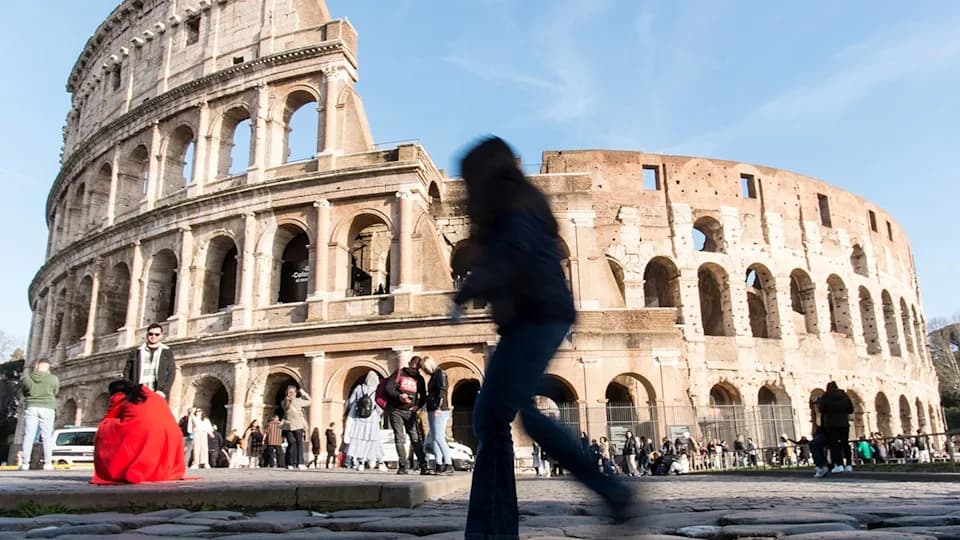
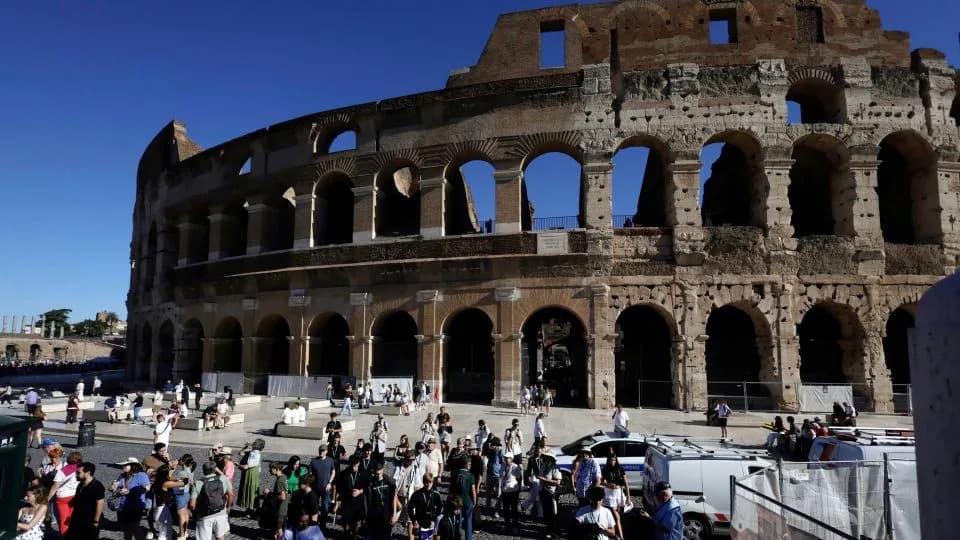
People walk around the Colosseum in Rome.
Rome has established an "enhanced-control" or "red" zone around the Colosseum, the Imperial Forums and Colle Oppio after a rise in predatory crimes, drug dealing and a violent confrontation that turned the historic site into a security flashpoint.
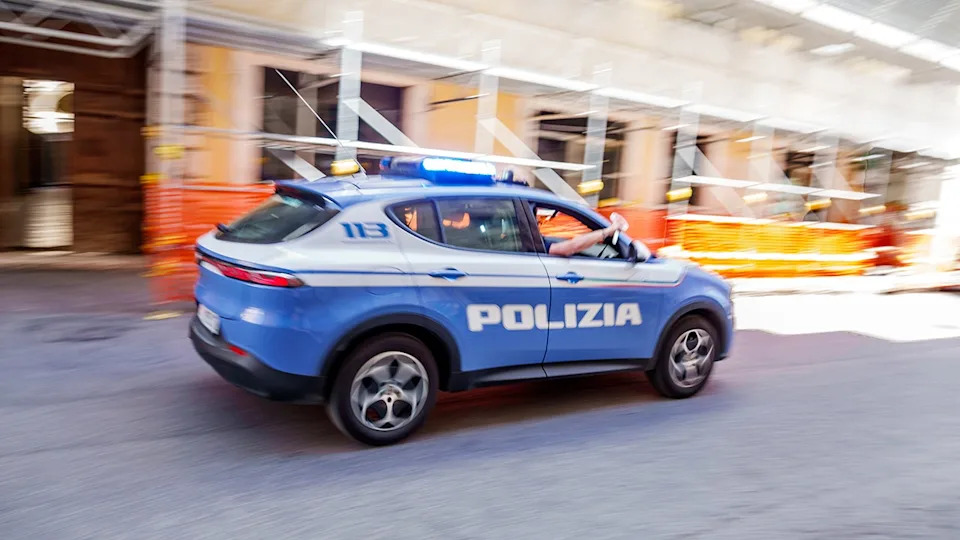
Police are cracking down on crime near the Colosseum in Rome.
What The Order Says
The six-page decree, signed by Prefect Lamberto Giannini, took effect on Aug. 24 and will remain in force for four months, through Dec. 24. It authorises police to remove people from the area whose violent, threatening or persistently disruptive behaviour poses a public-safety risk and who have been reported within the previous five years for specified offences, including intentional crimes against people or property, certain drug and weapons offences, and offences with hate-crime aggravators.
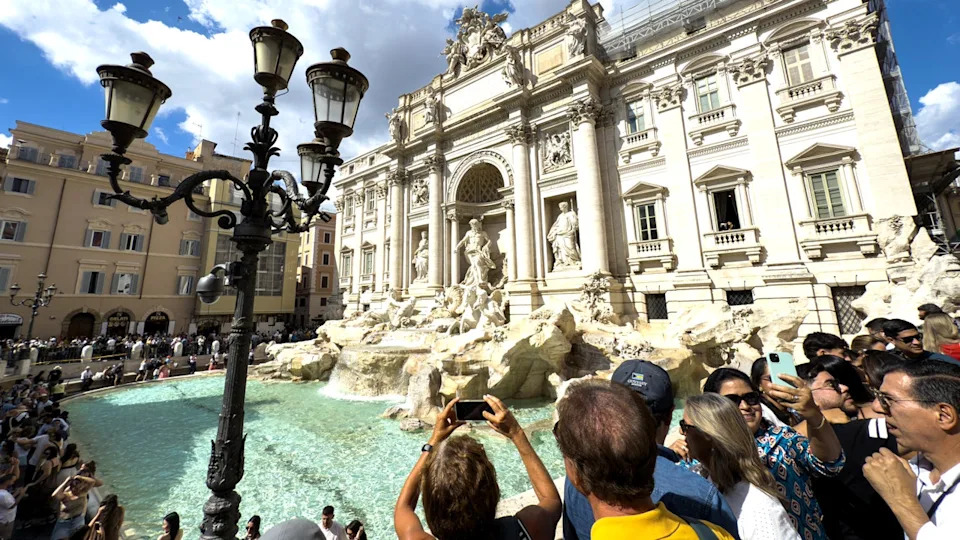
Hundreds of tourists circle Trevi Fountain in Rome.
Incident That Sparked The Measure
Officials say a July 1 incident helped prompt the designation: police responded after fireworks were set off near the Colosseum, and a group of about 50 people—described in the order as "predominantly of non-EU origin"—allegedly resisted officers, damaged police property and surrounded officers, leaving two with minor injuries. The news agency ANSA reported the event as an unauthorised gathering in Piazza del Colosseo.
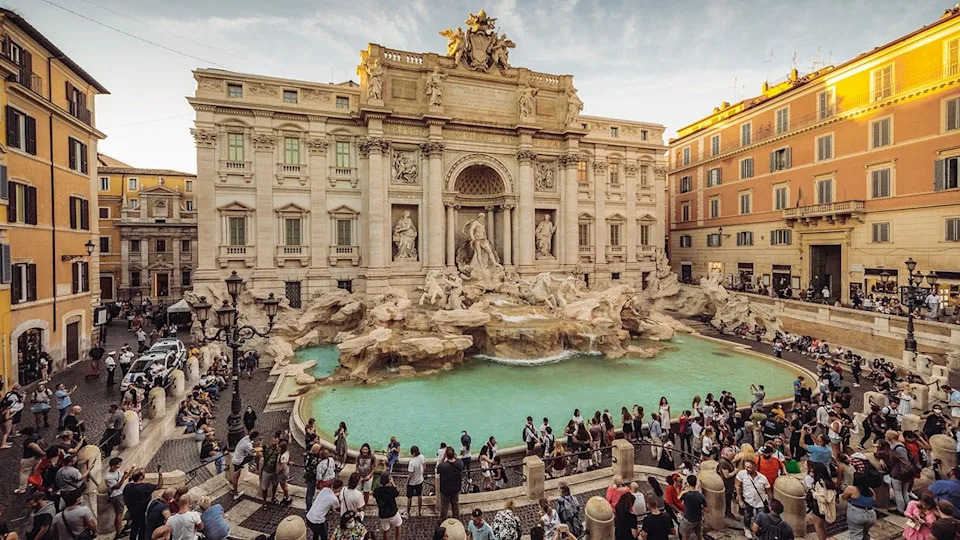
The incident quickly drew outrage online, with many social media users calling the tourist's actions disrespectful.
Areas Covered And Concerns
The enhanced-control zone covers several of central Rome's most recognisable locations, including Piazza Venezia, Via dei Fori Imperiali, Piazza del Colosseo, the Arch of Constantine and Piazza del Campidoglio. Authorities also named Largo Gaetana Agnesi—an overlook above the Colosseo metro station—and Colle Oppio park as recurring problem areas where groups gather and where fireworks have reportedly been used, possibly as a distraction during offences.
Transport Links And Security Challenges
The order notes that the opening of the Metro C station serving the Colosseum has created a direct connection between the historic centre and eastern neighbourhoods, increasing pedestrian flows and complicating security. Officials said ordinary patrols, surveillance systems, fixed security posts and joint "High Impact" operations have had some results but did not fully stop repeated criminal conduct or restore public spaces.
Related Measures
- Authorities extended a separate enhanced-control zone in Esquilino around Termini station and the Basilica of Santa Maria Maggiore, citing demonstrations and a greater number of pilgrims as reasons for continued vigilance.
- An earlier special designation for Valle Aurelia (including Battistini and Cornelia stations) was discontinued after authorities deemed it no longer necessary.
Legal Consequences: The order warns that anyone who violates its provisions could face criminal charges under Italian law.
Rome officials framed the measure as part of a broader effort to protect residents and the steady stream of tourists who visit the Italian capital, citing the complex security context created by major international events, geopolitical tensions and heavy visitor numbers.
Help us improve.