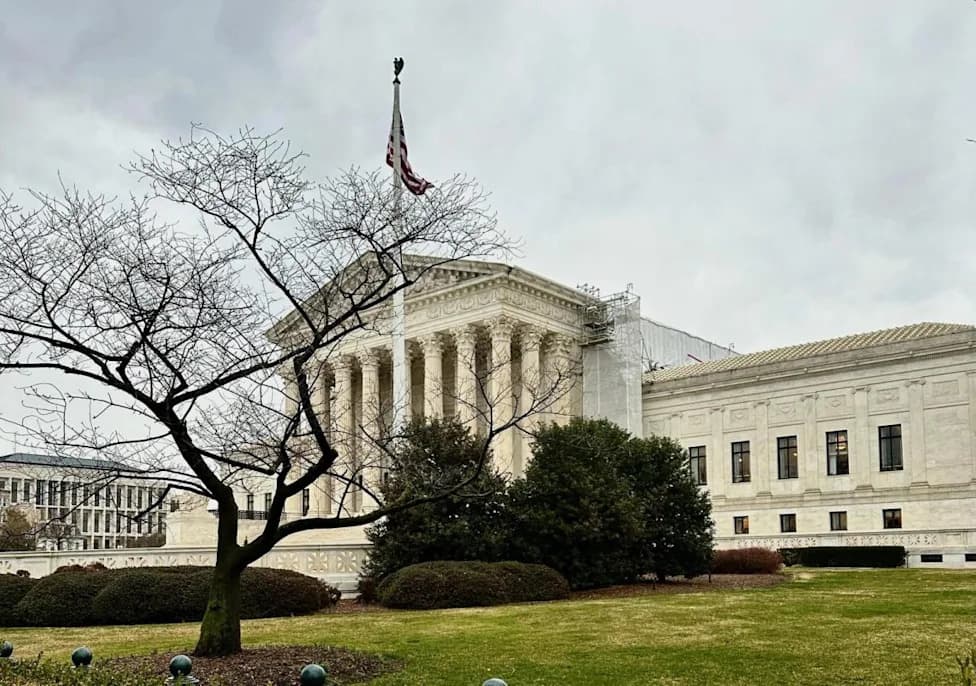
Ken Jouppi, an Alaska bush pilot and Air Force veteran, was arrested in 2012 after a passenger attempted to bring beer into the dry village of Beaver. He was convicted of a misdemeanor, served three days in jail and paid $1,500 (plus $1,500 charged to his company). Alaska sought forfeiture of his Cessna U206D valued at about $95,000; Jouppi argues the forfeiture violates the Eighth Amendment. The U.S. Supreme Court will hear the case later this year, with a decision expected in early 2027.
14-Year Dispute Over Pilot Who Flew Beer To Dry Alaska Village Goes To U.S. Supreme Court
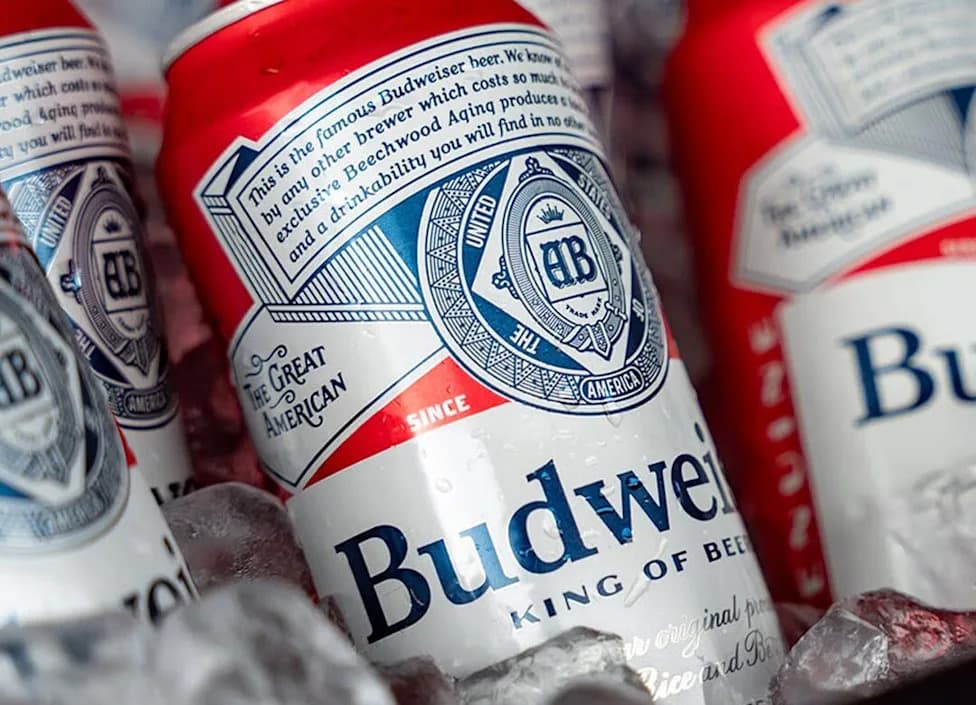
Budweiser/Facebook
A routine arrest of an Alaska bush pilot for attempting to transport beer to a legally dry village has escalated into a constitutional dispute now headed to the United States Supreme Court after nearly 15 years.
Background
On April 3, 2012, Ken Jouppi, a U.S. Air Force veteran and commercial bush pilot, was scheduled to fly a passenger from Fairbanks to the village of Beaver, Alaska. The passenger carried two cases of Budweiser and four additional six-packs concealed inside her luggage; prosecutors later said one six-pack was visible in a grocery bag.
Because Beaver is a "dry village" where bringing in or selling alcohol is prohibited, Jouppi was arrested before takeoff and ultimately convicted of a misdemeanor. He served three days in jail and paid the statutory minimum fine of $1,500; his company was also assessed an additional $1,500 penalty.
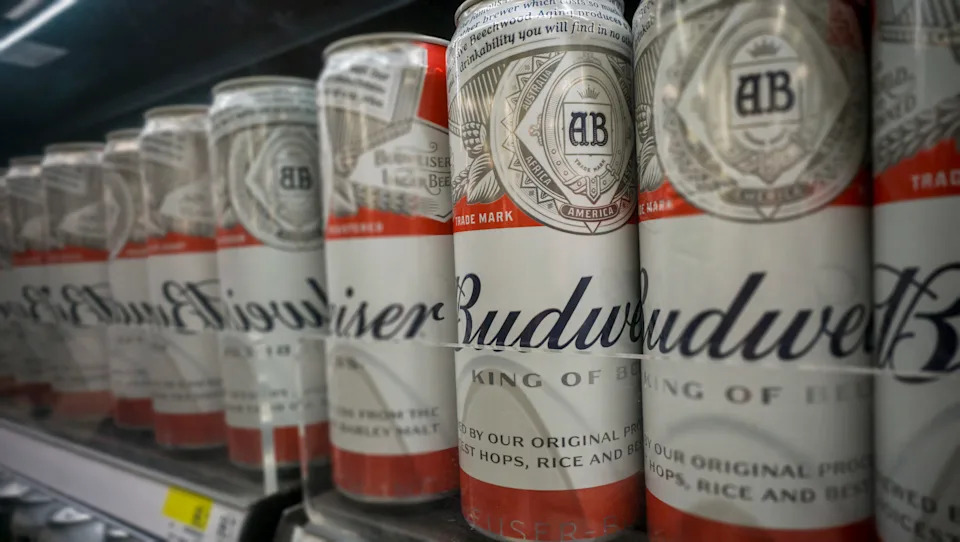
Richard B. Levine/Newscom/The Mega Agency
Legal Battle and Stakes
Alaska law allows forfeiture of vehicles used in some offenses, and authorities sought forfeiture of Jouppi's aircraft, a Cessna U206D valued at roughly $95,000. For the past 14 years Jouppi has argued that forfeiting the plane would amount to an excessive punishment in violation of the Eighth Amendment's protection against excessive fines. His petition even cites the historic roots of protection against disproportionate penalties, tracing the idea back to the Magna Carta.
Jouppi's petition notes that the plane's value far exceeds the fines imposed and contends the loss would jeopardize his livelihood.
In its filings, Alaska has argued the aircraft's value is "only 9.5 times the maximum fine" under certain statutory calculations, while Jouppi's filings point out the plane is more than 60 times the actual $1,500 fine he paid.
What's Next
The U.S. Supreme Court agreed to hear the case; oral arguments are scheduled for later this year, and a decision is expected in early 2027. The Cato Institute filed a brief arguing the Alaska Supreme Court erred by failing to weigh the seriousness of Jouppi's conduct against the severe impact forfeiture would have on his livelihood.
The outcome will determine whether the Eighth Amendment bars such a large-forfeiture penalty in a misdemeanor case and could shape the bounds of civil forfeiture and excessive-fines jurisprudence nationwide.
Help us improve.