Palestinians in the occupied West Bank increasingly rely on WhatsApp, Telegram and Basma FM for immediate updates about checkpoints, road closures and settler attacks. Basma FM — which began on 2 October 2023 — now broadcasts traffic and safety bulletins three times an hour and verifies reports with a seven-person team. Movement restrictions have intensified since October 2023: UN OCHA recorded 925 barriers by December 2025, and human rights group B'Tselem says closures are fragmenting Palestinian life.
On High Alert: Palestinians Turn to Radio and Messaging Apps for Live Checkpoint and Settler-Attack Alerts
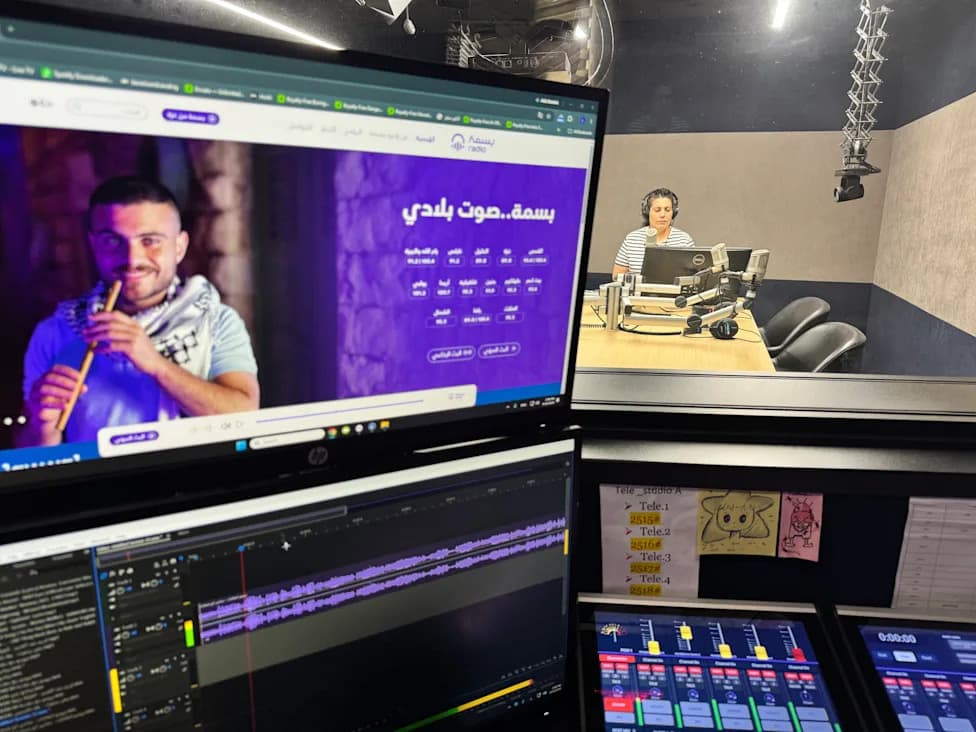
The Palestinian radio station Basma FM provides regular updates on traffic delays in the West Bank caused by Israeli restrictions or attacks [Nida Ibrahim/Al Jazeera]
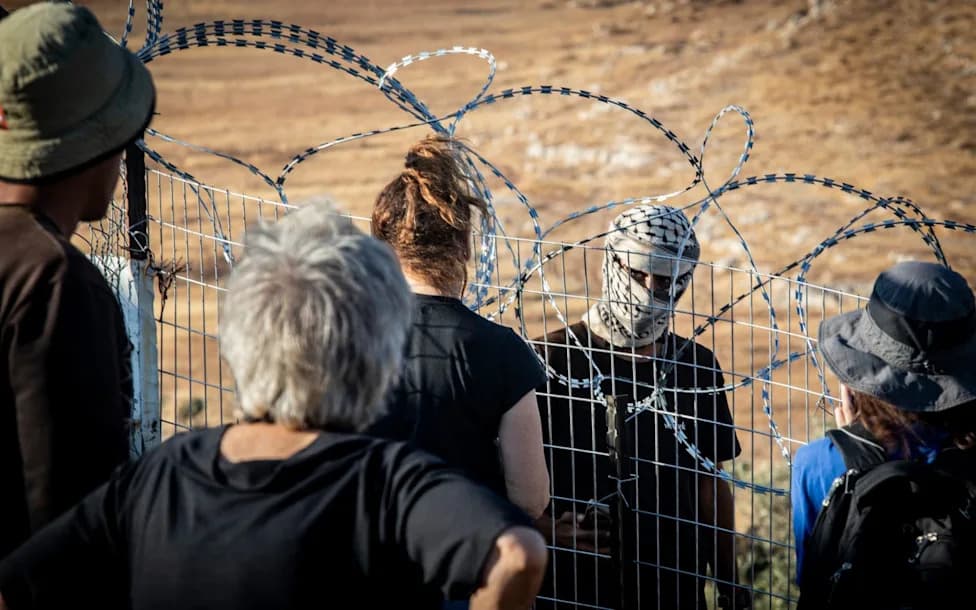
Palestinians in the occupied West Bank face unpredictable and often dangerous journeys as military checkpoints, road closures and settler attacks disrupt travel. Many now rely on a combination of community messaging channels and a local radio station to get second-by-second updates before they drive.
How People Track Road Conditions
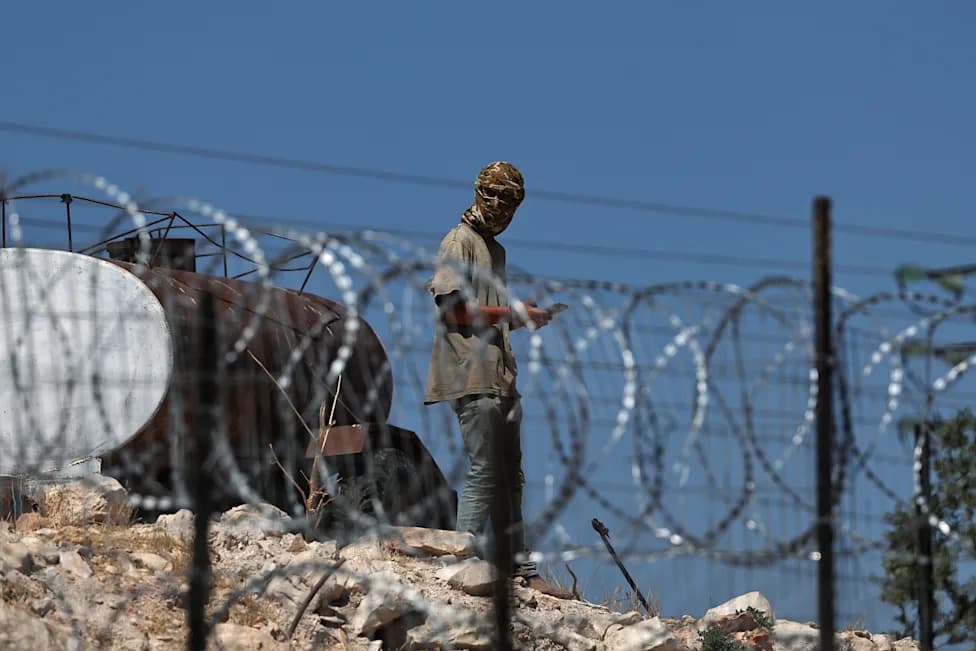
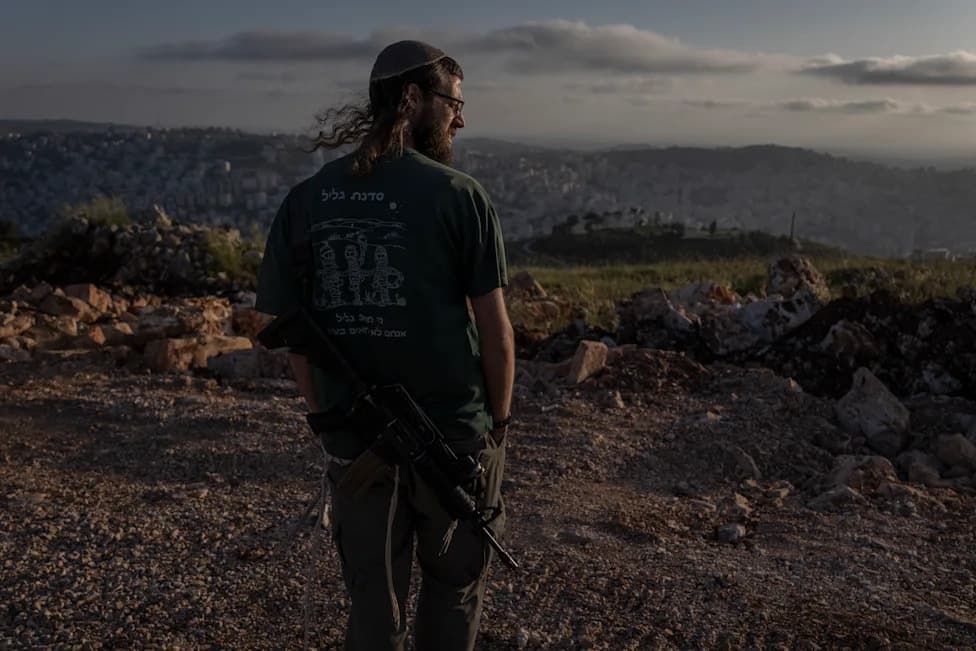
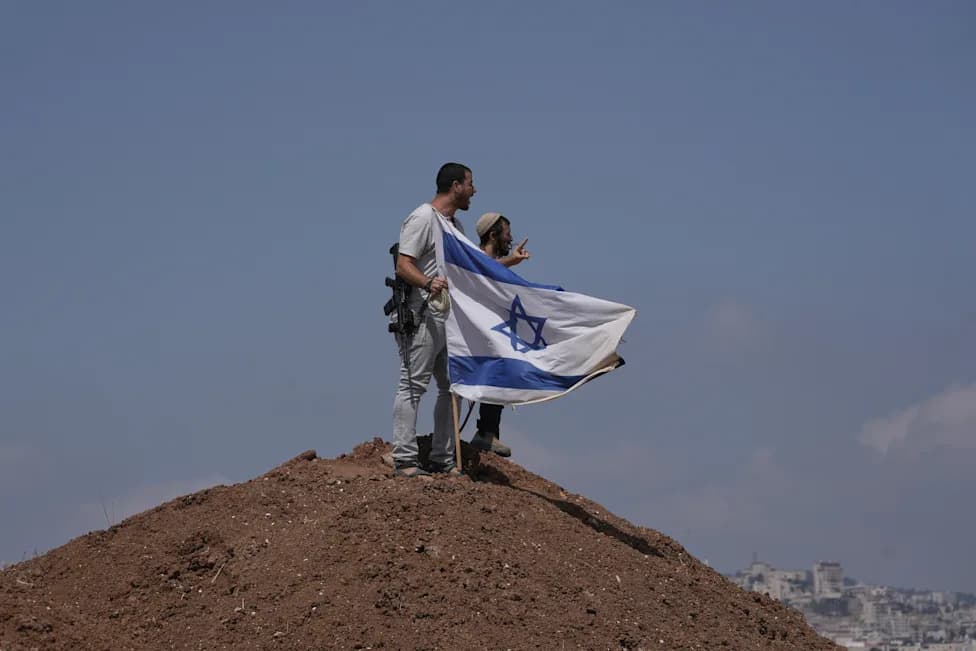
Before setting off, drivers check dedicated WhatsApp and Telegram groups where users post live reports about checkpoint openings, road closures and incidents involving Israeli settlers. Posts sometimes include map pins to warn motorists of nearby raids by Israeli forces or violent confrontations.
Basma FM: From Culture Station To Lifesaving Alerts
Basma FM, based in Rawabi near Ramallah, began broadcasting on 2 October 2023 with a cultural and entertainment focus aimed at younger audiences. Within days of the 7 October 2023 Hamas-led attack on Israel and the subsequent war in Gaza, the station shifted priorities.
The station now airs traffic and safety bulletins three times an hour. Its news and traffic team, led by Fatima Barqawi, has seven staff who verify reports from sources on the ground and update listeners about the status of checkpoints and roadblocks. As Barqawi put it, "The situation changes by the second — a checkpoint can be closed one minute and reopened the next."
Danger on the Road
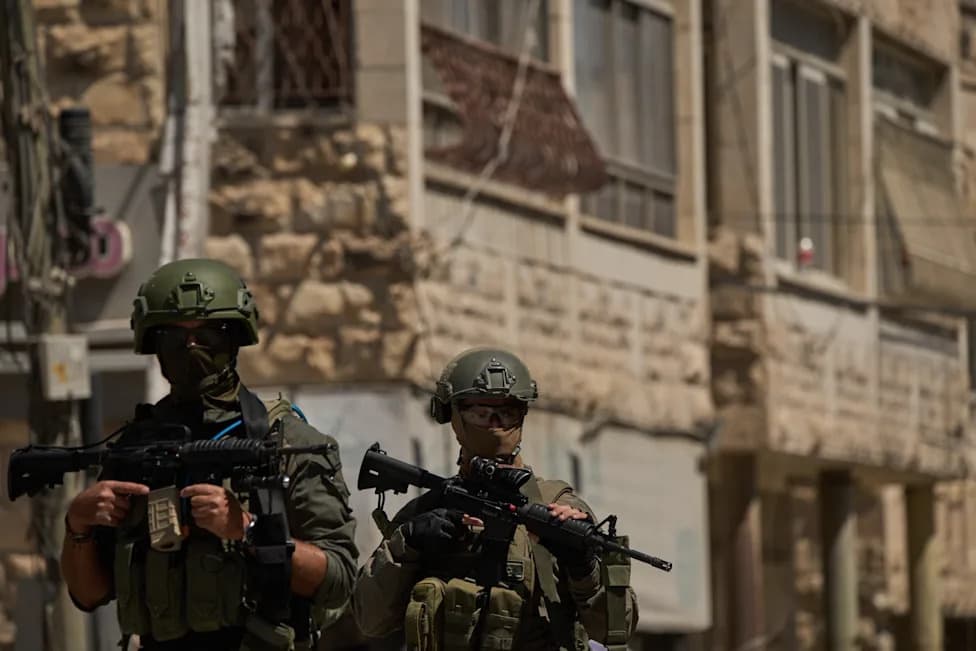
For Palestinians, travel through the West Bank can be hazardous. Palestinian vehicles use white licence plates, which can make them easy to identify compared with the yellow-plated cars driven by Israeli settlers. Drivers report attacks, blockades and humiliating treatment at checkpoints; there have also been incidents in which soldiers alleged ramming attacks and opened fire.
A young woman who asked not to be named told Al Jazeera she no longer drives with the radio blaring: "I used to blast my music; now I'm on high alert, always on edge." She recounted an episode in Hebron in which soldiers assaulted her fiancé over an alleged checkpoint breach, and a later encounter in which a soldier aimed a rifle and a green laser at her.
Infrastructure, Isolation And Reports
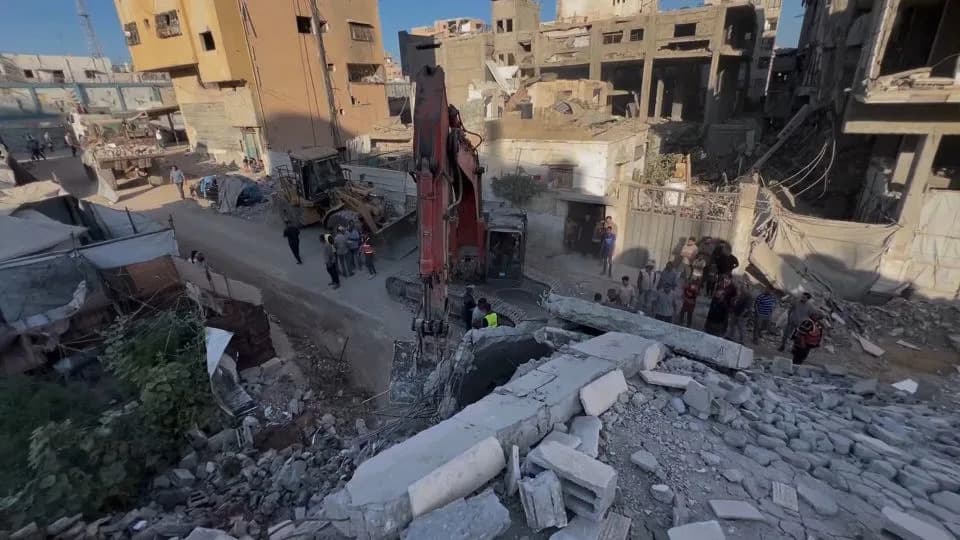
Large highway projects that connect settlements to each other and to Israel have further isolated Palestinian communities, forcing many drivers onto rougher, more dangerous routes to avoid checkpoints and settler-controlled roads. According to the UN Office for the Coordination of Humanitarian Affairs (OCHA), as of December 2025 there were 925 barriers across the occupied West Bank, including East Jerusalem — a 43% rise over the 20-year annual average of 647.
Human rights groups have criticized these measures. An Israeli group, B'Tselem, published a report titled The Elimination Project, arguing that road closures and checkpoints are part of a broader campaign that fragments Palestinian life and restricts access to work, education and healthcare.
Real-Time Reporting In Practice
On a recent Wednesday bulletin, presenter Heba Erkat listed updates for 61 checkpoints across the West Bank; only 12 were closed or had long queues that day. Erkat noted at the end of the segment: "The situation changes by the minute." For many Palestinians, these updates are not mere convenience — they are essential for safety and the ability to carry out everyday life.
Key Sources: Interviews with Basma FM staff; statements from listeners; UN OCHA barrier data (December 2025); B'Tselem, The Elimination Project.
Help us improve.