International condemnation has not ended a weeklong siege by Israeli settlers on three Palestinian households in Qusra, where 15 people remain trapped and basic services were briefly cut off. Similar tactics have appeared elsewhere in the West Bank, and activists say soldiers sometimes stand aside or even assist. In Gaza, strikes resumed at a lower pace; the humanitarian situation is worsening with mass rubble removal, failing oxygen supplies and collapsing cancer care. The developments intensify tensions between US push for a ceasefire-linked withdrawal and hardline calls for intensified Israeli action.
West Bank Sieges Persist Despite International Condemnation as Gaza Humanitarian Crisis Deepens
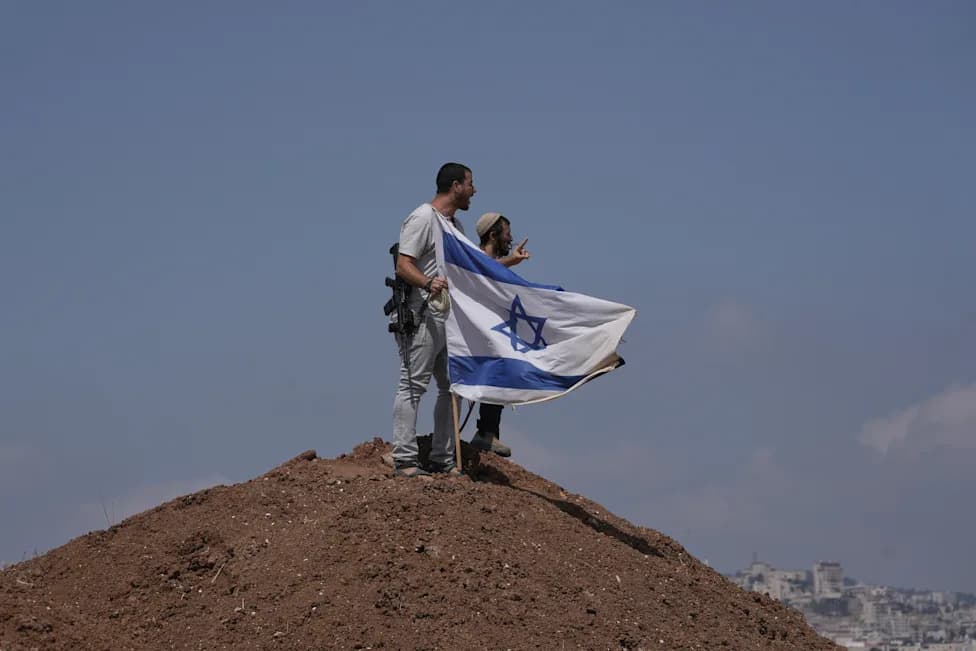
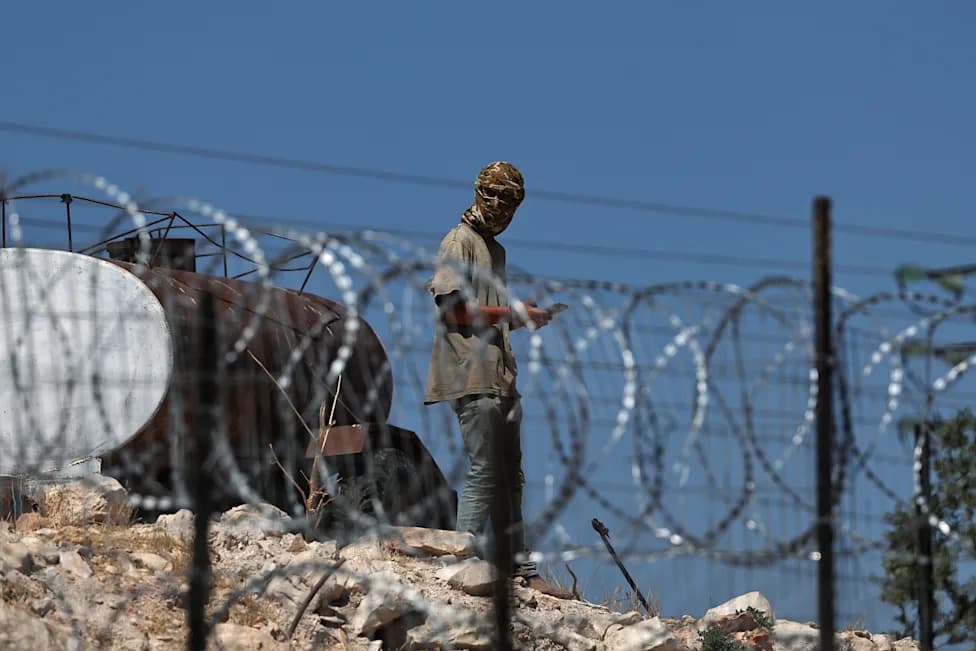
Israeli settlers put up an Israeli flag on a hilltop on the outskirts of the occupied West Bank city of Beit Sahour, on August 14, 2026 [Mahmoud Illean/AP Photo]
For more than a week, Israeli settlers have besieged three Palestinian households in Qusra, south of Nablus in the occupied West Bank, cutting residents off from food, medical access and other essential services. One of the homes belongs to a Palestinian-American, a fact that pushed the episode onto front pages and increased international attention.
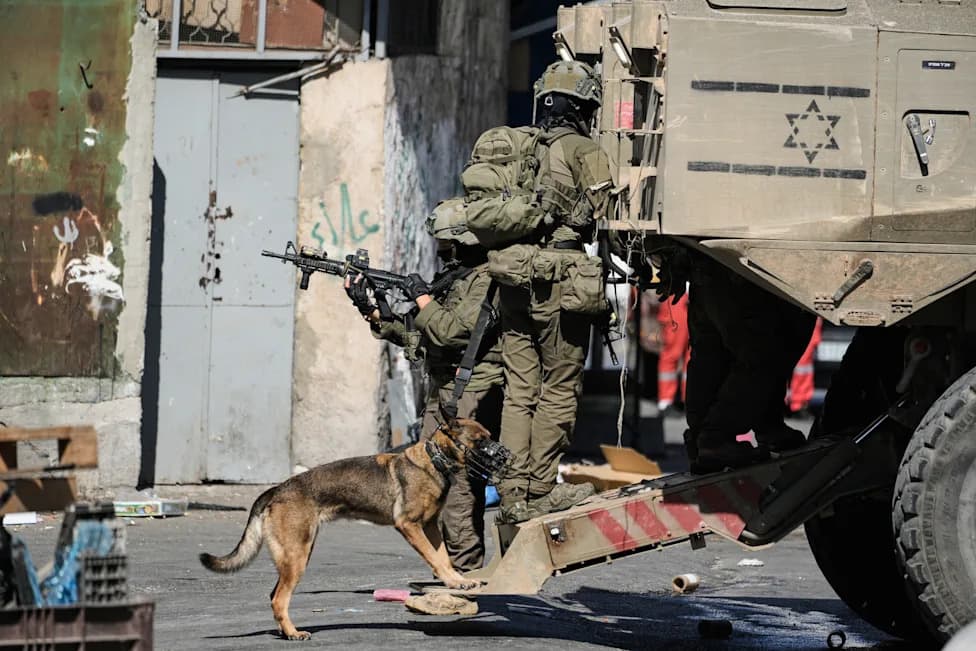
Reports say that on August 13 Israeli forces ordered the families to evacuate, announcing plans to seize the properties "to protect" occupants, and subsequently converted 16 homes in Qusra into military barracks. Soldiers entered the town that day. During a later overnight operation to dismantle nearby outpost structures, an Israeli suspect was briefly detained, but no wider arrests of settlers have been reported. Amnesty International’s Erika Guevara Rosas described the siege as part of "an accelerating and well-documented pattern of coordinated and strategic settler terror, enabled, backed and funded by the State of Israel."
After a second week of the closure, 15 Palestinians — including two children — remain confined to their homes. Authorities briefly removed a settlers' tent only to erect a military tent in the same location, effectively maintaining the closure; municipal crews later restored electricity and water, but the families say they have been told not to leave their houses. UN Special Rapporteur Francesca Albanese told Al Jazeera the Qusra siege represented the "climax" of what she called decades of impunity, arguing that Israeli officials often appear to collaborate with settlers rather than restrain them.
Despite diplomatic rebukes from the United Nations, France, Spain, the United Kingdom and reported pressure from the White House on Prime Minister Benjamin Netanyahu, similar incidents have continued. On August 16, in Beit Imrin — a village nominally under full Palestinian civil and security control — settlers besieged a home for more than three hours, preventing residents and ambulances from reaching those inside. Israeli forces then entered the house, arrested all nine people inside, and withdrew. Soldiers reportedly blocked Palestine Red Crescent teams from the area and confiscated ambulance keys.
Observers note a worrying pattern: where the conventional legal mechanisms used to dispossess Palestinians in Area C are less applicable — in areas under nominal Palestinian authority — settlers are increasingly adopting tactics that mimic sieges: pitching tents beside homes, cutting off water, power and supplies, and relying on the military presence to avoid removal. On August 16 settlers also established a new outpost near Umm Safa, which Wafa reported brings the number of outposts surrounding Umm Safa and neighbouring Burqa to six.
Meanwhile, Israeli authorities continued demolitions elsewhere in the occupied territories. Activists shared images and videos showing demolitions in Qalandiya (north of Jerusalem), Masara (south of Bethlehem) and Silwan (East Jerusalem). The Colonization and Wall Resistance Commission told Wafa that Israeli authorities carried out 80 demolitions in July alone, affecting 165 structures and issuing 34 further notices. Local accounts also say Sami Abu Rahma was compelled to demolish his own farm in al-Mughayyir days after his son was shot by settlers working the same land.
In Gaza, strikes resumed this week at a lower tempo than in earlier weeks, renewing fears even as international diplomacy pushes for a ceasefire-linked withdrawal. On August 12, an airstrike on a motorised rickshaw in Beit Lahiyah killed municipal worker Mohanad Saada, who had been repairing a war-damaged well. On August 13 a drone strike on a vehicle in Gaza City killed Colonel Jamal Abu Kamil, the city’s civil police chief; Israeli forces said they targeted a Hamas commander, a claim denied by Gaza’s police and Interior Ministry.
Humanitarian indicators in Gaza remain dire. A report from the Euro-Med Human Rights Monitor found more than 10 million tonnes of rubble have been removed and trucked out of the Strip, a process the group warns may erase property boundaries and risk destroying evidence relevant to the International Court of Justice case. Gaza’s Ministry of Health reported on August 15 that only 12 of the Strip’s 34 oxygen-generating stations remained functional and that no spare parts were entering the territory. Doctors warn cancer patients are dying at two to three times the pre-war rate after the destruction of Gaza’s only specialised cancer hospital.
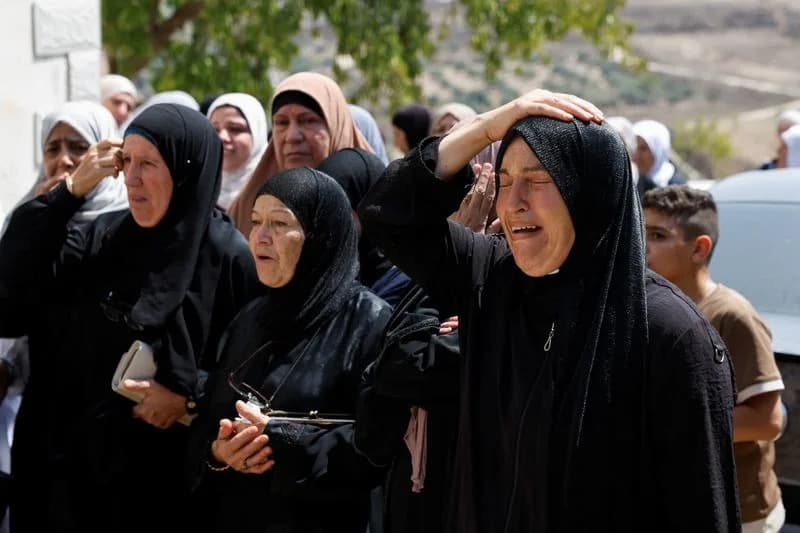
The Palestine Red Crescent recovered additional bodies under rubble in Khan Younis and the body of 14-year-old Suhail Masoud Shalouf, who was shot near the so-called "Yellow Line" on August 15 in an area rescuers could not reach. By August 17, Gaza’s Ministry of Health reported 1,265 Palestinians killed since the October "ceasefire" and a cumulative total of 73,399 dead since October 7, 2023.
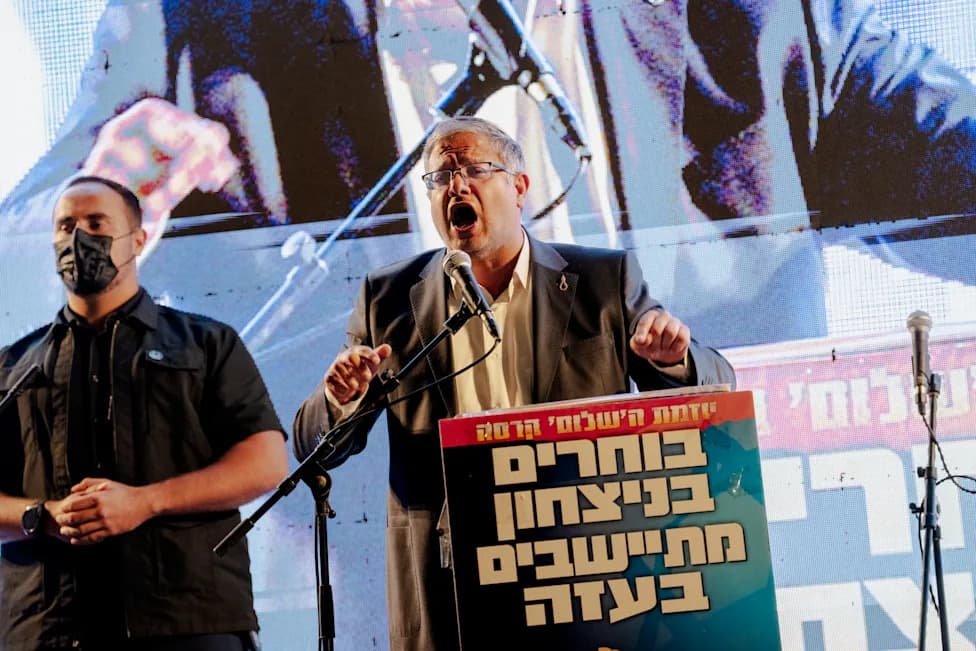
Context and Stakes. The week’s developments highlight a widening pattern of settler encroachment and local military responses that critics say enable dispossession, while in Gaza the combination of renewed strikes and collapsing services deepens a humanitarian emergency and raises legal and diplomatic questions about accountability and evidence preservation.
Help us improve.