North Carolina officials say a man-made water feature at El Futuro in Durham County is the likely source of a rare Naegleria fowleri infection that killed a teenager. The feature was closed on Aug. 28 after environmental samples and CDC testing detected the amoeba. The teen was hospitalized Aug. 22, the infection was confirmed Aug. 26, and the teen died Aug. 31. Naegleria fowleri causes primary amebic meningoencephalitis (PAM), a nearly always fatal disease that occurs when contaminated water enters the nose.
CDC: Durham Water Feature Likely Source Of Teen’s Fatal 'Brain‑Eating' Amoeba Infection
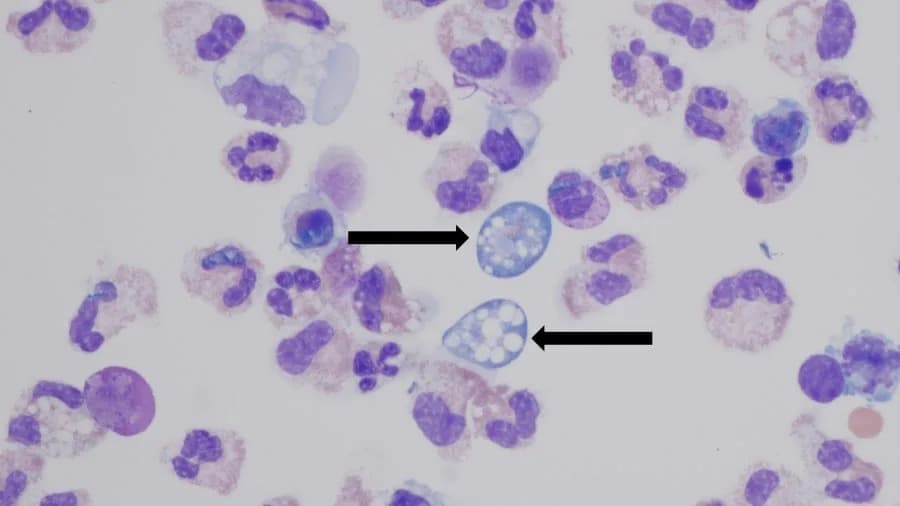
North Carolina health officials say a man-made water feature at El Futuro in Durham County is the most likely source of a rare and fatal Naegleria fowleri infection that killed a teenager last month.
Investigation Findings
The North Carolina Department of Health and Human Services reported that investigators could not definitively identify the exact location of exposure, but evidence points to the water feature at the El Futuro facility. The Durham County Department of Public Health closed the feature on Aug. 28 after environmental samples tested positive for Naegleria fowleri; the Centers for Disease Control and Prevention subsequently confirmed the amoeba's presence in laboratory testing.
Environmental Concerns Noted
Officials cited inadequate disinfection, visible algae growth and the laboratory detection of Naegleria fowleri in samples taken from the feature. Based on the teen’s reported contact with the installation during the exposure window and the environmental findings, health authorities judged the water feature the most likely source.
Timeline
The teen was hospitalized on Aug. 22 after developing headaches and worsening symptoms. Laboratory testing confirmed a Naegleria fowleri infection on Aug. 26. The teen died on Aug. 31. Investigators also reviewed other possible exposure sites, including a nearby apartment-complex pool in Orange County; both locations were closed while samples were collected and analyzed.
About Naegleria fowleri and PAM
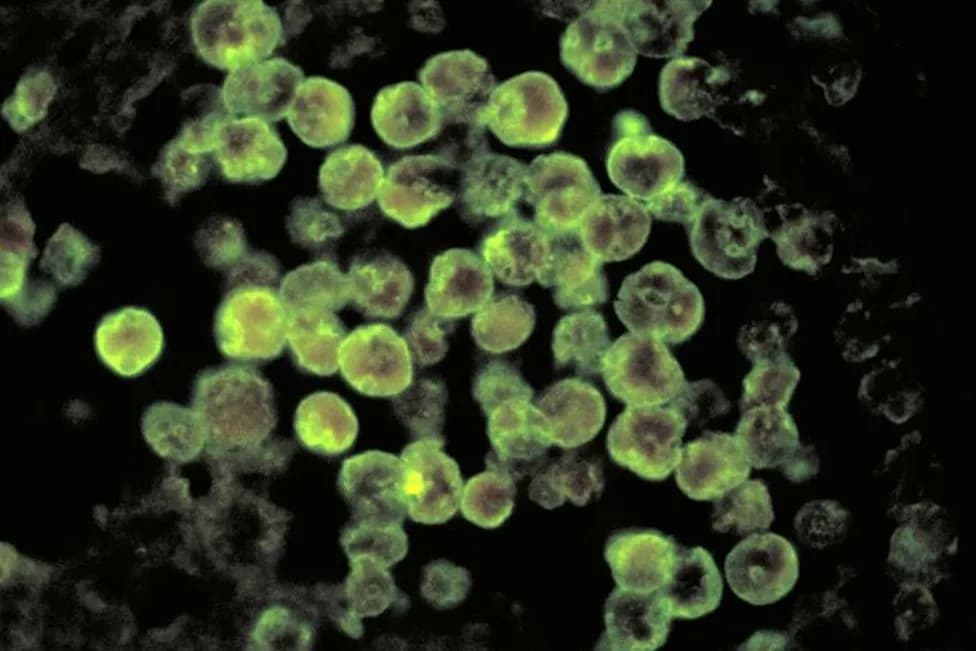
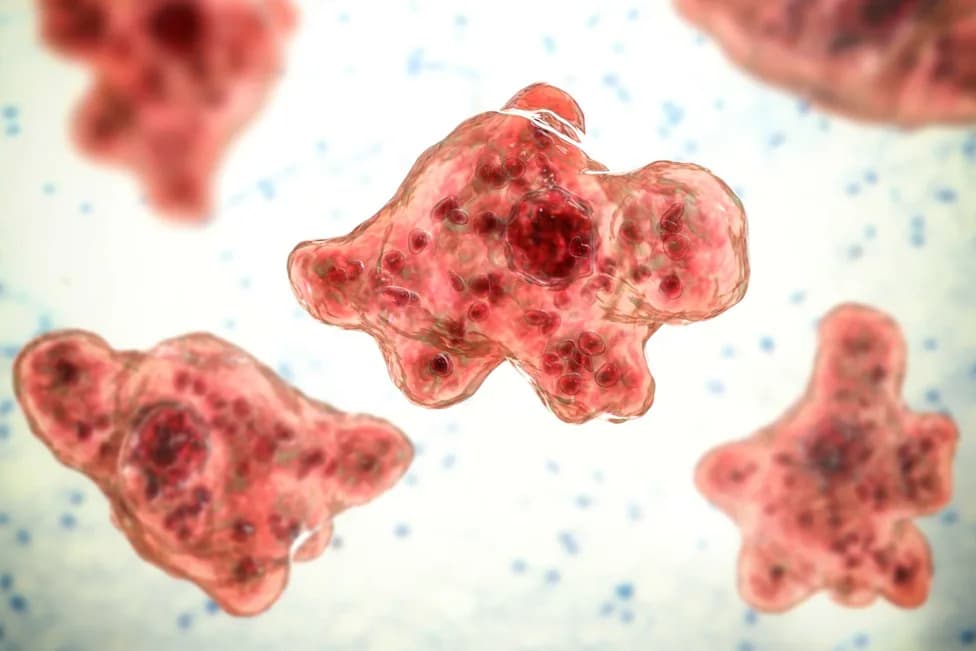
Naegleria fowleri is a microscopic amoeba that naturally occurs in warm freshwater and soil. It is commonly known as the "brain-eating amoeba" because, in extremely rare cases, it can enter the body through the nose and travel to the brain, causing primary amebic meningoencephalitis (PAM). PAM destroys brain tissue and is almost always fatal.
Infection does not occur from swallowing contaminated water, and Naegleria fowleri does not spread from person to person. Infection happens when contaminated water is forced up the nose.
Symptoms and Progression
Early symptoms can include severe headache, fever, nausea and vomiting. As the disease progresses, symptoms may include a stiff neck, confusion, seizures and coma. Symptoms typically begin about five days after exposure but can appear anywhere from one to 12 days afterward; once symptoms begin, illness can progress rapidly, and death often follows within about five days.
Frequency and Outcomes
Infections are extremely rare. CDC data show 180 reported U.S. cases of PAM from 1937 through 2025, with annual counts ranging from zero to eight cases. Of the 167 cases reported between 1962 and 2024, only four people survived.
Prevention and Public Health Response
Health officials remind the public that the primary risk comes when warm freshwater is forced up the nose. Preventive measures recommended by health authorities include avoiding swimming or wading in warm, untreated freshwater (especially during periods of high temperature), using nose clips or holding the nose shut when in such water, and ensuring that decorative or recreational water features are properly disinfected and maintained. The Durham water feature remains closed while officials address the environmental concerns and remediation.
Copyright 2026 Nexstar Media, Inc. All rights reserved.
Help us improve.