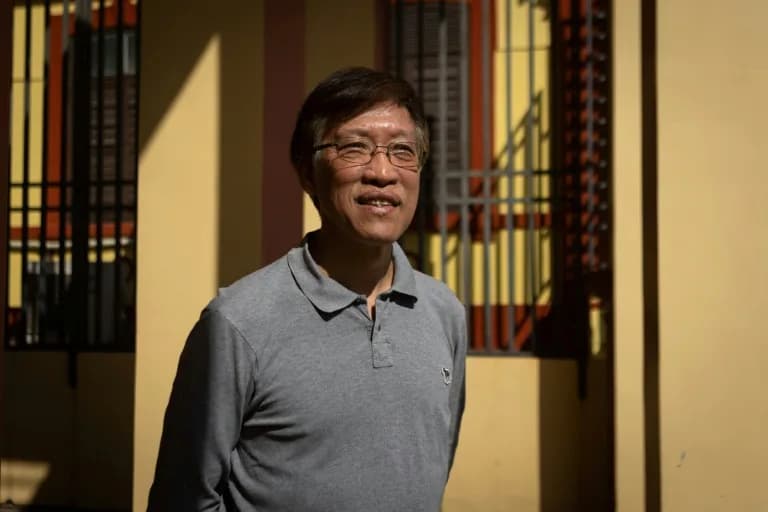
Macau began its first closed‑door trial under expanded national security laws on Wednesday, prosecuting former legislator Au Kam San on charges of "subversion of state power." Au, 69, was detained in July 2025 and is the first person arrested under the territory's revised security legislation.
Key Details
Authorities have disclosed few specifics about the allegations. Prosecutors say Au built ties with foreign groups and media outlets that allegedly endanger China, while his legal team and advocates maintain the case stems from peaceful political activity, meetings with the Office of the European Union to Hong Kong and Macau, and his role organising annual vigils commemorating victims of the 1989 Tiananmen Square crackdown.
Court Proceedings And Reaction
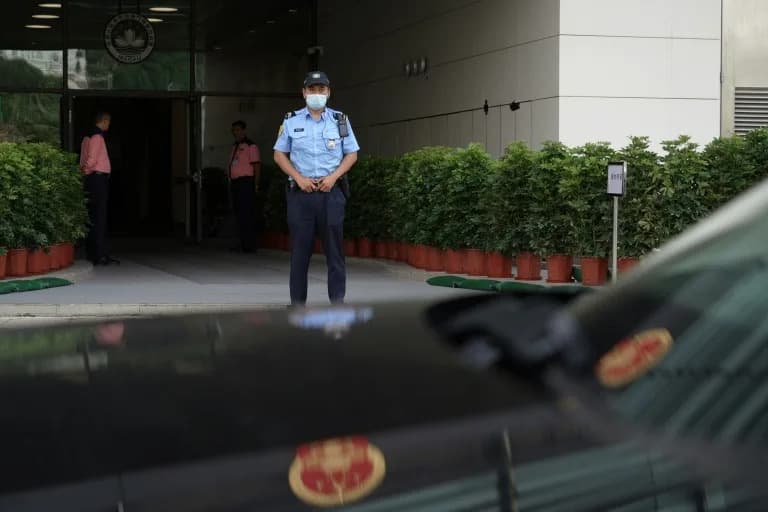
A judge last week ordered the trial to be held behind closed doors, saying the move was necessary to "ensure that national security interests are not compromised." An AFP reporter outside the courthouse had their details recorded by police, and vans were seen arriving at the site, though officials did not confirm whether the hearing had begun.
Defense view: Michael Polak, a London‑based barrister representing Au, called private proceedings a "sham process." Polak's advocacy group said prosecutors' allegations appear to arise from Au's peaceful political activity and his belief in democracy.
Wider Context
Macau expanded the reach of its national security laws in May 2023, and a bill passed earlier this year authorised judges to hear national security cases in private. Last year, authorities reportedly seized pro‑democracy books and material relating to the 1989 Tiananmen crackdown from Au's home. Au's family told reporters they had been unable for months to contact him or his court‑appointed lawyer.
The European Union condemned Au's arrest, saying it deepens concerns about an "erosion of political pluralism" in the territory. Under Macau's security law, offences of subversion carry a maximum sentence of up to 25 years in prison.
The closed trial marks a pivotal moment in how Macau applies its expanded national security measures and has attracted international scrutiny as questions linger over transparency and due process.