Realistic AI-generated images are complicating online cattle sales, leading Texas and Alabama agriculture departments to warn buyers that a single photo can no longer verify an animal or seller. Officials cite visual clues—distorted ears, repeated animals, warped backgrounds—and urge buyers to demand live video, multiple recent photos and independent inspections. Verify contact details, request references and use secure payment methods; reputation and repeat business remain critical safeguards.
AI Cattle Photos Are Tricking Buyers — How To Spot Scams And Protect Your Purchase
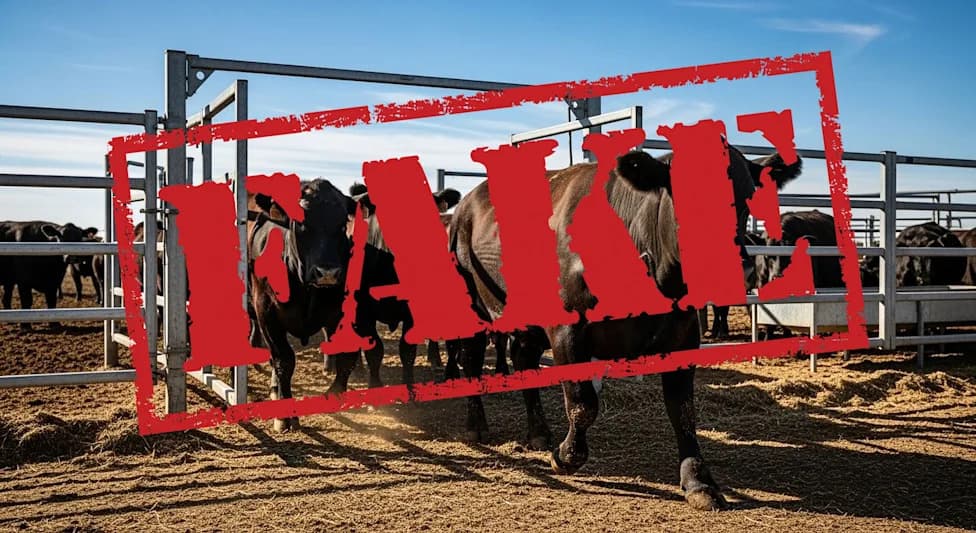
This image was generated using artificial intelligence. (Image via Shutterstock AI)
Artificial intelligence is enabling increasingly convincing, computer-generated cattle photos to appear in fraudulent online listings, prompting alerts from the Texas and Alabama departments of agriculture. Officials warn that a single image can no longer be relied on to confirm an animal's existence or a seller's legitimacy.
State Warnings And Real Losses
The Texas Department of Agriculture cautions buyers against relying on photos alone when purchasing livestock through social media and online marketplaces. Commissioner Sid Miller told Corpus Christi-based KIII 3NEWS that at least one producer was defrauded of roughly $70,000 in an online cattle scam.
"One scam, they got away with, you know, about $70,000 from one of our producers," Miller said. "Be very cautious. The quick dollar gets, it kind of clouds people's vision sometimes. And we see that easy money, and it's very easy for us to get scammed."
Earlier this month the Alabama Department of Agriculture and Industries issued a similar alert after finding fake social profiles and fraudulent livestock listings. Alabama Commissioner Rick Pate urged buyers and producers to verify transactions before sending payment.
"Producers and buyers must remain diligent, verify who they are doing business with and take the necessary steps to ensure transactions are legitimate before purchasing," Pate said.
How To Spot Potentially AI-Generated Or Altered Photos
- Inspect ears, eyes and tails for unnatural shapes, blurring or mismatched details.
- Look for distorted or missing brands, ear tags and other identifying marks.
- Watch for repeated or identical animals within the same image — a sign of copy-paste or generative errors.
- Check backgrounds for warped fences, inconsistent lighting, odd shadows or blurry scenery.
- Notice anatomical anomalies such as misshapen bodies, uneven legs, distorted faces, or irregular nostrils and ears.
- Be wary of images that look unusually "perfect" or overly polished; generative images can appear too clean or synthetic.
Red Flags Beyond The Photo
Photos are not the only test. Sellers who refuse to provide additional recent photos, current video, or participate in a live video call should be treated with suspicion. Other warning signs include unverifiable contact information, no references, pressure to pay quickly, or requests for untraceable payment methods.
Practical Steps To Verify A Remote Purchase
- Request multiple recent photos from different angles and ask for a short live video or video call showing the animal and the farm surroundings.
- Verify the seller's phone number, email and social profiles; call references and check for an established business reputation.
- Arrange an independent inspection: have a trusted local buyer, agent, veterinarian, or fellow producer inspect the animal in person before payment or transport.
- Use secure, traceable payment methods and avoid wiring money or using payment services that offer no recourse.
- When possible, prioritize sellers with repeat customers and a verifiable track record.
Coastal Bend rancher Scott Frazier, who has more than 40 years in the cattle business, said he buys online but relies on trusted contacts to inspect animals. "I didn't see him in person, I saw some videos of him. And I had a guy that we've known for years and years look at him... So we pulled the trigger and so far it's working out," Frazier told 3NEWS.
The Texas Department of Agriculture's closing advice is straightforward: research the seller, request additional evidence, verify livestock independently when possible, and don't send money simply because a photograph looks convincing. If a deal looks too good to be true, it probably is.
Help us improve.